2026 Best Pul Fabric Options for Fashion and Home Decor Choices?
When it comes to versatile textiles, Pul Fabric stands out as a top choice for fashion and home decor. This unique material combines durability with aesthetic appeal. Designers and homeowners alike appreciate its flexibility in various applications. Whether you’re creating stylish garments or reimagining a living space, Pul Fabric offers endless possibilities.
Fashion trends in 2026 reflect a growing interest in sustainable and innovative materials. Pul Fabric, known for its vibrant colors and textures, fits perfectly into this narrative. It’s not just about looks; it’s also about functionality. However, as with any fabric, there are considerations to keep in mind. Understanding the properties of Pul Fabric will help you make informed choices.
The journey of incorporating Pul Fabric into your designs may not always be smooth. Sometimes the fabric’s qualities may not align with your vision. Trial and error can lead to unexpected outcomes, but that’s part of the creative process. Embrace these challenges as opportunities to innovate and refine your style. Exploring Pul Fabric can be a rewarding experience, enriching both fashion and home decor selections.
Overview of Pul Fabric and Its Significance in Fashion and Home Decor
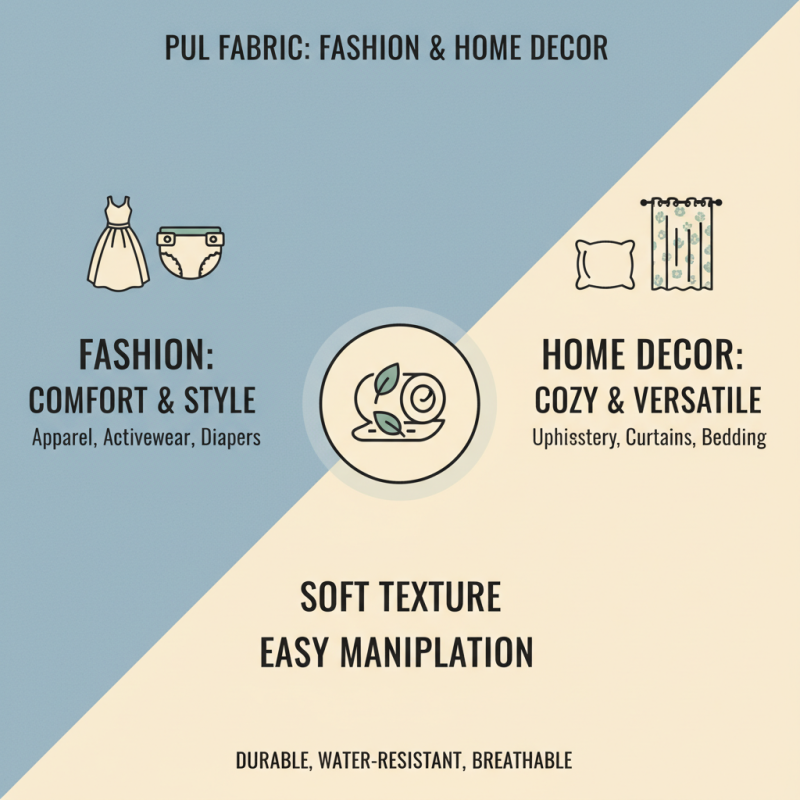
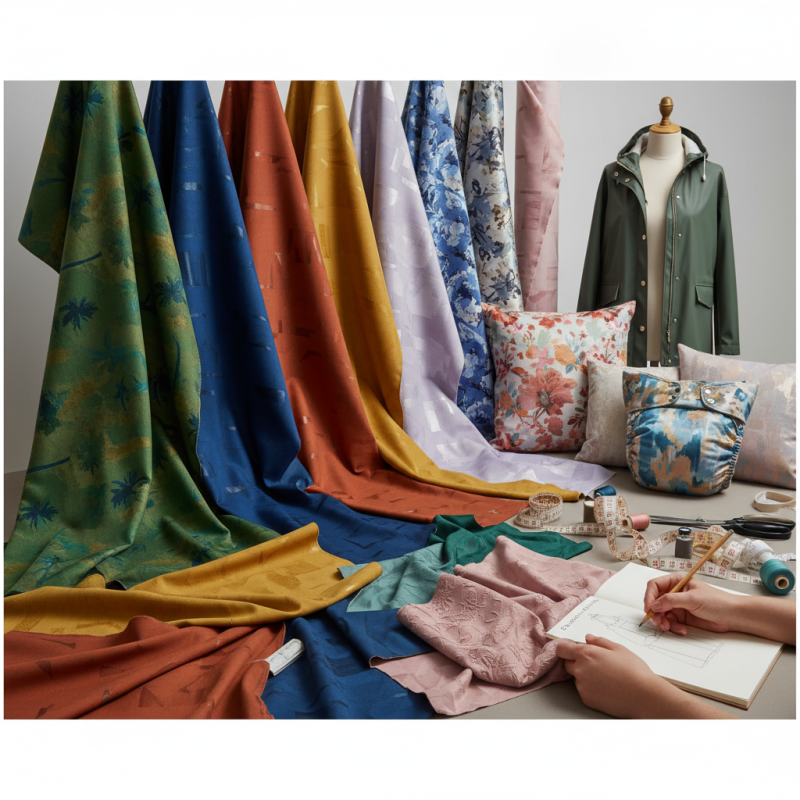
Pul fabric has gained popularity in both fashion and home decor for good reasons. Its soft texture and versatility make it an appealing choice. Designers appreciate how easily pul fabric can be manipulated into various styles. In clothing, pul offers comfort without sacrificing style. For home decor, pul fabric can create inviting atmospheres.
When considering pul fabric, think about its practical benefits. It is water-resistant, which makes it suitable for households with kids or pets. Additionally, pul fabric comes in countless colors and patterns. Choosing the right print can drastically change the feel of a space. However, not every pul fabric is created equal. Some blends may not hold up well over time, leading to disappointment.
Here are a few tips to keep in mind when selecting pul fabric. Always check the weight of the fabric. Heavier options often provide better durability. Also, consider color fading potential, especially for items exposed to sunlight. Lastly, don’t underestimate the importance of washing instructions. Improper care can diminish the fabric’s appeal and longevity.
Types of Pul Fabrics: Properties and Characteristics
When selecting the best pul fabrics for fashion and home decor, understanding their properties is crucial. Pul fabrics, often known for their stretch and durability, come in various types.
Polyurethane (PU) leather is a popular choice for its water-resistant quality and easy maintenance. According to a recent industry report, the demand for PU fabrics has surged by over 15% in the last three years, driven by their eco-friendly production processes.
Another notable type is fleece. Fleece fabrics are celebrated for their softness and warmth. They are often chosen for winter apparel and blankets. However, it's essential to note that while fleece is soft, it can pill over time, which affects its longevity. A report from the Fabric Institute suggests that consumers prefer fabrics with a lower tendency to pill, marking fleece as a fabric that requires careful consideration.
Tips: When selecting pul fabrics, consider their intended use. For activewear, look at moisture-wicking options. For home decor, prioritize durability and ease of cleaning. Always check the fabric weight; this can significantly affect the final look and feel of your project.
Top Trends in Pul Fabric for 2026 Fashion Collections
As we look toward 2026, pul fabrics are set to redefine fashion and home decor. Emerging trends indicate a shift towards sustainable materials. According to a recent industry report, nearly 70% of consumers prefer eco-friendly options. Incorporating organic fibers and recycled materials into pul fabrics is no longer just a trend; it’s becoming the norm. This not only improves the environmental footprint but also meets consumer demand for sustainability.
Color palettes are evolving as well. Earth tones and muted shades are gaining popularity. A study highlights that 54% of designers anticipate these colors dominating their collections. Additionally, textured finishes are in focus. The tactile quality of fabrics that evoke a sense of comfort and luxury makes them desirable. Designers are experimenting with varied textures, driving innovation in fabric technology and production methods.
However, there is an ongoing challenge in balancing aesthetic appeal with durability. While softer, lighter fabrics may enhance comfort, they can compromise longevity. The fashion industry faces scrutiny over the lifespan of products. Consumers are increasingly vocal about their expectations. Addressing these concerns will be critical for brands aiming to thrive in the competitive landscape of 2026.
2026 Best Pul Fabric Options for Fashion and Home Decor Choices
Innovative Uses of Pul Fabric in Home Decor and Interior Design
Pul fabric offers a plethora of innovative uses in home decor and interior design. This versatile material is known for its lightweight and breathable qualities, making it perfect for various applications. Homeowners often use pul fabric for curtains, tablecloths, or even upholstery, contributing to a modern and stylish look. The rich colors and patterns available can enhance any space, providing both aesthetic appeal and functionality.
When considering pul fabric for your decor, think about texture and durability. Lightweight fabrics may not suit high-traffic areas, which may lead to quick wear and tear. Opt for heavier pul options if you need more robust materials. Additionally, always test the fabric's color against your walls before making a final choice. A color that looks great in the store may appear different at home.
Tips: When arranging pul fabric in your space, consider layering it. Layering can add depth and dimension. Don’t hesitate to mix patterns; just keep them in the same color family for cohesion. If you're unsure about your design choices, try using fabric swatches in your home to see how they interact with light and surroundings. This small step can prevent costly mistakes later on.
2026 Best Pul Fabric Options for Fashion and Home Decor Choices
| Fabric Type |
Durability |
Texture |
Best Uses |
Color Options |
| Cotton Pul Fabric |
High |
Soft |
Clothing, Curtains |
Pastels, Brights |
| Polyester Pul Fabric |
Medium |
Smooth |
Upholstery, Pillows |
Neutrals, Dark Tones |
| Linen Pul Fabric |
High |
Textured |
Tablecloths, Drapery |
Natural Colors, Whites |
| Rayon Pul Fabric |
Medium |
Silky |
Fashion, Accessories |
Vibrant Hues |
| Tencel Pul Fabric |
High |
Soft and Breathable |
Beddings, Clothing |
Earth Tones, Soft Colors |
Sustainable and Eco-Friendly Pul Fabric Options for Modern Consumers
As modern consumers become more environmentally conscious, the demand for sustainable pul fabrics is rising. According to a recent report by the Textile Exchange, sustainable fibers are projected to grow by 20% in the next five years. This shift reflects an essential change in consumer behavior, where eco-friendly choices are prioritized.
Pul fabrics made from natural fibers, like organic cotton or linen, reduce environmental impact. They require less water and energy during production. Additionally, these fibers are biodegradable, unlike synthetic materials that sit in landfills for years. Choosing pul fabrics infused with plant-based dyes further supports eco-friendly practices, as they eliminate harmful chemicals often used in dyeing processes.
Tip: Always look for certifications like GOTS (Global Organic Textile Standard) when selecting pul fabrics. These certifications ensure the materials meet sustainability criteria. Another tip is to explore local sourcing; often, regional options have a lower carbon footprint due to reduced transportation needs. Understanding the entire life cycle of fabric can open eyes to hidden environmental costs. Sustainable choices can be complex but staying informed leads to better decisions.