2026 Best Vinyl Mattress Cover for Global Buyers?
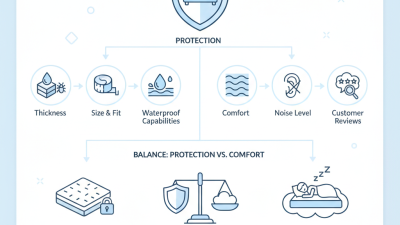
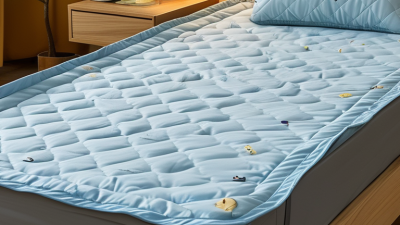
Choosing the 2026 Best Vinyl Mattress Cover for Global Buyers requires more than comparing prices. A reliable Vinyl Mattress Cover should protect against spills, dust, stains, and daily wear. It should also fit tightly without making the bed feel noisy or unusually warm. Small details matter. Think of a reinforced zipper, sealed seams, smooth edges, and clear size measurements.
Sleep-product consultant Dr. Michael Breus reminds shoppers, “Your mattress is a major investment, so protect it.” That practical view guides this comparison. We examine vinyl thickness, flexibility, odor control, waterproof performance, and cleaning needs. We also consider different bedrooms, from humid coastal apartments to dry mountain homes. Climate changes comfort. So does mattress depth.
The strongest cover is not always the thickest one. A heavy material may resist tearing, yet feel stiff during nighttime movement. A thinner cover may fold easily, but wear faster around corners. This is where many buying guides oversimplify the decision. No product is perfect.
Global buyers should also check packaging quality, care instructions, return conditions, and relevant safety documentation. Product claims can sound impressive but remain difficult to verify. That deserves attention. A dependable cover should arrive clean, seal properly, and stay in place after repeated washing or wiping. This guide compares practical options for hospitals, hotels, rental homes, family bedrooms, and travel accommodation. It focuses on real use, not polished advertising. Expect trade-offs, honest limitations, and a clearer path toward selecting the right Vinyl Mattress Cover.
What Is a Vinyl Mattress Cover and Why Does It Matter in 2026?
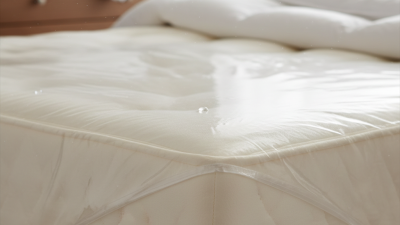
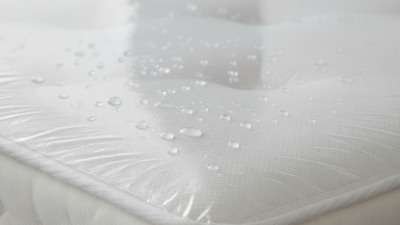
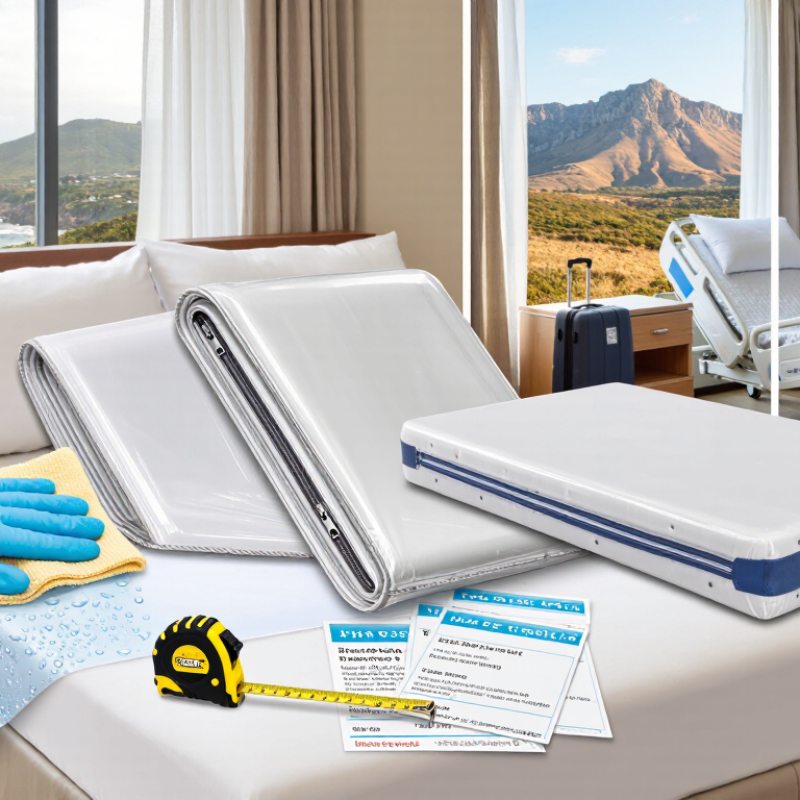
A vinyl mattress cover is a fitted, waterproof layer made from PVC or vinyl-coated fabric. It usually has sealed seams and a zipper or elastic edge. The material blocks sweat, spills, dust, and other moisture from reaching the mattress core. That matters in 2026 because mattresses are difficult to clean deeply, while damp bedding can support odor and microbial growth.
Market data shows why protection remains relevant. Grand View Research estimated the global mattress market at about USD 50 billion in 2023, with continued growth through 2030. The U.S. Environmental Protection Agency also reports that indoor pollutant levels can be two to five times higher than outdoor levels. This does not prove that vinyl solves indoor-air problems. It does show why washable barriers deserve careful attention.
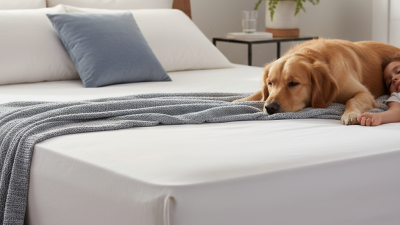
In my experience, vinyl works well for children’s beds, guest rooms, and healthcare settings. However, some covers feel hot and make rustling sounds. “Breathable vinyl” is not always breathable enough. That claim needs independent testing.
Tips:
Choose a low-odor cover with tested seams and a secure closure. Check testing for phthalates, lead, formaldehyde, and chemical emissions. Look for clear washing instructions and a measured mattress depth. A loose cover can gather moisture underneath. A tight one may split at the corners. The safest choice depends on climate, sleeper sensitivity, and cleaning habits, not price alone.
Key Features of the Best Vinyl Mattress Covers for Global Buyers
The best vinyl mattress cover for global buyers should protect against spills, dust, and everyday stains without feeling cheaply made. A reliable cover uses consistent vinyl thickness, neatly finished edges, and sealed seams. Check the zipper closely. It should open smoothly and resist splitting after repeated use. A poor closure can ruin an otherwise strong cover.
Water resistance is essential, but vinyl is not naturally breathable. Look for designs that reduce trapped moisture, especially in warm or humid regions. A smooth surface allows quick wiping with mild soap and water. Strong odors deserve attention. Request material specifications, safety documentation, and test reports before placing a large order. Requirements may differ between countries, so generic claims are not enough. Clear care instructions should also be available in suitable languages.
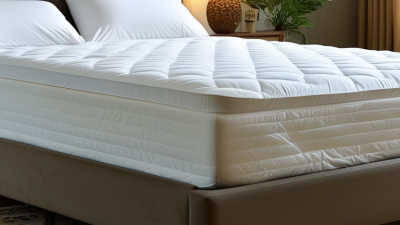
Fit matters more than many buyers expect. Measure mattress length, width, and depth, including any topper. An oversized cover may shift during sleep, while a tight one can stress the seams. Reinforced corners and flexible elastic can improve stability. Packaging should protect the covers from creasing and moisture during international shipping. Sample testing is wise. Test the zipper, seams, cleaning process, and odor after airing. No cover is perfect. Vinyl can still trap heat, and a thicker material may feel less flexible. These limitations should be considered before choosing a final specification.
How to Choose the Right Vinyl Mattress Cover for Different Needs
2026 Best Vinyl Mattress Cover for Global Buyers?
Choosing a vinyl mattress cover starts with the sleeping environment, not the lowest price. Grand View Research valued the global mattress market at about $51.7 billion in 2023, with growth expected through 2030. More mattresses mean more protection needs, but specifications still matter.
For humid rooms, choose a cover with heat-sealed seams, a snug depth, and ventilation-friendly construction. A loose cover can bunch under the shoulders. It can also trap moisture. For hospitals, rentals, and childcare settings, prioritize smooth vinyl, wipe-clean surfaces, and a strong zipper flap. Check the material thickness, measured in mils, rather than trusting “heavy duty” wording. Thicker vinyl usually resists tearing better, though it may feel less flexible.
Cold climates need pliable material. Cheap vinyl can stiffen and crack. This detail is easy to miss. ASTM testing references can help verify tensile strength, seam performance, and resistance to leakage. Buyers should also review chemical disclosures and local flammability requirements before importing. Fortune Business Insights reported a global mattress market value above $56 billion in 2023, showing why consistent quality control is increasingly important across supply chains.
A practical test is simple: fit the cover, pour a small amount of water onto the center, and inspect the seams after several minutes. Do not rely on this alone. Factory inspection records, sample aging tests, and clear warranty terms provide stronger evidence. Vinyl is waterproof, but it is not automatically breathable. That trade-off deserves honest consideration.
Vinyl Mattress Cover Safety, Comfort, Durability, and Maintenance
2026 Best Vinyl Mattress Cover for Global Buyers?
A reliable vinyl mattress cover should protect against spills, dust, and everyday moisture. Choose a cover made from tested, low-odor materials. Strong seams matter because weak stitching can split during washing or movement. Check the product’s material information and safety documentation before buying internationally. Standards differ between countries, so a single global safety claim deserves caution.
Comfort also depends on surface texture. A soft, fabric-like finish feels less cold and noisy than smooth vinyl. Breathable construction can reduce trapped heat, although vinyl is not naturally breathable. Use a fitted design that stays flat beneath the sheet. Loose corners may bunch under the body. That becomes uncomfortable quickly. I would not trust “waterproof” alone; closure quality and seam protection are equally important.
Tips: Air out a new cover in a clean, shaded space before use. Wash it with mild soap and lukewarm water. Avoid harsh bleach, abrasive brushes, and high heat, which may damage the surface. Dry it fully before placing it on the mattress. Inspect corners, zippers, and seams every few weeks. Replace the cover if it becomes cracked, sticky, or difficult to clean. For children, older adults, or sensitive sleepers, test comfort for several nights rather than judging one afternoon.
2026 Best Vinyl Mattress Cover for Global Buyers
Practical performance comparison of common mattress-cover materials. Scores use a normalized 1–10 scale, where 10 indicates stronger performance for the listed attribute.
Vinyl covers provide excellent waterproof protection, wipe-clean maintenance, and strong resistance to everyday spills. Their main trade-off is lower breathability than fabric-based alternatives, so buyers should consider ventilation, climate, surface softness, and the intended use environment.
Global Buying Factors: Sizes, Certifications, Shipping, and Suppliers
Global buyers should treat mattress sizing as a measurement task, not a marketing label.
Twin, queen, and king dimensions vary across countries. Measure length, width, mattress height, and the extra depth added by toppers. A cover that fits the surface may still split at the corners. I prefer elastic edges, welded seams, and vinyl around 0.15–0.30 millimeters thick. Thicker is not always better; it can become noisy and less flexible.
Certification documents deserve close review.
Ask suppliers for material composition, phthalate testing, heavy-metal screening, and formaldehyde results. For European sales, REACH compliance evidence is essential. ISO 6330 washing data can show whether the cover survives repeated cleaning. Fire-performance testing may also matter under the destination market’s rules. A certificate without a matching product code is weak evidence. Check the factory address, inspection date, laboratory name, and test scope. Small details matter.
Shipping can quietly change the final cost.
UNCTAD’s Review of Maritime Transport 2024 states that over 80% of global merchandise trade moves by sea. The World Bank’s Logistics Performance Index 2023 also highlights customs and delivery reliability as major gaps. Request carton dimensions, gross weight, pallet limits, and tariff classification before ordering. Consolidated sea freight may reduce unit cost, while small urgent shipments can erase the saving. I have seen buyers trust supplier estimates too quickly. Recheck them using your own destination port and delivery terms. Mistakes remain possible.