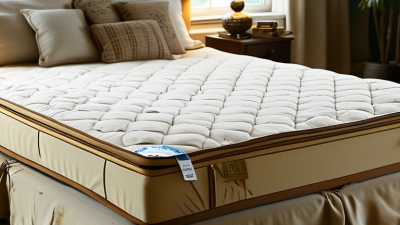
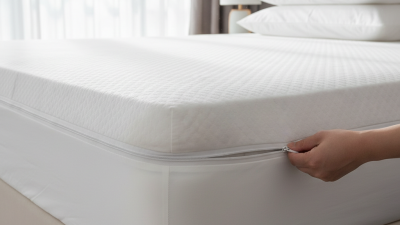
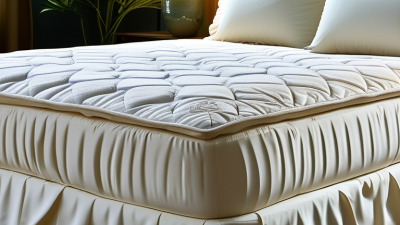
The 2026 wholesale market is moving toward smarter, more durable Bed Bug Mattress Cover solutions. Buyers must compare protection, construction, comfort, and long-term value. A low price can look attractive beside stacked cartons, yet weak seams may create costly returns.
“Prevention is the best way to control bed bugs,” says Dr. Michael F. Potter, a respected entomologist and bed bug researcher. His principle supports a practical purchasing strategy: choose covers that help prevent hidden insects from entering or escaping mattresses. The strongest options usually include tightly woven fabric, reinforced seams, secure zipper systems, and zipper-end protection. Some models also provide waterproof barriers, which can improve hygiene and reduce mattress damage.
Fit matters.
A cover should wrap the mattress without excessive looseness. Loose fabric may bunch beneath sheets, while an over-tight fit can strain the zipper. Wholesale buyers should request samples before placing large orders. They can inspect stitching, test repeated opening, and check whether the material remains quiet during sleep. Product claims should also be supported by laboratory reports, care instructions, and traceable manufacturing information.
Still, no cover solves every room. Bed frames, box springs, furniture joints, and nearby clutter require attention too. This is where purchasing decisions can become imperfect. A premium cover may perform well in testing but disappoint if retailers explain installation poorly. Buyers should therefore evaluate packaging, user instructions, warranty terms, and supplier communication alongside technical specifications.
This guide examines the top Bed Bug Mattress Cover types for wholesale buyers in 2026. It focuses on practical differences, verified quality indicators, and the details that influence repeat sales.
2026 Top Bed Bug Mattress Cover Types for Wholesale Buyers
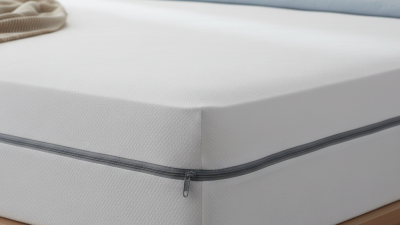
Bed bug mattress covers are tightly woven, zippered barriers designed to isolate mattresses. They support pest control, but they do not replace inspection or treatment. The U.S. Environmental Protection Agency recommends encasements with secure, durable zippers. These features prevent hidden bugs from escaping while making later inspections easier.
A cover must fit without exposed gaps. Look for reinforced seams, smooth zipper tracks, and fabric that resists tearing during handling. Waterproof layers may protect against moisture, but breathability still matters in warm rooms. According to the National Pest Management Association’s 2018 Bugs Without Borders survey, 97% of surveyed pest professionals treated bed bugs during the previous year. This indicates sustained demand for practical control tools, including reliable encasements.
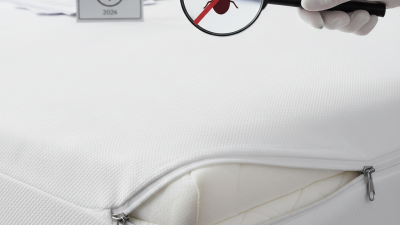
The University of Kentucky Entomology Department explains that a properly sealed encasement can trap bed bugs inside the mattress. However, occupants must keep it sealed for the recommended period. One missed tear can undermine the process. That detail is often overlooked.
Wholesale buyers should separate basic polyester covers, stretch-knit models, and heavy-duty commercial versions. Testing zipper strength and seam performance matters more than appearance. The National Pest Management Association also reports that bed bug cases occur year-round, not only during warm seasons. Stock planning should reflect that pattern. Claims should remain careful. A mattress cover is a barrier, not a complete cure.
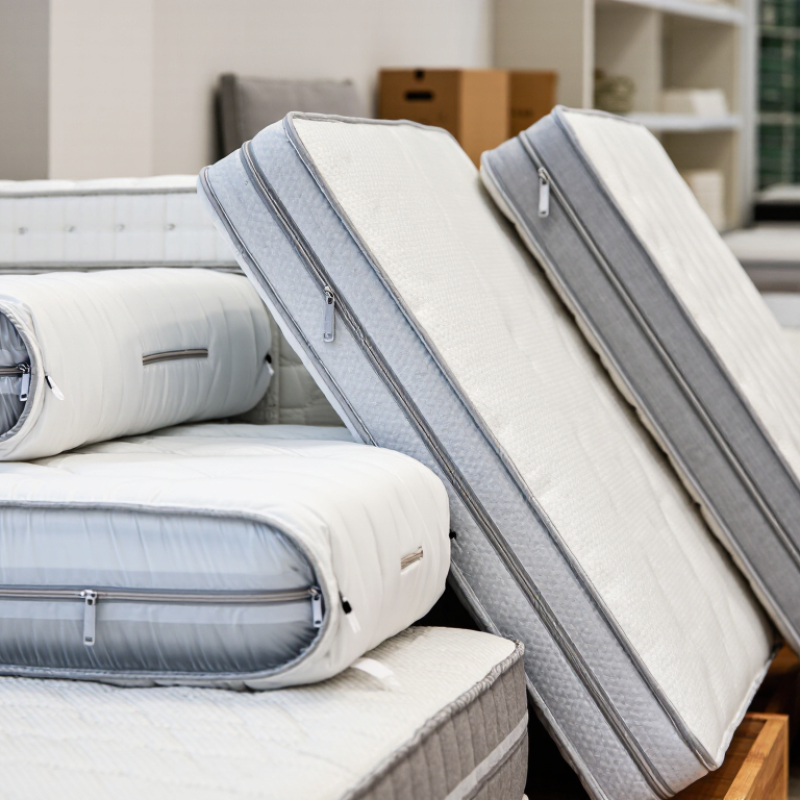
For wholesale buyers, bed bug mattress covers fall into several practical types. Full encasement covers surround all six mattress sides and close with a secured zipper. They offer the strongest inspection advantage because bugs have fewer hiding points. Fitted zippered covers protect the top and sides, but their lower opening may create a weakness. Box spring encasements are often paired with mattress covers, especially for hospitality and rental housing orders.
Material choices affect returns and customer trust. Stretch polyester feels cooler and fits varied mattress depths. Tightly woven microfiber can improve comfort, while polyurethane backing adds waterproof protection. However, waterproof does not automatically mean bed bug resistant. Buyers should request zipper specifications, seam construction details, wash-cycle testing, and documented laboratory claims. Small defects matter.
Demand is not seasonal in many markets. The NPMA’s 2018 Bugs Without Borders survey reported that 97% of pest professionals had treated bed bugs during the previous year. It also found that 68% encountered infestations year-round. This supports stocking multiple sizes, not only standard queen covers. EPA bed bug guidance also identifies encasements as useful for reducing hiding places and improving inspection. A single universal size is convenient, but rarely honest. Wholesale assortments should include deep-pocket, waterproof, breathable, and box-spring options. I would still test zipper durability after repeated washing; packaging claims are not field experience.
The chart compares the main bed bug mattress cover formats by the number of mattress or bedding surfaces typically enclosed. Full encasements provide complete six-sided coverage, while fitted protectors and pillow encasements cover exposed surfaces without fully enclosing the item.
For wholesale purchasing, six-sided encasements are generally selected for maximum containment, fitted protectors for easier installation, and pillow or box-spring covers for targeted protection across a complete bedding program.
Wholesale buyers should compare mattress cover materials before comparing prices. Tightly woven polyester offers breathability and softer handling. Vinyl gives strong moisture resistance but can feel warmer and crack after repeated folding. Polyester with a polyurethane membrane balances comfort, water resistance, and warehouse versatility. Check zipper construction, seam sealing, elastic depth, and washing instructions. A cover should fully enclose the mattress, with no opening large enough for bed bugs to escape.
Protection claims need evidence. The U.S. Environmental Protection Agency advises using bed bug-proof encasements with secure zippers and sealed openings. The National Pest Management Association’s 2018 Bugs Without Borders survey reported that 97% of pest professionals treated bed bugs during the previous year. Its findings show why dependable encasements remain relevant for hospitality and rental supply channels. However, no universal mattress-cover standard proves every “bed bug-proof” claim. Request independent test reports, production batch records, and zipper durability results. Marketing language is not laboratory evidence.
Tips: Ask suppliers for wash-cycle testing, puncture resistance, and dimensional measurements. Inspect samples after stretching them over thick mattresses. Look closely at zipper ends. That small area often needs more attention. Buyers should also review applicable textile labeling, chemical, and flammability requirements in each sales market. A cheaper cover may improve margins, but weak seams can create costly returns. My practical concern is simple: protection performance can decline when users force an undersized cover onto a deep mattress.eriya
Wholesale buyers should compare full encasements with fitted protectors carefully. A six-sided encasement surrounds the mattress and closes with a secure zipper. A fitted protector covers the sleeping surface but may leave sides exposed.
The National Pest Management Association’s Bugs Without Borders survey found that 97% of pest professionals encountered bed bugs during the previous year. Apartments accounted for 91% of reported service locations, while hotels represented 82%. These figures support stronger cover selection for high-turnover properties.
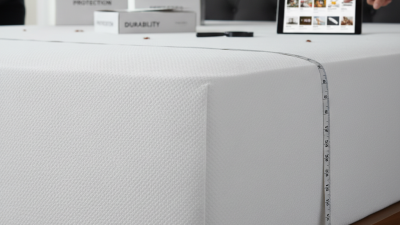
Inspect fabric density, seam construction, zipper protection, and washing performance. A reliable cover should fit tightly without stressing the zipper. Measure mattress length, width, height, and any pillow-top depth. Small size errors create loose corners. They happen more often than buyers expect.
Wholesale costs should include packaging, sampling, freight, replacement rates, and import duties. A cheaper unit can become expensive after returns. Request tiered quotations for standard, deep-pocket, and split-king sizes. Compare landed cost per usable cover, not only the factory price.
Tips: Ask suppliers for wash-cycle test results, zipper-end photographs, and independent laboratory reports. Check whether testing covers bed bug escape resistance, waterproofing, and tear strength. No single certificate proves overall quality. Review the test method and sample size. Buyers should also test several production samples, because one sample can look perfect while later batches vary. My practical concern is often overlooked: a cover may block insects but feel noisy, hot, or difficult for housekeeping staff to install. Usability affects consistent adoption.
Wholesale buyers should compare mattress encasements by protection, inspection value, and repeat-use performance. The NPMA Bugs Without Borders survey reported that 97% of surveyed pest professionals treated bed bugs. That figure supports stronger purchasing controls.
A full six-sided encasement is usually more suitable than a fitted protector. It surrounds the mattress and reduces hiding spaces around seams. Look for tightly woven fabric, reinforced stitching, and a zipper that closes completely. The U.S. EPA advises using encasements designed to prevent bed bugs from escaping or entering. Ask suppliers for laboratory test records, not only marketing claims.
Check zipper teeth, end stops, seam strength, and fabric recovery after stretching. Inspect samples under bright light. Tiny gaps matter.
Sizing requires care. Measure length, width, and mattress depth, including toppers used by customers. A loose cover can wrinkle and create concealed folds. An overly tight cover may stress the zipper during installation. The 2023 U.S. Household Insecticide Market Report identified residential pest concerns as a continuing demand driver, but market growth does not prove product quality. That distinction is easy to miss. I would not accept a low price as evidence of value. Request carton specifications, cleaning instructions, lot identification, and replacement procedures before placing a wholesale order. Some suppliers provide good samples, then change materials later. Random inspections during production remain necessary.