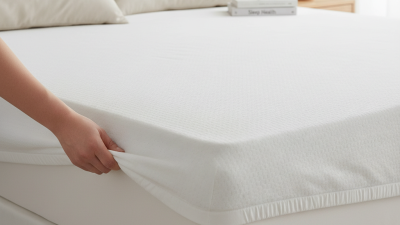
What Are the 2026 Top Hypoallergenic Mattress Cover Types?
Choosing the right Hypoallergenic Mattress Cover can make a noticeable difference in a bedroom’s comfort and cleanliness. Dust, skin flakes, humidity, and pet dander often collect near the sleeping surface. A suitable cover creates a practical barrier between these irritants and your body. It may also protect the mattress from sweat and accidental spills.
In 2026, shoppers will likely compare several leading cover types, including tightly woven cotton, waterproof membrane, bamboo-blend, wool, and zippered encasement designs. Each option has strengths and limitations. Cotton can feel cool and familiar, but its protection depends on weave density. Waterproof covers resist moisture well, although some materials may feel warm or slightly noisy. Bamboo blends often provide softness, yet marketing claims should be checked carefully. Wool offers natural temperature regulation, but it may not suit people with specific sensitivities.
Details matter.
This guide examines construction, breathability, certifications, washing requirements, and long-term durability. It also considers practical bedroom experiences, such as waking with damp sheets or hearing fabric movement at night. Products carrying recognized textile or allergen-control certifications deserve closer attention, but certification alone does not guarantee personal comfort. Individual reactions vary, and even a carefully selected cover may need testing over several nights.
The goal is not to label one material as universally best. Instead, the discussion compares how each type performs under realistic conditions. Readers can then balance allergy concerns, climate, mattress fit, noise, maintenance, and budget. Some conclusions may remain imperfect because product quality differs widely between manufacturers. That uncertainty is worth acknowledging.
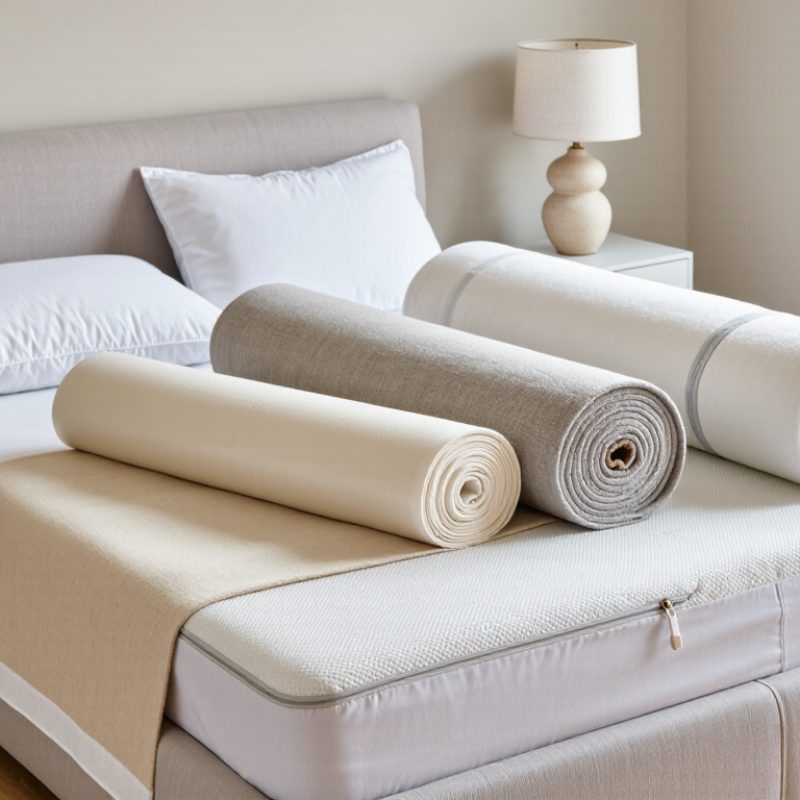
What Makes a Mattress Cover Hypoallergenic in 2026?
What Makes a Mattress Cover Hypoallergenic in 2026?
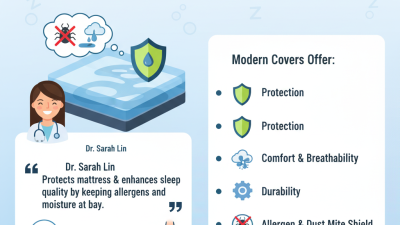
A hypoallergenic mattress cover should block allergens, not merely advertise “natural” fabric. The American Academy of Allergy, Asthma & Immunology recommends tightly woven encasements with pores under 6 microns. This barrier helps contain dust-mite particles around the mattress core. Look for a fully enclosed zipper, sealed seams, and fabric that remains quiet against the sheets. Tiny gaps matter.
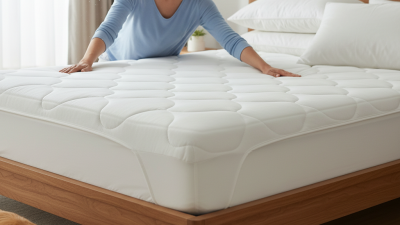
Moisture control is equally important. The U.S. Environmental Protection Agency recommends indoor humidity between 30% and 50%. A breathable cover can reduce clammy surfaces, but it cannot correct a damp bedroom. During testing, press the cover firmly across corners and check whether the zipper separates. That simple check is often overlooked. Washing instructions also deserve scrutiny. The AAAAI advises washing bedding weekly in water reaching at least 130°F (54°C), when the material allows it. Some “washable” covers shrink after repeated hot cycles, weakening the fit.
Low chemical emissions should remain part of the assessment. Third-party textile testing can verify restricted substances and help identify problematic finishes. However, certification does not automatically prove allergy protection. That distinction is easy to miss. In practice, the strongest 2026 cover combines a verified allergen barrier, washable construction, moisture management, and transparent test information. No cover eliminates every trigger, and personal sensitivity still changes the result.
How Do Organic Cotton Mattress Covers Support Allergy Control?
What Are the 2026 Top Hypoallergenic Mattress Cover Types?
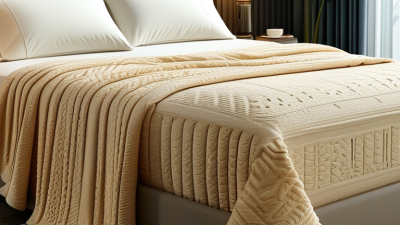
Organic cotton mattress covers support allergy control through breathable, tightly woven fabric. Their main benefit is physical: they can reduce contact with dust mites, skin flakes, and trapped bedroom particles. The U.S. National Center for Health Statistics reported that 25.7% of adults experienced seasonal allergies in 2021. That figure makes bedroom exposure worth examining.
A useful organic cotton cover should fully encase the mattress and close with a sealed zipper. Small details matter. Gaps can defeat the barrier. Look for independently tested fabric, washable construction, and clear fiber certification. Organic cotton alone does not make a cover hypoallergenic. It describes farming and processing practices, not guaranteed allergy protection.
The National Institute of Environmental Health Sciences identifies dust mites as common indoor allergens. Washing bedding weekly in hot water can reduce allergen buildup, while a mattress encasement adds another layer of control. In practice, organic cotton may feel cooler than coated synthetic fabric, especially in humid rooms. Still, personal reactions differ. Some sleepers may react to dyes, finishes, or zipper materials. I would avoid absolute claims and check testing evidence before purchasing. Even the best cover cannot remove every airborne allergen.
What Are the 2026 Top Hypoallergenic Mattress Cover Types?
How Organic Cotton Mattress Covers Support Allergy Control
This comparison summarizes practical allergy-control features commonly associated with different mattress-cover constructions. Organic cotton can provide breathable, washable surface protection, while a tightly woven or zippered encasement is important for limiting exposure to dust-mite allergens. Actual performance depends on fabric density, seam construction, washing instructions, and product fit; these are general material profiles rather than clinical efficacy ratings.
Why Are Tencel and Bamboo Covers Popular Hypoallergenic Choices?
In 2026, shoppers are looking beyond labels such as “hypoallergenic.” A mattress cover matters because it sits close to skin for hours. Tencel and bamboo-derived fabrics remain popular for their smooth feel and moisture management. That comfort is practical, not merely fashionable. In practical evaluations, these fabrics can reduce clammy contact during warm nights. They may help sensitive sleepers feel less irritated. Still, no cover is completely allergy-proof.
Tencel is made from regenerated wood cellulose and usually has a fine, even surface. Its soft fibers can reduce friction against dry or reactive skin. Bamboo-derived rayon or viscose is also smooth and breathable. Its cooling sensation may suit sleepers who sweat at night. Both materials can dry faster than heavy cotton, depending on the weave and fabric blend. A tightly woven cover may also reduce dust-mite contact. Construction matters more than the fiber name. Check washing instructions and independent textile safety certifications. Fancy wording is not evidence.
▰
A washable cover is essential in real homes. Wash it regularly, dry it completely, and inspect seams after repeated cycles. Waterproof backing can block spills, but some plastic layers trap heat or create noise. I would choose a quiet, breathable design with a secure zipper. My preference is Tencel for its consistent softness, although bamboo may feel cooler to some sleepers. I may be overvaluing softness here. Personal comfort still needs careful testing.
When Should You Choose Wool, Microfiber, or Waterproof Covers?
Choosing a hypoallergenic mattress cover depends on the bedroom problem, not the marketing label.
Wool suits sleepers who wake damp or dislike plastic-like textures. The International Wool Textile Organisation reports that wool can absorb up to 30% of its weight in moisture vapor. That helps manage nighttime humidity near the skin. It still needs regular airing. Wool can also retain dust if cleaning is neglected.
Microfiber is a practical choice for people wanting a smooth, lightweight barrier.
Its tightly woven polyester structure can reduce the movement of dust and skin flakes. However, performance varies with pore size, seam construction, and washing. Research in allergy and indoor-air literature supports allergen-reducing encasements, but results differ between households. That detail matters. A cover cannot repair poor ventilation or an old, dusty mattress.
Choose a waterproof cover when spills, bedwetting, pets, or mold concerns are realistic.
Polyurethane-backed fabric usually protects better than untreated microfiber. The U.S. Environmental Protection Agency recommends keeping indoor relative humidity between 30% and 50%, which may also discourage dust mites and moisture damage. Yet waterproof layers can feel warmer, especially in humid rooms. Check breathability data, zipper coverage, and wash-temperature instructions. “Hypoallergenic” is not a universal performance standard. I would trust tested barrier results more than a large label. Washability is easy to overlook. It should not be.