
7 Best Waterproof Mattress Covers for Global Buyers
Choosing the right Waterproof Mattress Cover is more than comparing prices or counting customer reviews. A dependable cover should block spills, sweat, dust, and accidental stains without making the bed hot or noisy. It should also fit securely. Loose corners can bunch beneath the sleeper.
Mattress reviewer Joe Auer explains, “A protector should preserve the mattress without changing how it feels.” That principle matters for global buyers. A humid bedroom in Singapore demands breathability, while a cold home in Canada may prioritize soft, quiet fabric. Families with children may need sealed seams and easy washing. Travelers may prefer lightweight designs with compact packaging.
This guide examines seven Waterproof Mattress Cover options for different climates, bed sizes, budgets, and sleeping habits. Each product deserves attention beyond its marketing language. Look for waterproof membrane details, fabric composition, elastic depth, wash instructions, and independent testing claims. Certifications can help, but they do not guarantee perfect comfort.
No cover solves every problem.
A waterproof layer can still trap heat if the top fabric breathes poorly. Some models protect well but produce a faint crinkling sound. Others feel comfortable yet lose their fit after repeated washing. These trade-offs are easy to overlook. I would not call one design universally best. The better choice depends on your mattress, climate, household needs, and tolerance for maintenance. This comparison aims to make those decisions clearer, while acknowledging that real bedrooms are less predictable than product descriptions.
What Makes a Mattress Cover Truly Waterproof?
7 Best Waterproof Mattress Covers for Global Buyers
What Makes a Mattress Cover Truly Waterproof?
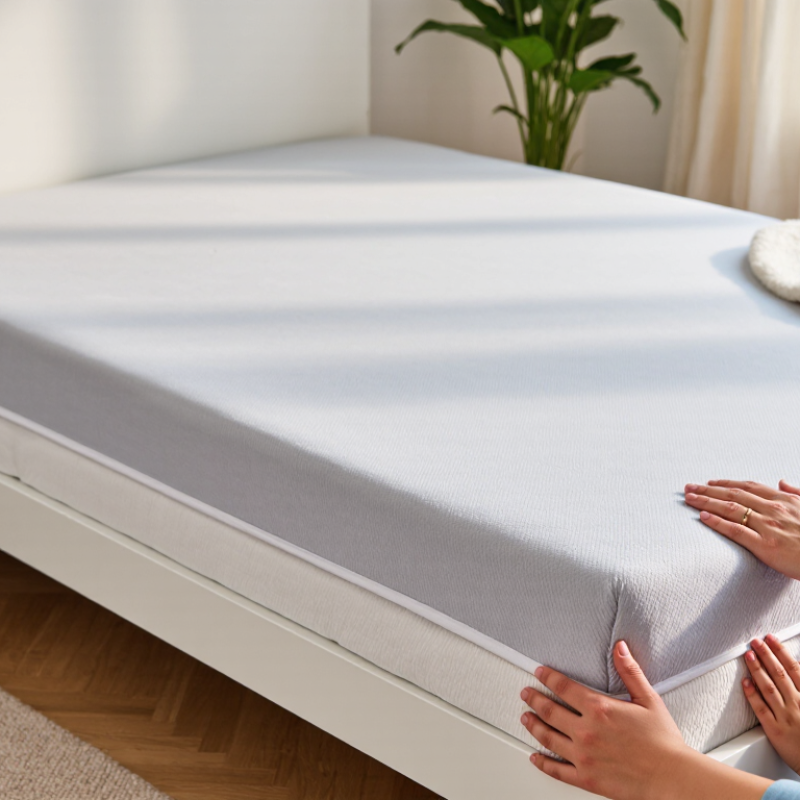
A truly waterproof mattress cover uses a sealed barrier, not merely tightly woven fabric. Look for a polyurethane or TPU membrane beneath the surface layer. It should block spills, sweat, and accidental bedwetting while allowing some airflow. Sealed seams matter just as much. Liquid can enter through stitching, even when the central fabric performs well. A deep fitted skirt should grip the mattress without exposing corners. I once tested a loose cover with a glass of water. The top stayed dry, but the side leaked near the seam.
Tips: Check the product’s waterproof rating and care instructions. “Water-resistant” does not mean waterproof. Ask whether the membrane and seams were tested together. Washable protection is useful, but high heat may damage the coating. A quiet, breathable fabric also improves sleep comfort in warmer regions.
Fit and maintenance affect real protection. Measure mattress depth, including any topper, before buying. After washing, inspect the elastic and seam tape for lifting. A cover that bunches beneath the sheet can create weak points and uncomfortable ridges. Independent testing, clear material details, and transparent return policies signal more reliable construction. Still, no cover lasts forever. Repeated friction, harsh detergents, and pet claws can create tiny failures that are difficult to notice. That is where my judgment becomes less certain: laboratory waterproofing does not always match months of daily use.
7 Best Waterproof Mattress Covers for Global Buyers - What Makes a Mattress Cover Truly Waterproof?
| Rank | Cover Type | Waterproof Construction | Top Fabric | Liquid Protection | Breathability | Noise Level | Typical Wash Guidance | Recommended Mattress Depth | Best Use |
|---|---|---|---|---|---|---|---|---|---|
| 1 | Premium Tencel-Style Protector | Continuous polyurethane membrane bonded beneath the surface fabric | Lyocell or similar regenerated-cellulose blend | Protects against spills, sweat and bed-wetting when seams are sealed |
High | Very low | Follow the care label; commonly machine washable at a warm setting and tumble-dry compatible on low heat | Up to approximately 35 cm | Hot climates, sensitive sleepers and premium everyday use |
| 2 | Cotton Terry Waterproof Fitted Cover | Polyurethane backing laminated to a terry-knit top layer | Cotton terry or cotton-rich terry blend | Good protection for routine household liquid exposure |
Medium to high | Low | Usually machine washable; avoid high heat because excessive heat may damage the membrane | Commonly 25–40 cm | Families, guest rooms and general home protection |
| 3 | All-Around Encasement Protector | Water-resistant membrane covers the top, sides and bottom; zipper area should be protected by a sealed flap | Polyester knit or microfiber with a laminated barrier | Offers broader protection than a top-only fitted protector |
Medium | Low to medium | Wash according to the care label; zipper must be fully closed before laundering | Designed for a specified mattress height; accurate measurement is essential | Allergy-conscious households and maximum mattress coverage |
| 4 | Quilted Waterproof Mattress Pad | Thin waterproof membrane integrated beneath a quilted comfort layer | Polyester microfiber, cotton blend or quilted knit | Balances spill protection with added surface cushioning |
Medium | Low | Often machine washable; bulky padding may require a larger-capacity washer | Commonly 30–45 cm | Sleepers who want protection plus a softer feel |
| 5 | Cooling Mesh Protector | Breathable knitted surface combined with a thin waterproof polyurethane layer | Polyester mesh or performance-knit fabric | Effective when the waterproof layer is continuous and seams are properly finished |
High | Very low to low | Usually washable on a gentle or warm cycle; low-temperature drying helps preserve elasticity | Commonly 25–40 cm | Warm regions, humid rooms and hot sleepers |
| 6 | Deep-Pocket Waterproof Fitted Sheet | Waterproof panel on the sleeping surface with elasticized skirt around the mattress | Microfiber, polyester knit or cotton blend | Protection depends on panel coverage and the quality of corner construction |
Medium | Low | Commonly machine washable; measure mattress height before choosing the pocket depth | Approximately 35–50 cm | Thick mattresses, toppers and adjustable bedding setups |
| 7 | Heavy-Duty Care Protector | Thicker polyurethane-backed fabric with reinforced seams and elastic edging | Durable polyester, vinyl-free coated textile or heavy cotton blend | Designed for frequent exposure to moisture and repeated laundering |
Medium to low | Medium | Look for commercial-care instructions; repeated high-temperature washing can shorten membrane life | Commonly 25–40 cm | Care facilities, childcare settings and high-use guest accommodation |
Buying note: A truly waterproof mattress cover should use a continuous liquid barrier, have securely finished seams, fit the mattress without exposed gaps, and include care instructions that help preserve the membrane. Exact performance, dimensions and wash temperatures vary by construction and manufacturer specifications.
Related Posts
-
China Top Waterproof Mattress Cover Manufacturers?
-
What is a Waterproof Cot Mattress Cover and Why You Need One?
-
How to Choose the Best Waterproof Mattress Cover With Zipper for Your Needs?
-
China Best Waterproof Cot Mattress Cover for Ultimate Protection?
-

How to Choose the Best Waterproof Mattress Cover for Your Needs?
-
Why Choose a Waterproof Mattress Cover for Better Sleep?