What is a Bed Bug Mattress Cover and How Does It Work?
Bed Bug Mattress Covers are essential in today’s battle against invasive pests. According to the National Pest Management Association, bed bugs have seen a resurgence, with 97% of pest control professionals treating them in the last year alone. These covers serve as a formidable barrier, preventing bed bugs from infesting mattresses. Dr. Stephen Doggett, a leading entomologist, states, “Using a Bed Bug Mattress Cover can significantly reduce the risk of bed bug exposure.”
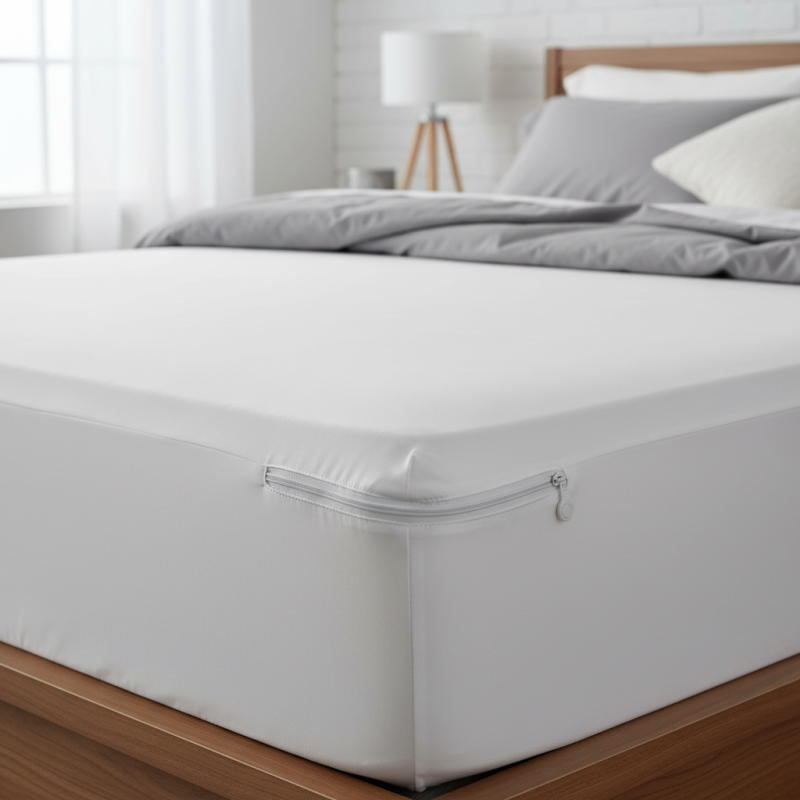
These specialized covers are designed to encase your mattress completely. They are typically made of high-quality materials that are resistant to bed bug penetration. Many consumers underestimate the importance of this protective layer. Investing in a Bed Bug Mattress Cover can save money on pest control and mattress replacements. However, it’s crucial to ensure the cover is effective and properly installed to maximize protection.
While a Bed Bug Mattress Cover can provide peace of mind, it is not a standalone solution. Regular inspection and cleanliness are still vital in preventing infestations. Relying solely on a cover may lead to complacency. Ultimately, understanding both the benefits and limitations of these products can help consumers make informed decisions.
Understanding Bed Bug Mattress Covers: Definition and Purpose
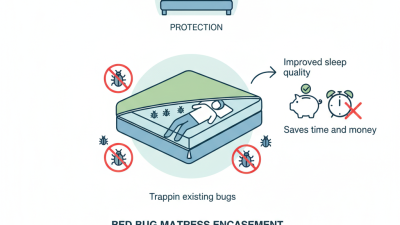
Bed bug mattress covers are specially designed encasements that protect mattresses from bed bugs. These covers serve as a barrier, preventing bed bugs from entering or escaping. They also help in trapping any existing bugs inside, making it difficult for them to feed and reproduce. This process can stop infestations from spreading to other areas of your home.
Using a bed bug mattress cover is an effective preventive measure. It is essential to ensure that the cover is durable and fits snugly over the mattress. A quality cover will reduce the risk of bites during sleep and protect your investment in a good mattress. Regularly inspect the cover for signs of wear and tear, as even small holes can compromise its effectiveness.
Tips: Consider using a cover that is water-resistant. This feature can help protect against spills and allergens. Make it a habit to wash and replace your bed bug mattress cover every few months. This routine ensures that your mattress remains protected and hygienic. While bed bug covers are valuable, they are just one part of a comprehensive pest control strategy.
How Bed Bug Mattress Covers are Designed for Protection
Bed bug mattress covers are specifically engineered to combat the troubling issue of bed bug infestations. These covers create a protective barrier that prevents bed bugs from infiltrating your mattress. According to the National Pest Management Association (NPMA), approximately 1 in 5 Americans has encountered bed bugs. This alarming statistic underscores the importance of investing in effective protective measures.
These covers typically utilize materials designed to be both tightly woven and zippered. The fabric's weave size is crucial; it must be small enough to prevent bed bugs from passing through, ensuring they cannot escape or enter. Research indicates that high-quality covers can effectively block bugs from penetrating 98% of the time. While many covers claim to be impenetrable, the real test is ensuring users adhere to proper maintenance. Regularly inspecting the cover is essential, as wear and tear can compromise its effectiveness.
Moreover, while bed bug mattress covers are effective, they are not infallible. Some users report that these covers occasionally trap bugs inside, leading to unexpected infestations. Contemplating whether your mattress cover is still intact after prolonged use is worthy of attention. Comprehensive care includes recognizing when it’s time to replace the cover, ensuring maximum protection against these resilient pests.
What is a Bed Bug Mattress Cover and How Does It Work?
| Feature |
Description |
| Material |
Typically made from high-quality polyester or nylon that is impermeable to bed bugs. |
| Design |
Zippered enclosure that fully encases the mattress, preventing bed bugs from entering or escaping. |
| Waterproof |
Many are designed to be waterproof, protecting the mattress from spills and stains. |
| Hygiene |
Helps to maintain hygiene by creating a barrier against allergens and dust mites. |
| Ease of Cleaning |
Easily removable and washable, facilitating regular maintenance and cleanliness. |
| Protection Duration |
Can provide long-term protection if maintained properly, usually lasting several years. |
The Mechanism of Bed Bug Mattress Covers: How They Work
Bed bug mattress covers serve a crucial role in pest management.
They create a protective barrier around mattresses. These covers are designed to encase the entire mattress,
preventing bed bugs from entering or escaping. A study published in the Journal of Medical Entomology
indicated that using these covers can reduce bed bug infestations by over 90%.
This statistic highlights their importance in safeguarding your sleeping environment.
The mechanism behind bed bug mattress covers lies in their material and design. They are typically made from
tightly woven fabrics that are impermeable to bugs. The zippers are specially designed to ensure no gaps
are left. When applied correctly, these covers can starve the bed bugs trapped inside. Reports suggest that
even more than 90% of trapped bugs die within a year
due to lack of food. Yet, using a cover is not a one-size-fits-all solution. People must also consider
other aspects of pest control.
However, improper usage can lead to issues. For instance, if the cover doesn't fit well, it may filter
bugs or allow them to escape. This highlights the need for consumers to choose the right size.
Regular inspection of the cover is necessary, as wear and tear may occur over time. Awareness and education
are key. Understanding how these covers work can significantly improve their effectiveness.
Benefits of Using a Bed Bug Mattress Cover for Infestation Prevention
A bed bug mattress cover serves as a protective barrier against infestations. These covers are designed to encase the entire mattress, trapping any existing bed bugs inside. They are often made from tightly woven fabrics that prevent the bugs from escaping. This means you can protect your mattress and sleep better.
Using a bed bug mattress cover provides multiple benefits. It not only protects against new infestations but also prolongs the life of your mattress. Cleaning becomes easier, too. You can simply remove the cover and wash it. This eliminates allergens and dust mites, improving your overall sleep quality.
Many users report feeling a sense of security knowing they have a protective layer.
However, not all covers are created equal. Some may wear down over time. Users need to ensure they choose a durable cover that fits well. Regular inspection is also essential. A tight cover can still develop tiny holes. Without vigilance, it may become ineffective. Reflecting on these factors can lead to better choices.
Best Practices for Installing and Maintaining Bed Bug Mattress Covers
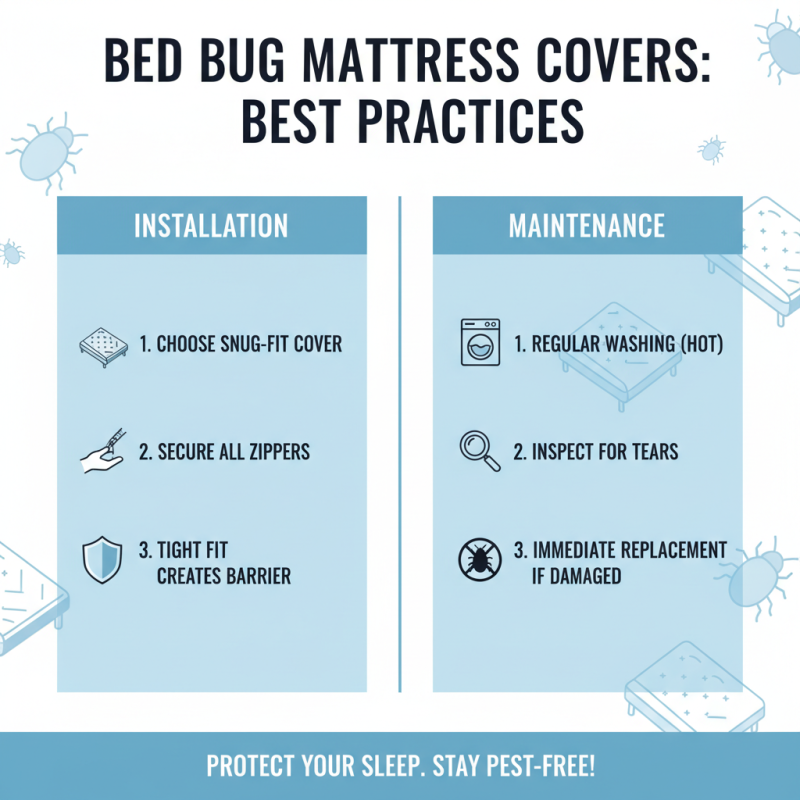
When it comes to protecting your mattress, a bed bug mattress cover is essential. Proper installation is key to ensuring its effectiveness. Start by choosing a high-quality cover that fits your mattress snugly. Secure all zippers and seams to create a barrier against bed bugs. It may take a bit of effort, but a tight fit helps prevent these pests from entering your sleeping area.
Maintenance of your mattress cover is crucial. Regularly wash it according to the manufacturer's instructions. Use hot water to kill any hidden bed bugs and their eggs. Inspect the cover for any damage, like tears or loose seams. Addressing these issues promptly will keep your mattress protected. Remember, even small gaps can become entry points.
Consider the frequency of your inspections. It’s easy to forget about a mattress cover after installation. Make it a habit to check every few months. Be mindful of where you place your luggage or clothes to avoid bringing bed bugs home. It takes diligence, but these practices contribute to a pest-free environment.