What is Bed Bug Mattress Encasement and Why You Need It?
Bed Bug Mattress Encasement is a crucial tool in the battle against bed bugs. These pests can hide in mattresses and are difficult to eradicate. According to the National Pest Management Association (NPMA), about 97% of pest professionals have encountered bed bugs in the last year. This alarming statistic highlights the necessity for effective protective measures.
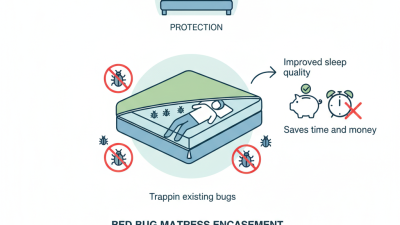
Renowned entomologist Dr. Michael Potter states, "Bed Bug Mattress Encasement is one of the best defenses against infestations." An encasement traps existing bugs and prevents new ones from entering. It provides peace of mind for homeowners and hotels alike. Many consumers overlook this effective solution, leading to repeated issues and increased treatment costs.
Reports show that using a quality encasement can reduce bed bug treatment costs by up to 50%. Without protection, the risk of bed bugs spreading remains high. Bed Bug Mattress Encasement is not just a layer; it is a preventive measure that enhances overall health standards in homes. Ignoring its importance could lead to persistent infestations, reflecting a need for greater public awareness.

Understanding Bed Bug Mattress Encasement: Definition and Purpose
Bed bug mattress encasement serves as a protective barrier against bed bugs. These encasements are specifically designed to trap and contain any existing bed bugs while preventing new ones from entering. Research indicates that bed bugs can be surprisingly resilient. They can survive without food for several months, making eradication challenging.
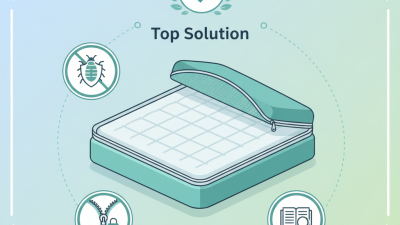
Understanding how mattress encasements work is essential. They are made of durable materials that seal zippers to ensure that bed bugs cannot escape. A study published in the Journal of Economic Entomology found that mattress encasements help reduce bed bug populations over time when used as part of a comprehensive pest control plan.
Here are some tips for choosing the right encasement: Look for a product that is waterproof and tear-resistant. Avoid encasements with zippers that are not sturdy, as they may fail over time. Regularly inspect your encasement for damage. Remember, even the best encasements are not foolproof. They should complement other treatments, such as regular cleaning and professional pest control. Keeping an eye on your sleeping environment is crucial.
Understanding Bed Bug Mattress Encasement: Importance and Effectiveness
How Bed Bug Mattress Encasements Work: A Barrier Against Infestation
Bed bug mattress encasements play a crucial role in managing infestations. These protective covers create a barrier that prevents bed bugs from entering or escaping. Research shows that encasements can reduce the likelihood of infestation by over 80%. They trap any existing bugs inside, cutting off access to their food source: you.
Bed bug encasements work with a tight zipper and durable fabric. High-quality materials resist tearing and allow for easy cleaning. Studies indicate that when used correctly, these encasements can effectively keep bed bugs at bay for years. It's important to note that not all encasements are created equal. Some may not provide the necessary protection. Choosing one with tested insect-proof claims is essential for optimal safety.
Proper installation is vital for effectiveness. Ensure the encasement fits securely around the mattress. Gaps or poor fit can lead to infestations. Additionally, routine checks should be part of your inspection process. Regularly inspect outside seams for any signs of wear or tear. While encasements make a significant impact, they should be part of a broader pest control strategy. Bed bug management requires diligence and proactive measures.
What is Bed Bug Mattress Encasement and Why You Need It?
| Feature |
Description |
Benefits |
Considerations |
| Materials |
Usually made from nylon or polyester with a waterproof layer. |
Prevents bed bugs from entering or exiting the mattress. |
Ensure the encasement has a zipper that seals tightly. |
| Design |
Completely covers the mattress, including zippers and seams. |
Comes in various sizes to fit all mattress types. |
Check for fit and compatibility with your mattress dimensions. |
| Care & Maintenance |
Machine washable and easy to clean. |
Maintains hygiene and prolongs mattress life. |
Avoid abrasive detergents to preserve fabric quality. |
| Pest Control |
Offers a barrier against future infestations. |
Can reduce overall pest control expenses. |
May not resolve existing infestations; consult a pest control professional. |
Key Features to Look for in a Quality Bed Bug Mattress Encasement
A bed bug mattress encasement is a protective cover designed to trap and eliminate bed bugs.
It serves as a barrier, preventing these pests from entering or escaping a mattress. When choosing a quality bed bug encasement,
several key features are essential to ensure maximum effectiveness.
Look for a tightly woven fabric. This material should allow airflow while keeping bed bugs trapped.
Zippers should be strong, with tiny teeth, to prevent any potential escape.
Additional features include waterproofing for added protection against spills and allergens. It's crucial to
check for certifications indicating that the encasement has been tested for bed bug resistance.
Ensure that the encasement fits snugly around your mattress.
Loose-fitting encasements can be ineffective, allowing bed bugs to hide.
Regular inspection of the encasement for wear and tear is vital. Ultimately, investing in a quality encasement can save you
from a painful and costly bed bug infestation.
The Benefits of Using Bed Bug Mattress Encasements for Home Safety
Mattress encasements are an essential tool for
bed bug prevention. They create a protective barrier that prevents bed bugs from infesting your mattress.
Research from the National Pest Management Association indicates
that bed bugs have become increasingly prevalent. In fact, a recent survey revealed that over
75% of pest management professionals have encountered
these pests in the last year.
Using a bed bug mattress encasement offers several benefits for home safety.
First, it traps any existing bed bugs and their eggs within the encasement. This mitigates the risk of an infestation
spreading throughout your home. Moreover, these encasements are designed to withstand bed bug penetration, enhancing
defense against reinfestation. In addition, most encasements are waterproof, providing protection against spills and allergens.
A study published in the Journal of Medical Entomology reported that
mattress encasements can significantly reduce the likelihood of bed bug bites, especially for families with young children.
It's crucial to remember that while encasements are effective, they are not a standalone solution. Regular inspections
and proper cleaning routines are necessary for maximum protection. Bed bugs can be elusive,
and their small size makes them hard to detect. Relying solely on a mattress encasement may lead to complacency.
Awareness and proactive measures remain essential
in the ongoing fight against bed bugs.
Tips for Proper Installation and Maintenance of Mattress Encasements
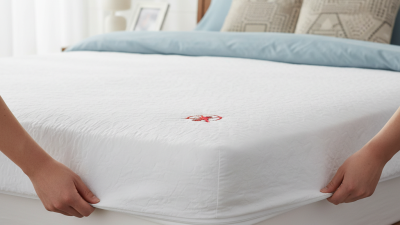
Installing a mattress encasement is an effective way to protect against bed bugs. Start by choosing the right encasement. Look for options that cover the entire mattress, including the zippered seams. This will ensure that no bed bugs can enter or escape.
To install, remove your mattress from the bed frame. Place it carefully into the encasement. Be gentle; avoid tearing the fabric. Once inside, zip it up completely. Check for any openings or weak areas.
Maintaining the encasement is crucial. Regularly inspect it for any signs of wear or damage. If you notice a tear, replace it immediately. Washing the encasement is also important. Follow the care instructions closely to avoid damaging it. Keeping it clean helps to prevent infestations. Remember, your mattress encasement is only as good as how you care for it.