How to Choose the Best Dust Mite Mattress Cover for Your Allergies?
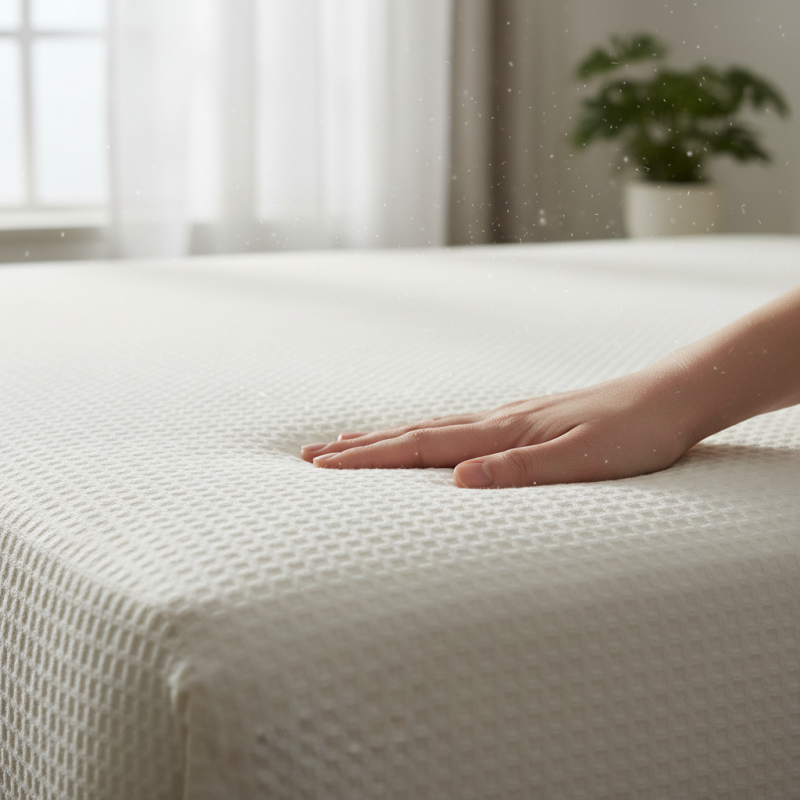
Choosing the best Dust Mite Mattress Cover is essential for allergy sufferers. Dust mites thrive in warm, humid environments, making mattresses a perfect habitat. A suitable mattress cover acts as a barrier, preventing allergens from infiltrating your sleeping space.
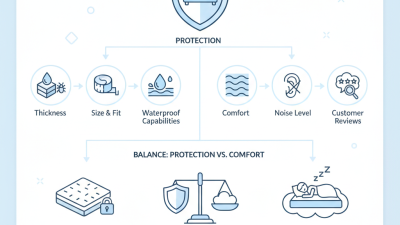
When selecting a Dust Mite Mattress Cover, consider materials and thread counts. A tightly woven fabric can block dust mites effectively. However, it’s crucial not to overlook comfort. Some covers can feel stiff and uncomfortable. Look for options that balance protection and softness.
Also, think about maintenance. Many covers are machine washable, which is vital for ongoing allergy relief. Yet, not all products are easy to care for. Some may require special handling or care instructions. Your choice should reflect a balance between effectiveness and convenience, ensuring a good night’s sleep.
Understanding Dust Mites and Their Impact on Allergies
Dust mites are microscopic creatures thriving in warm, humid environments. They feed on dead skin cells, making bedding an attractive habitat. Research shows that about 10% of the population is allergic to dust mites. Symptoms include sneezing, runny noses, and itchy eyes.
Studies indicate dust mites can significantly impact allergy sufferers. One National Institute of Allergy and Infectious Diseases report states that they are among the top allergens. Regular cleaning can reduce their presence, but often it's not enough. A mattress cover can provide a protective barrier. It traps the mites and their waste, preventing direct contact.
Choosing the right mattress cover involves looking for specific features. Materials should be tightly woven and breathable. Zippered covers offer better protection. Certifications like those from the Allergy Standards Limited can guide choices. While no solution is perfect, a quality mattress cover is a vital step for allergy relief.
How to Choose the Best Dust Mite Mattress Cover for Your Allergies?
| Feature |
Description |
Importance |
Considerations |
| Material |
Hypoallergenic fabrics like cotton or polyester. |
High |
Ensure breathable and comfortable material. |
| Barrier Effectiveness |
Tightly woven fabric to prevent mite penetration. |
Very High |
Look for a cover with a pore size of less than 10 microns. |
| Washability |
Can be washed at high temperatures. |
High |
Check washing instructions for longevity. |
| Size |
Available in various sizes (twin, queen, king). |
Medium |
Ensure a proper fit for your mattress. |
| Weight |
Consider lighter materials for ease of use. |
Low |
Heavier covers may be more durable. |
| Price |
Ranges from budget-friendly to premium options. |
Medium |
Set a budget based on your needs and preferences. |
Key Features to Look for in a Mattress Cover
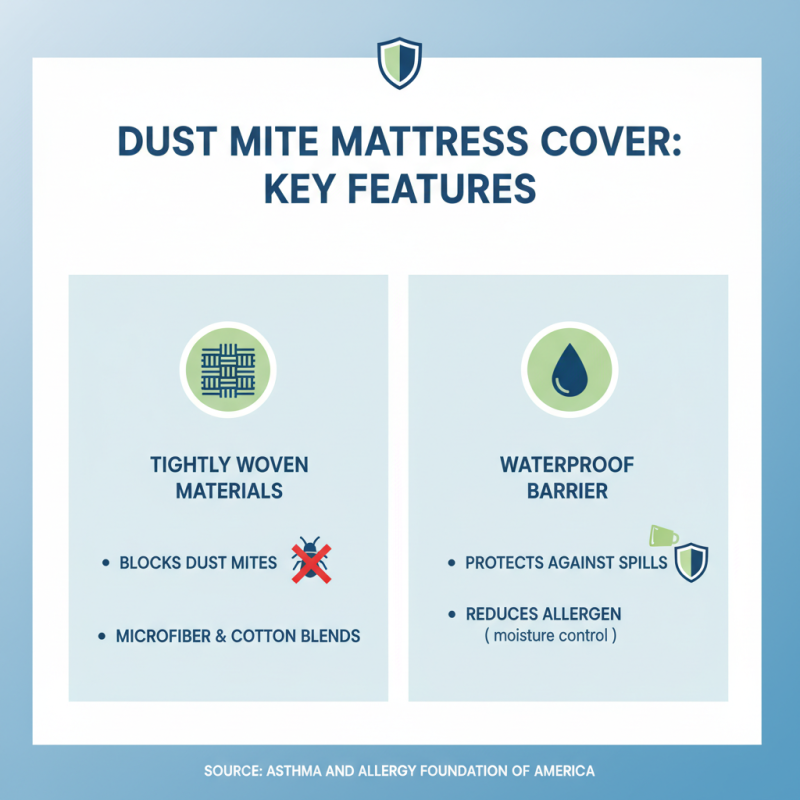
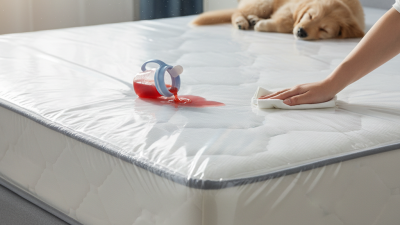
When selecting the best dust mite mattress cover, understanding key features is essential. Look for covers made from tightly woven materials. Microfiber and cotton blends work well. These fabrics can block dust mites effectively. A reliable cover should also have a waterproof barrier. This adds protection against spills and contaminants. According to the Asthma and Allergy Foundation of America, moisture can increase allergens in bedding.
Consider the zipper quality. A sturdy zipper prevents dust mites from sneaking in. Covers should be fully encased, covering all sides of the mattress. This design creates a barrier without gaps. Some studies suggest that covers can reduce dust mite allergen levels by up to 98%.
Tip: Regularly wash your mattress cover. Use hot water to eliminate allergens. Aim for at least once a month. Choose a cover that is machine washable for convenience.
While many covers claim to be effective, not all meet the highest standards. Always check for allergen protection certifications before purchase. Quality varies, and some fabrics may wear down more quickly than expected. Selecting a durable cover is crucial for long-term allergy management. Assess features carefully to ensure the best fit for your needs.
Material Choices: Which Fabrics Are Best for Allergy Sufferers?
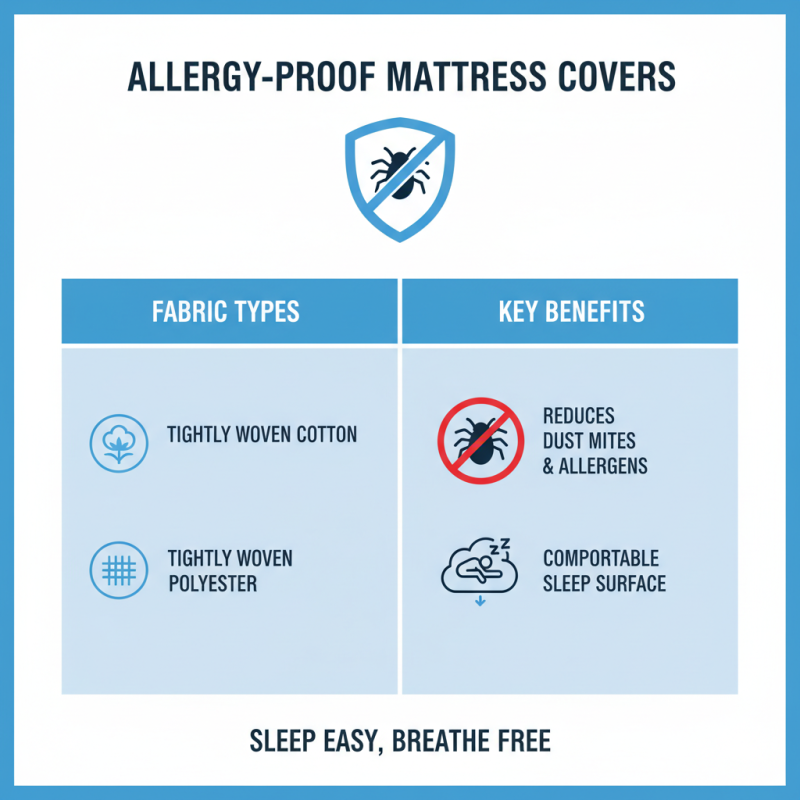
When choosing a mattress cover for allergies, fabric selection is crucial. Many materials offer protection against dust mites. Popular choices include tightly woven fabrics such as cotton and polyester. These fabrics can reduce allergen exposure while being comfortable for sleep.
Consider using hypoallergenic materials. Microporous membranes are another effective choice. They block dust mites and allow moisture to escape. However, these may feel less breathable than other fabrics, which can be a drawback. Remember to think about your personal comfort while making a selection.
Tips: Always check labels for hypoallergenic claims. Feel the texture before purchasing. You want a soft, inviting surface. Don’t overlook care instructions either. Frequent washing is essential to maintain allergen protection.
In some cases, blends of natural and synthetic fibers work well. The right blend can offer durability and comfort. However, you might find it takes time to adjust to different textures. Experimenting with various options is key to finding what works best for you.
How to Properly Measure for a Dust Mite Mattress Cover
Measuring for a dust mite mattress cover can be simpler than you think. Start by gathering your tools: a measuring tape and a notepad. Remove all bedding and measure the length, width, and height of your mattress. Be precise. Even a small mistake can lead to a poor fit.
When you measure, consider the type of mattress you have. Some mattresses are thicker than others, and this affects the cover size. It's crucial to account for any additional padding or toppers you might use. If your mattress has a unique shape, note this down. It may require a custom cover, which is something to ponder.
After taking measurements, always double-check your numbers. It’s easy to misread or miscalculate. Remember, a cover that’s too small won’t protect you effectively, while one that's too large may shift and expose your mattress. And yes, not all covers are equal, so thoughtful choices matter. You might notice trends but don’t overlook unique features that cater to your specific needs.
Dust Mite Mattress Cover Effectiveness in Reducing Allergies
This bar chart illustrates the change in allergy symptom severity before and after using a dust mite mattress cover. The data shows a significant reduction in allergy symptoms, indicating the effectiveness of mattress covers in managing dust mite allergies.
Care and Maintenance Tips for Your Mattress Cover to Reduce Allergens
To effectively maintain your dust mite mattress cover, regular cleaning is essential. Studies indicate that washing mattress covers every one to two weeks can significantly reduce allergy triggers. Hot water, ideally above 130°F (54°C), helps kill dust mites. However, many people forget this essential step or wash without following the recommended guidelines, which diminishes effectiveness.
It’s also crucial to dry the cover thoroughly. Dampness can promote mold and bacteria growth, counteracting your efforts. Consider using a dryer on high heat for 20 minutes after washing. Ensure the cover is completely dry before putting it back on the mattress. Neglecting this can lead to an unhealthy sleeping environment, even with the best cover.
Additionally, rotating or replacing your mattress regularly impacts how allergens accumulate. Data reveals that an old mattress may house up to 10 million dust mites. Take time to evaluate your mattress condition periodically. A well-cared-for dust mite cover works best on a clean mattress surface. Ignoring these details can lead to ongoing allergic reactions, despite having a protective layer.