How to Choose the Best Dust Mite Mattress Cover for Allergies?

Allergies caused by dust mites affect millions of people worldwide. These tiny creatures thrive in bedding and mattresses, triggering symptoms like sneezing and itching. A reliable solution is the "Dust Mite Mattress Cover." According to a report by the American Academy of Allergy, Asthma, and Immunology, dust mites are a leading cause of indoor allergies. Proper bedding protection can significantly reduce allergen exposure.

Dr. Emily Huang, a leading allergist, emphasizes, "Choosing the right dust mite mattress cover can transform your sleep quality and health." This highlights the importance of making an informed choice. Not all covers are created equal; effectiveness depends on materials and features like thread count and breathability.

While it’s easy to overlook the role of mattress covers, they are essential for allergy sufferers. Research suggests that the right cover can reduce dust mite populations by up to 90%. However, consumers often struggle with misleading marketing claims. It’s crucial to focus on verified products that offer real protection against allergens. This decision can significantly improve one’s quality of life.
How to Choose the Best Dust Mite Mattress Cover for Allergies?

Understanding Dust Mites and Their Impact on Allergies

Dust mites are tiny creatures thriving in our homes. They feed on dead skin cells and can provoke severe allergic reactions. These microscopic pests live in bedding and upholstery. For those with allergies, understanding their impact is crucial.

Allergens from dust mites can trigger sneezing, itching, and respiratory issues. Young children and those with asthma are particularly vulnerable. Regular cleaning may help, but it often isn’t enough to eliminate the problem entirely. This is why a proper mattress cover is essential.

Tips for Choosing a Mattress Cover: Look for covers labeled "hypoallergenic." These are designed to block dust mite allergens effectively. Ensure the cover fits snugly around your mattress. Loose-fitting covers can allow allergens to seep through. Opt for materials that are breathable yet protective. Cotton blends or high-quality polyester tend to work well. Regularly wash the cover in hot water to kill any lingering dust mites. Make this part of your cleaning routine.

Remember, while mattress covers are helpful, they aren't a complete solution. Dust mites can be persistent. Regularly vacuum your bedroom and reduce clutter. Keep humidity levels low, as dust mites thrive in damp conditions. Awareness and proactive steps can significantly improve your quality of life if you have allergies.

How to Choose the Best Dust Mite Mattress Cover for Allergies?

Feature Importance Recommended Material Washable
Allergen Barrier Prevents dust mites from penetrating the mattress Microfiber or special allergen-blocking fabric Yes
Airflow and Breathability Ensures comfort and prevents overheating Cotton or breathable polyester Yes
Water Resistance Protects against spills and stains Polyurethane laminate (PUL) Depends on the cover
Ease of Care Simplifies maintenance and hygiene Machine washable materials Yes
Durability Long-lasting protection against allergens High-tenacity fabrics Yes

Key Features to Look for in Dust Mite Mattress Covers

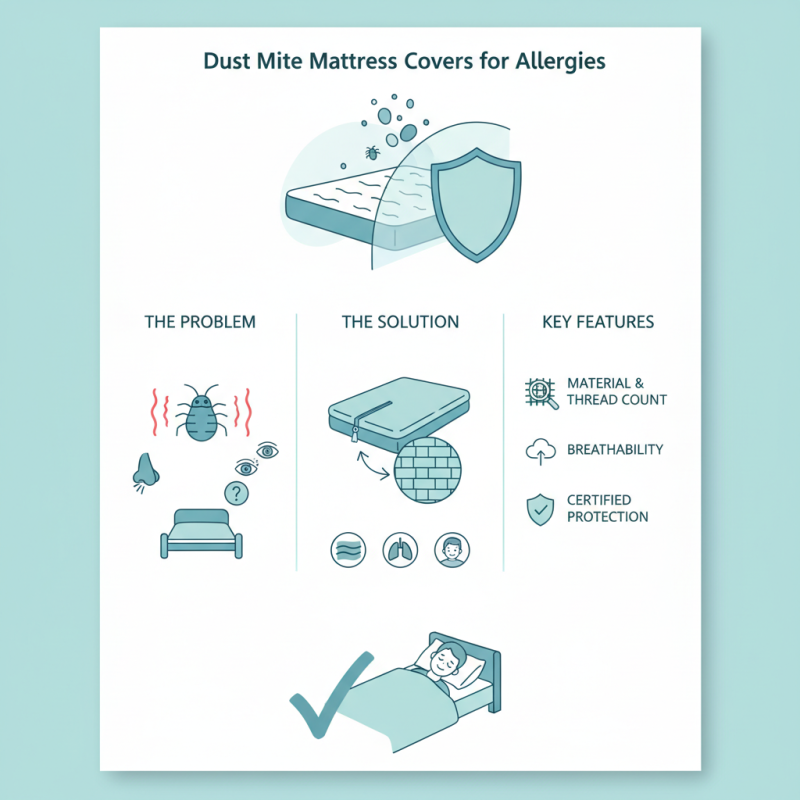
When selecting a dust mite mattress cover, consider key features that ensure effectiveness against allergens. Look for covers made from tightly woven fabrics. These materials create a barrier that keeps dust mites from penetrating. A good cover should have a thread count of at least 250. This density helps maintain its integrity while providing comfort.


Waterproof options are also beneficial. They protect your mattress from spills and sweat. This added layer of protection keeps the mattress dry, creating an unwelcoming environment for dust mites. Additionally, ensure the cover has a zippered closure. This design eliminates gaps, offering complete protection.


Breathability is another important feature. Look for materials that allow air circulation. This prevents heat build-up, which can lead to discomfort during sleep. Some covers even come with hypoallergenic properties. These can reduce allergy symptoms effectively. Not every cover will suit your needs. Testing different materials can help you find the right fit. Remember, a cover is only as good as its fit and comfort.

Materials and Fabric Choices for Allergy-Specific Mattress Covers

How to Choose the Best Dust Mite Mattress Cover for Allergies?

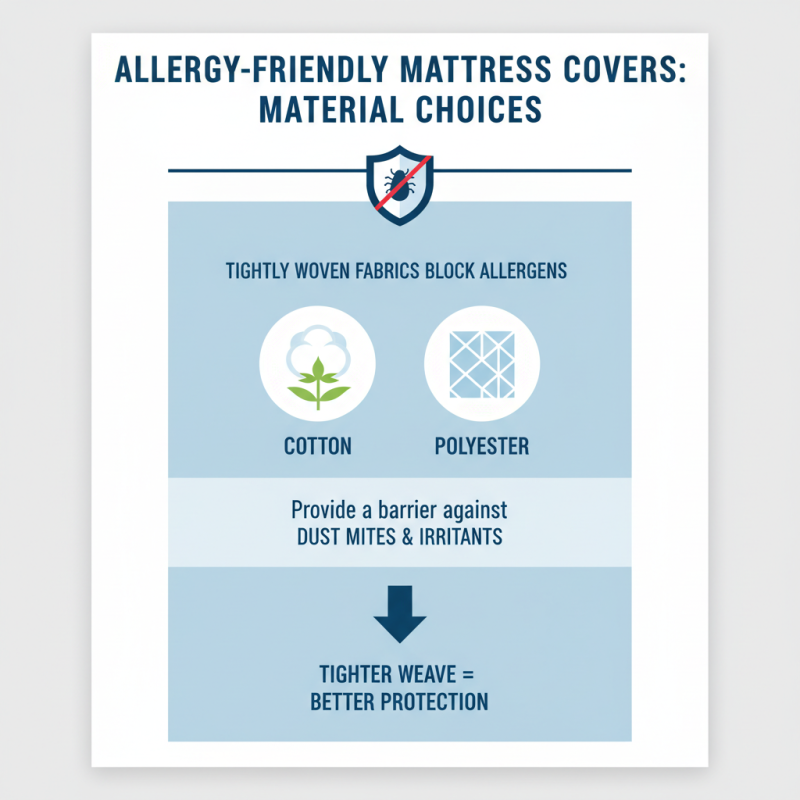
When choosing a dust mite mattress cover, materials play a crucial role. Look for tightly woven fabrics, like cotton or polyester. These materials can effectively block allergens. They provide a barrier against dust mites and other irritants. The tighter the weave, the better the protection.

Another option to consider is hypoallergenic materials. These can minimize allergic reactions for sensitive individuals. Some people may prefer covers infused with antimicrobial agents. These features can further enhance protection by reducing bacterial growth.

Softness is also important. A cover should feel comfortable while sleeping. Remember that breathability matters too. Your body needs to regulate temperature throughout the night. A cover that traps heat can lead to discomfort. Selecting the right material requires weighing your preferences. Each choice has its pros and cons. Take time to reflect on what matters most for your specific needs. Your sleep quality and health depend on it.

How to Properly Care for and Maintain Your Mattress Cover

How to Choose the Best Dust Mite Mattress Cover for Allergies?

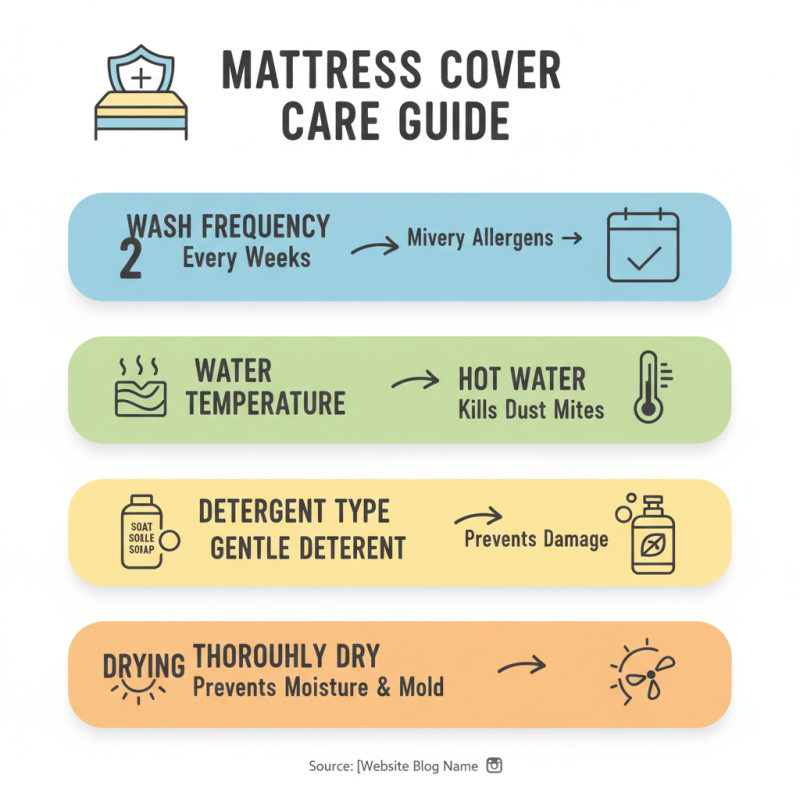
Maintaining your dust mite mattress cover is essential for reducing allergens in your bedroom. Regular cleaning is crucial. You should wash the cover at least every two weeks. Use hot water to ensure dust mites are eliminated effectively. A gentle detergent works best to prevent damage. Make sure to dry the cover thoroughly to prevent moisture buildup.

Consider using a mattress cover that allows for easy removal. This way, you're more likely to clean it regularly. If you notice any stains, treat them promptly. Stains can attract dust mites, worsening allergy symptoms. Vacuuming your mattress every few months is also beneficial. Use a vacuum with a HEPA filter to capture allergens effectively.

Storing your mattress cover properly is also vital. Keep it in a dry, cool place when not in use. Avoid damp areas, as they promote mold growth. Check the care instructions on your cover. This helps you maintain its effectiveness against allergens. Your efforts will pay off with a healthier sleeping environment.

Evaluating Effectiveness: Comparing Top Dust Mite Mattress Covers

When comparing top dust mite mattress covers, effectiveness is key. Look for covers with tightly woven fabrics. These materials can prevent dust mites from penetrating. Opt for hypoallergenic options, which are designed to reduce allergens. Not everyone reacts the same way, so testing is important.

Consider different styles and features. Some covers are waterproof, protecting against spills and stains. Others are breathable, ensuring comfort during sleep. Measure your mattress correctly to find the best fit. A loose cover may not provide adequate protection.

Reviews from certified sources can provide insights. Look for independent testing results. User feedback is also valuable. Some people may feel a material is too hot or uncomfortable. Reflecting on individual experiences can assist in making the right choice for your needs.

Effectiveness Comparison of Dust Mite Mattress Covers