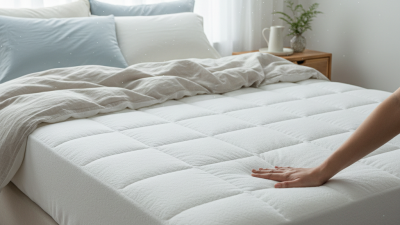
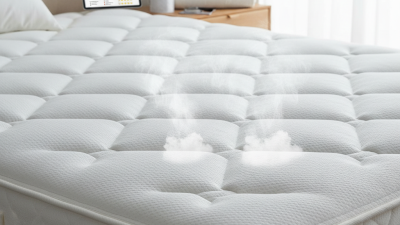
Best Mattress Cover Options for 2026 Buyers Guide?
In the quest for a good night’s sleep, a quality mattress cover plays a crucial role. As per industry reports, nearly 30% of sleepers experience discomfort due to inadequate bedding. Choosing the right mattress cover can enhance comfort, reduce allergens, and prolong mattress life. Experts note that certain materials, such as memory foam and breathable fabrics, can significantly impact sleep quality.
Research from the National Sleep Foundation highlights that 60% of individuals value mattress covers for their protective qualities. Users often overlook this essential bedroom component. However, a well-chosen mattress cover can protect against spills, dust mites, and wear. It's surprising how a seemingly simple choice can alter your sleep experience.
Despite the abundance of options available, many consumers remain confused by the variety of features and claims. For instance, water-resistant covers might promise protection but can trap heat, leading to discomfort. As we approach 2026, understanding different materials and their benefits becomes more essential than ever. This guide aims to navigate the complexities and assist buyers in making informed decisions.
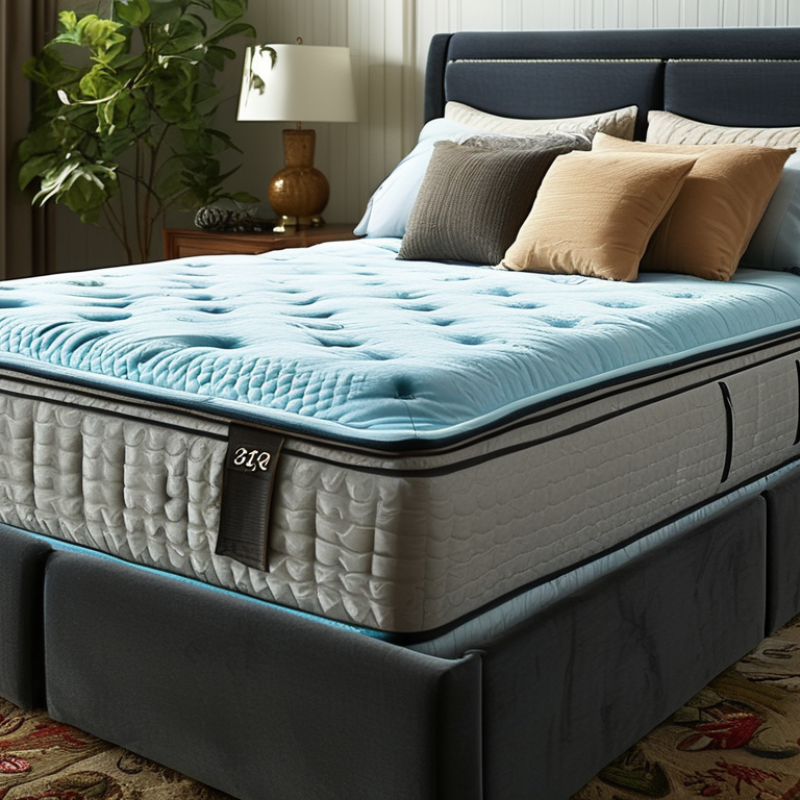
Top Features to Look for in a Mattress Cover
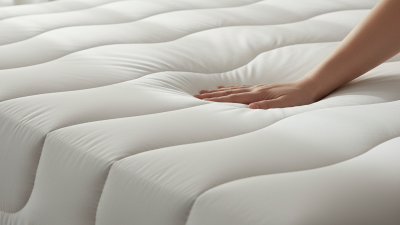
When choosing a mattress cover, it’s essential to consider various features that enhance comfort and protection. Look for materials that offer breathability. Organic cotton and bamboo blends are excellent choices. These fabrics prevent overheating during the night. A cover that is both soft and durable will ensure longevity while providing a cozy sleep experience.
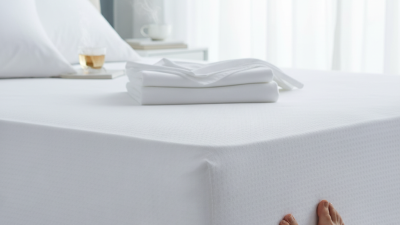
Another crucial aspect is waterproof protection. A waterproof mattress cover safeguards your investment from spills, allergens, and dust mites. It’s vital for maintaining a clean sleeping environment. Be mindful of the cover’s fit; an elasticized edge guarantees that the cover stays in place. This is particularly important for restless sleepers.
Lastly, consider the ease of cleaning. A machine-washable cover simplifies maintenance. However, not all covers handle multiple washes well. It’s important to read reviews for long-term durability. A warranty can reflect the manufacturer’s confidence in their product. This can also be a sign of reliability for potential buyers.
Types of Mattress Covers: Waterproof, Allergens, and More
When selecting a mattress cover, one must consider various types.
Waterproof covers are essential for protecting against spills and accidents.
They act as a barrier, preventing liquid from reaching the mattress. This feature is especially important for families with young children or pets.
Many waterproof options also provide breathability, ensuring comfort while sleeping.
Allergen-proof covers are another vital option. These covers help shield against
dust mites, mold, and allergens. They are often made from tightly woven fabrics that create a physical barrier.
This protection is crucial for individuals with allergies or asthma. Using such covers can significantly improve the quality of sleep.
It's essential to reflect on your needs when choosing a cover. Some people prefer natural materials, while others may prioritize durability.
Each choice has its pros and cons. The perfect cover for one may not suit another.
Balancing comfort, protection, and personal preference is key in making a wise investment.
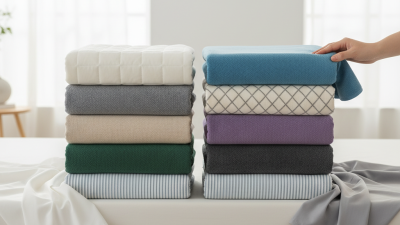
Material Comparison: Cotton, Polyester, Bamboo, and Others
Choosing the right mattress cover involves understanding various materials.
Cotton is a popular choice for its breathability and softness.
It naturally regulates temperature, making it suitable for warm climates. Cotton covers are also easy to wash,
but they may wrinkle and require more maintenance.
Polyester offers durability and resistance to stains.
This synthetic fabric is often more affordable than cotton. It's easy to clean and usually dries quickly.
However, polyester may trap heat, leading to discomfort during warmer nights.
Bamboo is gaining attention for its eco-friendliness.
It's naturally moisture-wicking and hypoallergenic, providing a healthier sleep environment.
Bamboo covers are often soft and smooth, but they may be less durable than synthetic options.
Reflecting on the advantages and drawbacks of each material is essential.
The choice ultimately comes down to personal preferences
and sleep needs.
Maintenance Tips for Keeping Your Mattress Cover Fresh
Keeping your mattress cover fresh is essential for a good night’s sleep. Regular maintenance helps eliminate dust mites and allergens. Wash your mattress cover every month. Use a gentle detergent. Hot water can help kill bacteria. Always double-check the care label before washing.
Consider spot cleaning any stains as they occur. Blot instead of rubbing the area. This prevents the stain from spreading. Airing out your mattress cover can also help. Leave it outside on a sunny day. The sun’s UV rays can help kill germs and keep your cover smelling fresh.
Check for wear and tear often. A sagging or damaged cover may not provide effective protection. If you notice any issues, it may be time to replace it. Addressing these concerns promptly can prolong its life. Don't let neglect take a toll on your sleep health.
Budget Considerations: Finding Quality within Your Price Range
When looking for a mattress cover in 2026, price is a crucial factor. The mattress industry indicates that consumers often spend between $25 and $150 on covers. Interestingly, a comprehensive study reveals that the mid-priced segment, around $75, often offers the best balance between quality and affordability.
Material choices greatly influence prices. Cotton covers can be breathable and soft but may cost more. Synthetic options can fit tighter budgets but often sacrifice durability. According to the Sleep Foundation, 30% of consumers reported that they regret not investing more in quality materials.
Size also matters when considering budget. Twin and full-size covers can be significantly cheaper than their king-size counterparts. A report from the International Sleep Products Association suggests that size discrepancies can lead to a 40% price variance. Buyers should prioritize what fits best within their budget while ensuring they don’t compromise on essential features like waterproofing or allergen resistance.