Best Pillow Protector Fabric Options for Ultimate Comfort and Protection?
When it comes to choosing the best Pillow Protector Fabric, comfort and protection go hand in hand. Dr. Emily Huang, a renowned sleep expert, once stated, “The right pillow protector can enhance your sleep quality.” Many overlook this essential piece when creating a restful sleeping environment.
Pillow protector fabrics come in various materials, each offering unique benefits. Cotton is breathable, while microfiber provides moisture-wicking properties. Some fabrics even have hypoallergenic features to combat allergens. Yet, not all options deliver the same experience. Users often find themselves dissatisfied with cheaper choices that wear out quickly.
Investing in quality Pillow Protector Fabric pays off in the long run. It’s crucial to assess how these protectors impact your overall comfort. Ask yourself: Is this fabric truly meeting my sleep needs? Sometimes, the perfect protector requires a bit of trial and error. Remember, your sleep quality is worth it.
Introduction to Pillow Protectors: Importance and Benefits
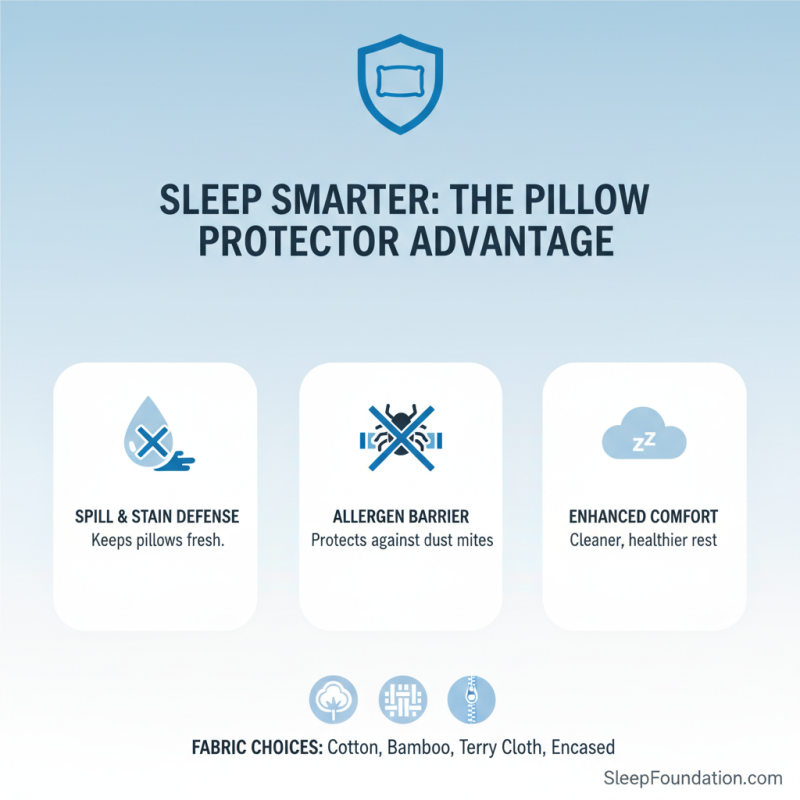
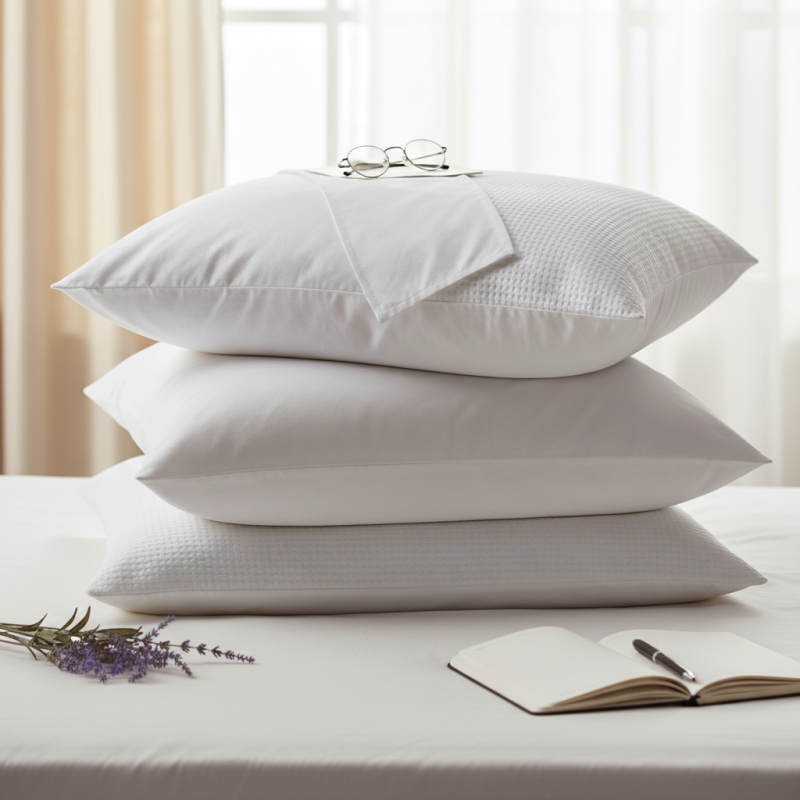
Pillow protectors are essential for maintaining hygiene and comfort. They shield pillows from spills, stains, and allergens. With various fabric options available, finding the right one can significantly enhance your sleep experience.
Consider materials like cotton for breathability and moisture-wicking. It's soft against your skin and reduces heat buildup. Alternatively, polyester blends offer durability and resistance to wrinkles. However, some synthetic fabrics can trap heat, potentially disrupting your sleep. Natural fibers like bamboo provide a cool feel and hypoallergenic properties, making them ideal for sensitive sleepers.
Not all pillow protectors are created equal. Some may feel scratchy, while others may not fit well. It's crucial to check for zippers and seams. A poorly designed protector could affect your pillow's comfort. Always assess how a protector complements your pillow rather than just protecting it. Your sleep quality deserves this attention to detail.
Common Fabrics Used in Pillow Protectors and Their Properties
When choosing a pillow protector, the fabric matters greatly. Common options include cotton, polyester, and bamboo. Cotton is breathable and soft. It helps to keep the pillow cool during sleep. However, it may lose its shape over time. Polyester offers durability and is often less expensive. It can trap heat, which might not be ideal for hot sleepers.
Bamboo fabric is gaining popularity due to its natural properties. It’s hypoallergenic and moisture-wicking. This makes it a suitable option for allergy sufferers. Yet, it can be more expensive than cotton or polyester. Another option is terry cloth. It’s absorbent and feels plush. However, it may not be as breathable as others. Finding the right balance between comfort and protection is essential. Different fabrics have unique benefits and drawbacks that require consideration.
Best Pillow Protector Fabric Options for Ultimate Comfort and Protection
Top 5 Fabrics for Comfort: Cotton, Microfiber, Bamboo, and More
When it comes to pillow protectors, fabric choice can significantly impact sleep quality.
Cotton is a popular option due to its breathability and softness.
According to industry reports, 40% of consumers prefer cotton for its natural fibers.
This choice often leads to enhanced comfort, especially for those with sensitive skin.
However, cotton can absorb moisture, which may not be ideal for everyone.
Microfiber is another fabric that has gained traction. It’s known for its durability and stain resistance.
Some studies suggest that microfiber pillow protectors can prevent allergens from settling in pillows.
Yet, it can trap heat, making it uncomfortable for individuals who sleep hot.
This presents a dilemma for those seeking both protection and comfort.
Bamboo fabric is a rising contender in the market.
Its hypoallergenic properties attract many consumers. Bamboo also offers excellent moisture-wicking capabilities.
However, it may not be as readily available or familiar to everyone.
Overall, choosing the right fabric for pillow protectors can be subjective, where personal comfort must weigh against functionality.
This balance is essential for a good night's sleep.
Waterproof Options: How TPU and Vinyl Offer Superior Protection
Choosing the right pillow protector fabric can significantly enhance your sleep experience.
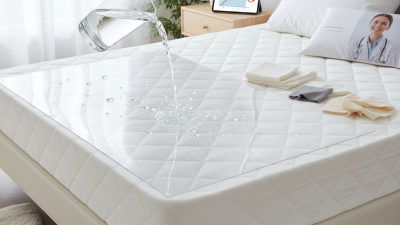
Waterproof options like TPU (Thermoplastic Polyurethane) and vinyl are popular choices for those seeking superior protection.
TPU is a breathable material that allows for air circulation, minimizing heat retention. It's soft to the touch, creating a comfortable sleeping surface.
On the other hand, vinyl is known for its robust waterproof capabilities but can sometimes feel less pleasant against the skin.
While both materials offer excellent protection from spills, allergens, and dust mites, they have distinct characteristics. TPU is often favored for its flexibility and durability.
However, it may not be as resistant to punctures as vinyl. Choosing the wrong protector can lead to discomfort or compromised pillow quality. Some users might find that vinyl's durability can outweigh its lack of breathability,
particularly in warmer climates. It's essential to weigh these factors before making a decision.
A good pillow protector not only shields your pillow but also contributes to a better night's sleep. Reflecting on your preferences and needs is crucial.
Consider how heat retention, softness, and waterproofing align with your comfort.
Making an informed choice can elevate your sleep quality.
Tips for Choosing the Right Pillow Protector Fabric for Your Needs
Choosing the right pillow protector fabric is essential for comfort and hygiene. Many reports indicate that nearly 20% of people experience allergic reactions while sleeping. Opting for hypoallergenic materials can significantly reduce this risk. Cotton and bamboo-derived fabrics are popular for their breathable properties. They prevent moisture buildup, which can lead to mold and dust mites. Research shows that cotton can absorb up to 24 times its weight in moisture, making it a top pick.
Silk is another fabric option that offers a luxurious feel. It can help maintain healthy skin as it reduces friction. However, silk requires more care and might not be practical for everyone. Some users might struggle with cleaning and maintaining silk pillow protectors compared to more durable fabrics. Protectors made from polyester blends offer a budget-friendly alternative. These fabrics tend to be more stain-resistant but may not provide the same level of comfort.
When choosing a protector, think about your sleep position and potential allergies. If you sleep hot, consider materials that wick moisture away. Those with sensitive skin might prefer softer textures. It's important to reflect on what matters most to you. Comfort and protection can vary based on individual needs, and it's okay to experiment until you find the perfect fit.