10 Best Waterproof Fabrics for Bedding to Keep You Dry and Comfortable
When it comes to creating a comfortable and restful sleep environment, the importance of choosing the right materials for your bedding cannot be overstated. Among the various options available, waterproof fabric for bedding stands out as an essential choice for those looking to maintain both hygiene and comfort. Whether you are dealing with unexpected spills, nighttime accidents, or the natural wear and tear of everyday use, a high-quality waterproof fabric can provide a protective barrier that keeps your bedding dry and fresh.
In this guide, we will explore the ten best waterproof fabrics for bedding, highlighting their unique features and benefits. From breathable options that prevent overheating to durable materials designed for long-lasting use, we will cover a range of choices to suit different preferences and needs. Emphasizing both functionality and comfort, these fabrics are perfect for anyone looking to enhance their sleep experience while ensuring their bedding remains protected from moisture. Our goal is to help you find the perfect waterproof fabric for bedding that not only meets your practical requirements but also contributes to a serene and inviting sleep environment.
Top Characteristics of Waterproof Fabrics for Bedding
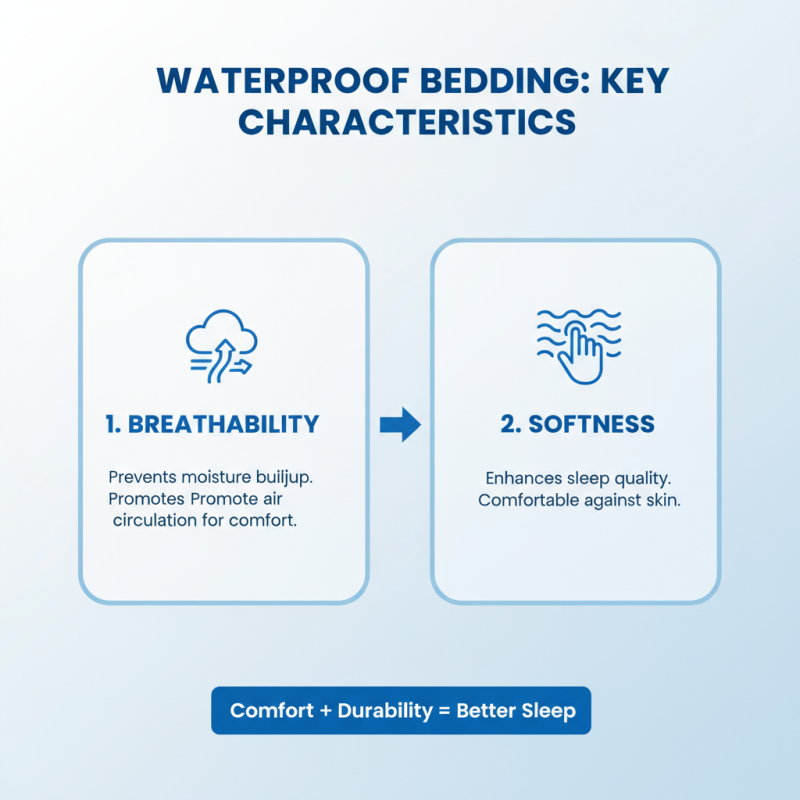
When it comes to selecting waterproof fabrics for bedding, several key characteristics ensure both comfort and durability. First and foremost, breathability is crucial. A fabric that promotes air circulation prevents moisture buildup, allowing for a comfortable sleeping environment. Additionally, softness matters; the tactile experience of the fabric against your skin can significantly affect your sleep quality. Look for fabrics labeled as both waterproof and soft to the touch for an optimal experience.
Another important trait is the fabric's ability to resist wear and tear while maintaining waterproofness. High-quality waterproof fabrics are designed to withstand the rigors of daily use, ensuring longevity. They should also be stain-resistant and easy to clean, adding to their practicality for bedding. Pay attention to the construction of the fabric as well, as tightly woven fibers can enhance moisture resistance while providing a cozy feel.
Tips: When choosing waterproof bedding, consider materials like microfiber or polyurethane-coated fabrics for their optimal balance of comfort and function. Also, opting for fabrics with a natural finish can help reduce discomfort associated with synthetic options. Regularly check care instructions to maintain the protective qualities of your bedding while enhancing its durability.
Popular Types of Waterproof Fabrics and Their Features
When it comes to waterproof fabrics for bedding, several popular types stand out for their unique features and benefits. One of the most commonly used materials is
polyurethane laminate (PUL), which is known for its excellent waterproof properties while remaining breathable.
PUL easily adapts to different bedding styles and is often used in mattress protectors and pillow covers. Similarly,
vinyl is a highly durable option that offers a strong barrier against moisture, making it suitable for environments where spills and accidents are likely, such as children's bedrooms.
Another noteworthy fabric is
nylon, particularly in its treated form. Treated nylon features a special coating that repels water while maintaining a lightweight and soft feel, making it an ideal choice for sheets and duvet covers.
Additionally,
microfiber blends are gaining popularity due to their plush texture and resistance to water penetration, offering both comfort and practicality for bedding.
Finally, breathable waterproof membranes are also increasingly favored for high-performance bedding products, providing protection against moisture without sacrificing air circulation, ensuring a comfortable sleep environment.
Benefits of Using Waterproof Fabrics in Bedding
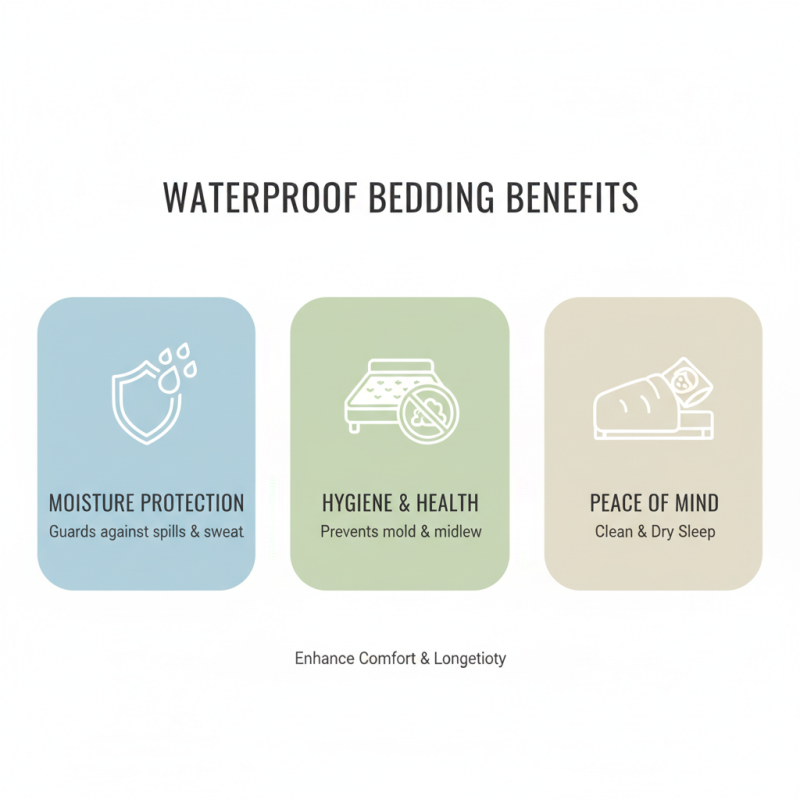
Waterproof fabrics in bedding offer a multitude of benefits that enhance comfort and hygiene. One of the primary advantages is the protection they provide against moisture, which can stem from spills, sweat, or even humidity. This moisture protection helps to create a clean and dry sleeping environment, reducing the risk of mold and mildew development, which can be detrimental to both health and the lifespan of the bedding. Users can enjoy peace of mind knowing that their bedding is safeguarded against unexpected accidents or leaks.
In addition to their protective qualities, waterproof fabrics contribute to overall comfort. Many modern waterproof materials are designed to be breathable, ensuring that they don't trap heat or moisture, which can disrupt sleep. This balance between waterproofing and breathability is crucial, as it allows for a comfortable night's rest without the clamminess often associated with traditional waterproof options. Overall, investing in waterproof fabrics for bedding enhances both the longevity of the textiles and the quality of sleep, making it an excellent choice for anyone seeking a more practical and enjoyable bedding solution.
How to Maintain and Care for Waterproof Bedding Fabrics
Caring for waterproof bedding fabrics is essential to ensure their longevity and effectiveness. Begin by following the manufacturer's care instructions, as different materials may have specific requirements. Most waterproof fabrics can usually be washed in cold or warm water, but avoid using harsh detergents that could damage the fabric's protective coating. Instead, opt for a gentle detergent that is free of bleach or fabric softeners, as these can compromise the waterproof qualities over time.
Drying waterproof bedding properly is equally important. While air drying is the safest method, if you choose to use a dryer, select a low heat setting to minimize the risk of melting or damaging the waterproof membrane. Regularly inspect the bedding for any signs of wear or damage, as even small tears can lead to reduced effectiveness. If you notice any degrading, consider repairing or replacing the items to maintain the protective features that help keep your bedding dry and comfortable.
10 Best Waterproof Fabrics for Bedding to Keep You Dry and Comfortable - How to Maintain and Care for Waterproof Bedding Fabrics
| Fabric Type |
Waterproof Level |
Breathability |
Durability |
Care Instructions |
| Polyester with TPU Coating |
High |
Moderate |
Very Durable |
Machine wash cold, tumble dry low |
| Nylon Fabric |
Medium |
High |
Durable |
Hand wash recommended, air dry |
| Vinyl Coated Fabrics |
Very High |
Low |
Medium |
Wipe clean with a damp cloth |
| Omni-Shield Fabric |
High |
Moderate |
Very Durable |
Machine wash warm, tumble dry low |
| Microfiber |
Medium |
High |
Durable |
Machine wash cold, low heat drying |
| Silicone Coated Fabrics |
Very High |
Moderate |
Very Durable |
Wipe with a damp cloth, do not bleach |
| Softshell Fabrics |
High |
Very High |
Durable |
Machine wash, tumble dry low |
| Taffeta Fabric |
Medium |
Moderate |
Medium |
Hand wash or dry clean |
| Canvas with Waterproof Treatment |
High |
Low |
Very Durable |
Spot clean only |
Choosing the Right Waterproof Fabric for Your Specific Needs
When selecting waterproof fabrics for bedding, it’s crucial to consider your specific needs. Different fabrics serve various purposes and offer distinct benefits. For example, if you're looking for a waterproof option that also provides breathability, you might consider a fabric that combines waterproof technology with moisture-wicking properties. This ensures that while you are protected from spills and accidents, you also remain comfortable and dry throughout the night.
Tips: Pay attention to the fabric's breathability, especially if you tend to sweat at night. Look for options with a moisture barrier that doesn't compromise airflow. Additionally, consider the durability of the fabric—some waterproof materials can wear down over time, so opting for those that are designed to withstand frequent washings is wise.
Another essential factor is the softness and comfort of the fabric. Waterproof treatments can sometimes make materials feel stiff or plastic-like. Choosing fabrics that use advanced technology to remain soft while still providing a waterproof layer will enhance your sleeping experience. Always check for certifications or customer reviews that indicate the feel of the material before making a selection.
Tips: When trying out different fabrics, if possible, feel them in person to gauge their comfort level. Additionally, consider layering options such as waterproof mattress protectors or sheets, which can provide extra protection without sacrificing your bedding’s overall feel. By focusing on your specific needs, you can find the perfect waterproof fabric for a dry and comfortable night's sleep.