10 Best Waterproof Pillow Cases for a Restful Sleep Experience
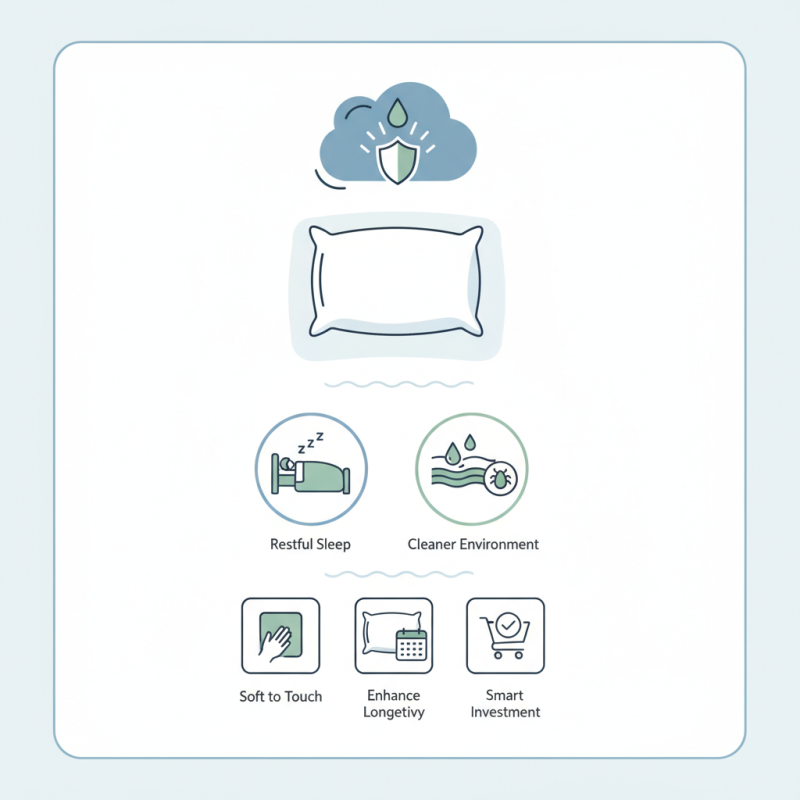
Finding the right pillow can transform your sleep quality. However, even the best pillows can suffer from wear over time. That's where waterproof pillow cases come into play. They act as a barrier against spills, sweat, and allergens, enhancing the longevity of your pillow.
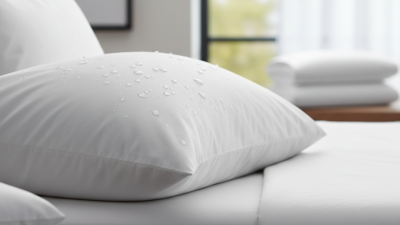
Using waterproof pillow cases can provide a cleaner sleep environment. These cases are often made from high-quality materials that are soft to the touch. They repel liquids and moisture effectively, ensuring you wake up refreshed. You might think they’re cumbersome, but modern designs offer comfort without compromising quality.
Selecting a waterproof pillow case requires attention to detail. Not all products are created equal. Some may feel stiff or noisy, detracting from your restful sleep experience. Explore various options to find ones that balance comfort and functionality. Reflect on your needs and preferences, and invest wisely in your sleep.
Top Features to Consider in Waterproof Pillow Cases
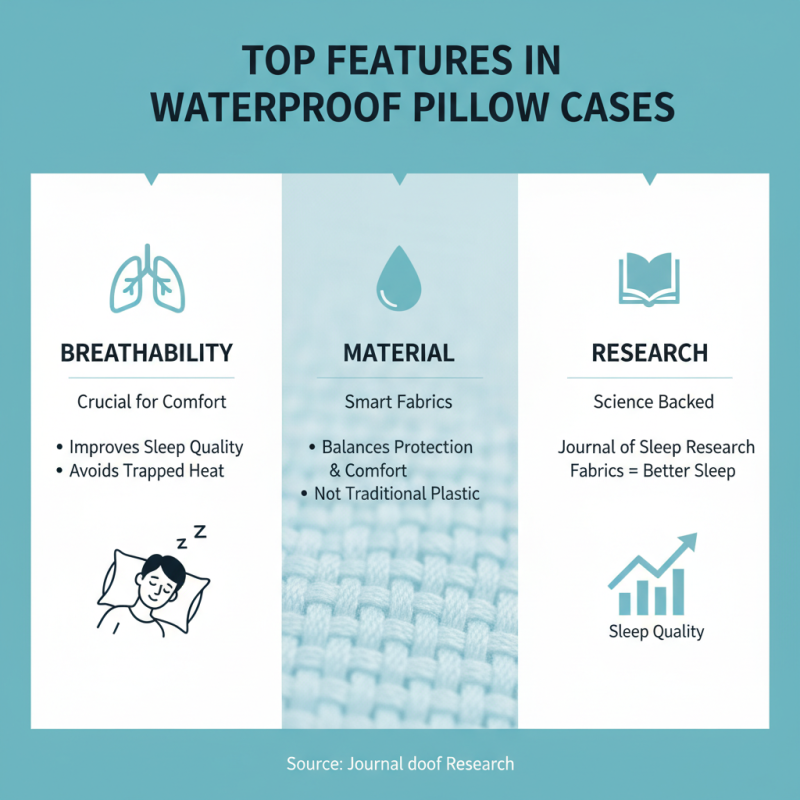
When choosing waterproof pillow cases, certain features are paramount. The material's breathability is crucial. According to a study published in the Journal of Sleep Research, breathable fabrics significantly improve sleep quality. Traditional plastic coatings can trap heat, making sleep uncomfortable. Look for breathable waterproof materials that balance protection and comfort.
Another essential aspect is ease of cleaning. Waterproof pillow cases often encounter spills and stains. The ability to machine wash and quickly dry them is vital. Reports indicate that hassle-free cleaning contributes to longer product life spans. A durable pillow case withstands repeated washes, making it a sound investment.
Additionally, consider the fit and design. Many people overlook how the size impacts sleep. A well-fitting pillow case stays securely in place, preventing disruptions during the night. According to a report by the National Sleep Foundation, a good fit can minimize movement and enhance restful sleep. However, it’s common for consumers to underestimate the importance of this feature. Prioritize both functionality and aesthetics to create a soothing sleep environment.
Benefits of Using Waterproof Pillow Cases for Sleep Quality
Waterproof pillow cases are essential for enhancing sleep quality. They provide a protective barrier against moisture, dust mites, and allergens. In a 2019 study published in the Journal of Sleep Research, researchers found that individuals exposed to allergens had poorer sleep quality. By using waterproof pillow cases, you reduce allergy triggers, promoting a more restful night.
Moreover, these pillow cases can enhance durability. Regular pillow covers often absorb sweat and oils over time, leading to degradation. A report by the National Sleep Foundation highlights that people who maintain clean and fresh bedding report 50% better sleep quality. This means that a waterproof pillow case not only protects the pillow but also contributes to a healthier sleeping environment.
However, it's crucial to choose the right material. Some waterproof pillow cases can be noisy or uncomfortable. A study from the Textile Research Journal showed that comfort ratings dropped significantly for certain materials. Striking a balance between waterproof protection and comfort is vital. Sleeping on an uncomfortable surface can lead to tossing and turning, ultimately undermining the benefits of having a waterproof case.
Material Options for Waterproof Pillow Cases: Pros and Cons
Waterproof pillow cases come in various materials, each with unique pros and cons. Understanding these options can lead to a more restful sleep experience.
Polyester is a common choice for waterproof pillow cases. It’s durable and easy to clean, making it a practical option for daily use. However, polyester can trap heat, which may disrupt sleep. Some users find it less breathable than cotton alternatives.
Cotton, on the other hand, offers softness and comfort. It’s breathable and typically hypoallergenic. Still, not all cotton pillow cases are waterproof without added treatments. This could lead to a potential compromise in protection against spills or allergens. Finding the right balance between comfort and functionality is essential.
Membrane-based materials provide a high level of waterproofing. They often keep liquids out while allowing air circulation. However, these may feel less soft to the touch. Some people prefer the plush feel of cotton next to their skin, leading to a difficult decision. Each material has its trade-offs, and reflecting on individual needs is crucial.
Maintenance Tips for Keeping Waterproof Pillow Cases Clean
Keeping your waterproof pillow cases clean is essential for a restful sleep experience. Start by gently washing them in cold water. This helps retain their waterproof quality. Use a mild detergent to avoid damaging the fabric. Harsh chemicals could compromise their performance.
It's also important to check for any specific care instructions. Some materials may require special handling. After washing, air dry your pillow cases when possible. High heat can ruin the waterproof layer. If you must use a dryer, set it to low heat. This prevents any potential damage.
Regular inspections are necessary as well. Look for signs of wear and tear. Small tears can affect their water-resistant properties. If you notice any defects, consider replacing them. Ensuring your pillow cases are in good condition adds to their longevity. A little effort goes a long way in maintaining their quality and your comfort.
10 Best Waterproof Pillow Cases for a Restful Sleep Experience
Popular Brands Offering High-Quality Waterproof Pillow Cases
Waterproof pillow cases are essential for a restful sleep experience. They protect pillows from spills, sweat, and allergens. According to a recent industry report, nearly 30% of people struggle with allergies at night due to unprotected pillows. High-quality waterproof pillow cases can reduce this concern. Many leading brands invest in innovative materials designed to keep moisture out while remaining breathable.
Choosing the right waterproof pillow case is important. Look for options with a soft touch and noiseless materials. Some cases use TPU (thermoplastic polyurethane), which is both waterproof and comfortable. Ensuring proper fit is also key; a loose cover can lead to discomfort during sleep. Affordable options are available, so there’s no need to compromise on quality.
Tips: Wash your pillow cases regularly to maintain hygiene. Consider using dryer balls to keep them soft in the wash. Remember, even the best waterproof cases need care. Avoid harsh chemicals that may degrade the material over time. Your sleep quality relies on thoughtful choices and maintenance.