China Top Tpu Laminated Fabric for Global Buyers Guide?
As the demand for innovative materials rises, Tpu Laminated Fabric stands out in the textile industry. This versatile fabric is used across various applications, from fashion to industrial use. Global buyers are increasingly looking for high-quality Tpu Laminated Fabric that meets their specific needs.
China has emerged as a major player in the production of Tpu Laminated Fabric, offering a range of options for different industries. However, navigating this market can be challenging. Buyers often face difficulties in assessing quality, reliability, and suitability. It requires diligence to identify suppliers that adhere to international standards.
Understanding the nuances of Tpu Laminated Fabric is essential for informed purchasing decisions. Quality varies significantly among manufacturers. Buyers must consider not just price but also the long-term value of the fabric in their projects. Engaging with suppliers and reviewing product specifications critically is vital.
China's Dominance in TPU Laminated Fabric Production and Market Trends
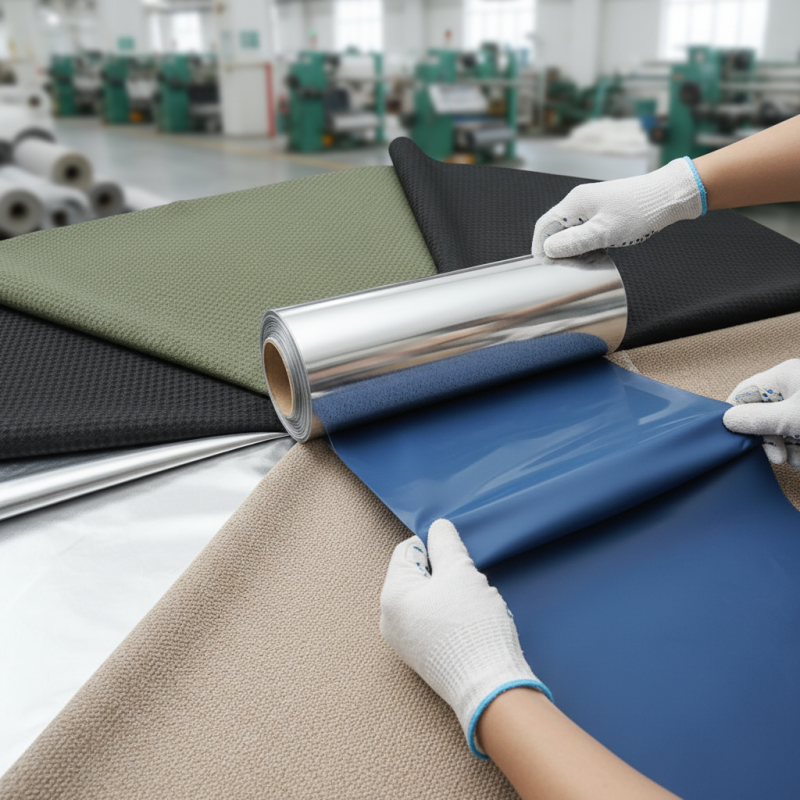
China has established itself as a leading producer of TPU laminated fabric. This material is prized for its durability and versatility. Industries ranging from automotive to fashion now rely on this fabric. Its applications are expanding rapidly, highlighting China's significant contributions to the global market.
The production process is intricate, combining various technologies. Manufacturers in China focus on improving the quality and performance of TPU laminated fabrics. This emphasis on innovation drives market trends. Sustainability is another growing concern. Buyers are increasingly seeking environmentally friendly options, which prompts manufacturers to explore greener methods.
Challenges remain in this evolving landscape. While production costs are competitive, quality control can vary. Some suppliers may not meet international standards, leading to buyer apprehensions. It’s crucial for buyers to perform thorough research before committing. Transparency in sourcing materials and production processes is vital for trust and reliability.
Key Properties and Advantages of TPU Laminated Fabrics for End Users
TPU laminated fabrics have gained attention for their unique properties. These materials are lightweight yet incredibly durable. They are resistant to abrasions and tears, making them ideal for various applications, from outdoor gear to medical products. The flexibility of TPU allows for comfortable wear without sacrificing strength.
End users appreciate the waterproof nature of TPU laminated fabrics. This feature is crucial in industries where moisture resistance is vital. Additionally, these fabrics offer breathability, ensuring comfort in waterproof clothing. The ease of cleaning and maintenance adds to their appeal. However, some may find that the material requires careful handling to maintain its performance over time.
Despite their advantages, TPU laminated fabrics can be expensive compared to other materials. This cost may lead some buyers to rethink their options. Understanding the balance between cost and functionality is essential. Users should consider their specific needs and how TPU fits into their projects. This reflection can help in making informed choices in the fabric selection process.
Global Demand for TPU Laminated Fabrics: Statistics and Growth Predictions
The global demand for TPU laminated fabrics is witnessing impressive growth, driven by various industries. According to a recent market report, the TPU laminated fabric market is projected to expand at a CAGR of 6.5% from 2023 to 2030. This steady increase highlights the fabric's versatility and its applications in outdoor gear, automotive upholstery, and medical supplies.
Asia-Pacific leads in demand, accounting for over 40% of the market share. China's production capabilities significantly contribute to this figure, as it manufactures high-quality TPU laminates. Industries are focusing on sustainable materials, pushing manufacturers to innovate. However, challenges remain. Supply chain disruptions and raw material costs fluctuate, impacting price stability.
Research from industry analysts indicates that advancements in technology will enhance the performance of TPU fabrics. For example, new formulations improve durability and eco-friendliness. Yet, some manufacturers struggle to keep pace with these advancements. They face intense competition and evolving consumer preferences, which require constant adaptation and strategic shifts. The landscape is dynamic, and a proactive approach is essential for success.
Sourcing High-Quality TPU Laminated Fabrics: Guidelines for Buyers
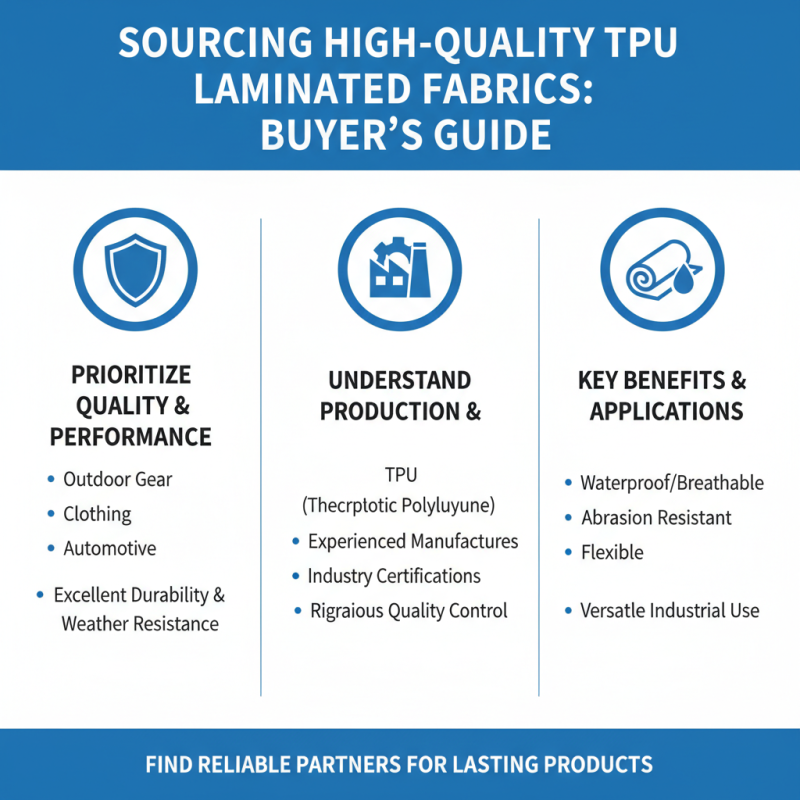
When sourcing TPU laminated fabrics, buyers must prioritize quality and performance. These fabrics are used across various industries, including outdoor gear, clothing, and automotive applications. Understanding the production process is key. TPU, or thermoplastic polyurethane, offers excellent durability and weather resistance. It is essential to find suppliers with experience and industry certifications. Seek manufacturers who focus on rigorous quality control measures to ensure reliability.
Buyers should also consider the specific properties they need. Factors like thickness, color, and texture can affect the final product. Collaborating with suppliers who can provide custom solutions helps address unique project requirements. Explore options for eco-friendly TPU materials, which are becoming increasingly popular. While cost is a factor, avoid sacrificing quality for lower prices. Cheap materials can lead to performance issues and safety concerns.
Communication with suppliers is crucial. Ask detailed questions about their production processes and material sourcing. Trust and transparency build strong relationships. Expect some inconsistencies in information; not all suppliers may be forthcoming. Take time to evaluate samples and assess performance in real-world conditions. This method helps buyers make informed decisions.
Environmental Considerations in TPU Laminated Fabric Manufacturing Process
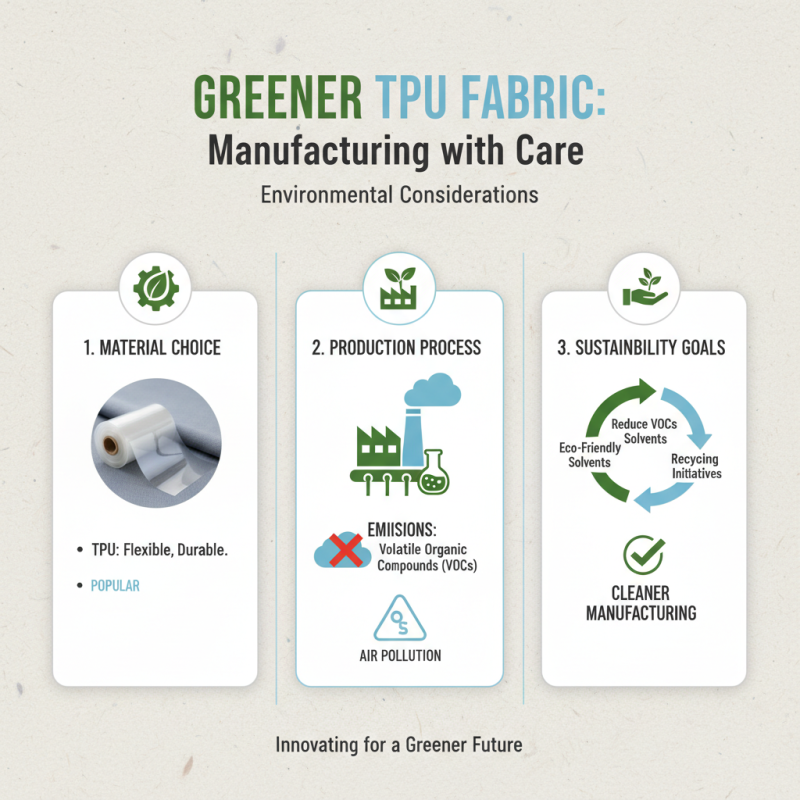
The manufacturing process of TPU laminated fabric raises critical environmental considerations. TPU, or thermoplastic polyurethane, is a popular choice due to its flexibility and durability. However, its production involves specific challenges. According to industry reports, the TPU production process can emit volatile organic compounds (VOCs), which contribute to air pollution. Mitigating these emissions is essential for sustainable manufacturing.
Water usage in TPU fabric production also demands attention. The industry's water footprint can be significant. A study found that about 80% of the water in textile production comes from dyeing and finishing. Reducing water consumption is crucial, as many regions face water scarcity. Companies must reconsider their water management strategies and adopt recycling methods.
Recycling TPU materials offers a way to lessen environmental impact. However, the recycling infrastructure for TPU is still developing. Many manufacturers lack access to effective recycling channels. The future of TPU laminated fabric hinges on creating a closed-loop system. Collaboration among industry stakeholders can drive this change. Adopting sustainable practices is not just a trend; it's a necessity for addressing global challenges. Ultimately, balancing production needs with environmental responsibilities remains a significant hurdle.