How to Choose the Best Bed Bug Mattress Cover for Protection?
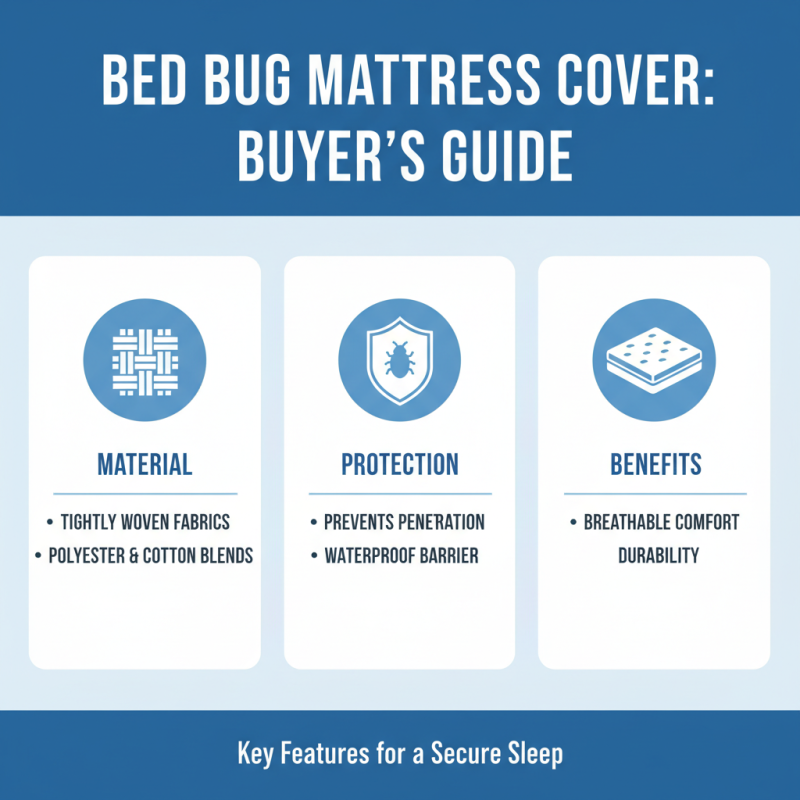
Choosing the right Bed Bug Mattress Cover is crucial for effective protection. Bed bugs are pesky creatures that invade many homes. They hide in mattresses, making them difficult to detect. When selecting a cover, consider fabric, size, and durability. Look for tightly woven materials that can trap these insects.
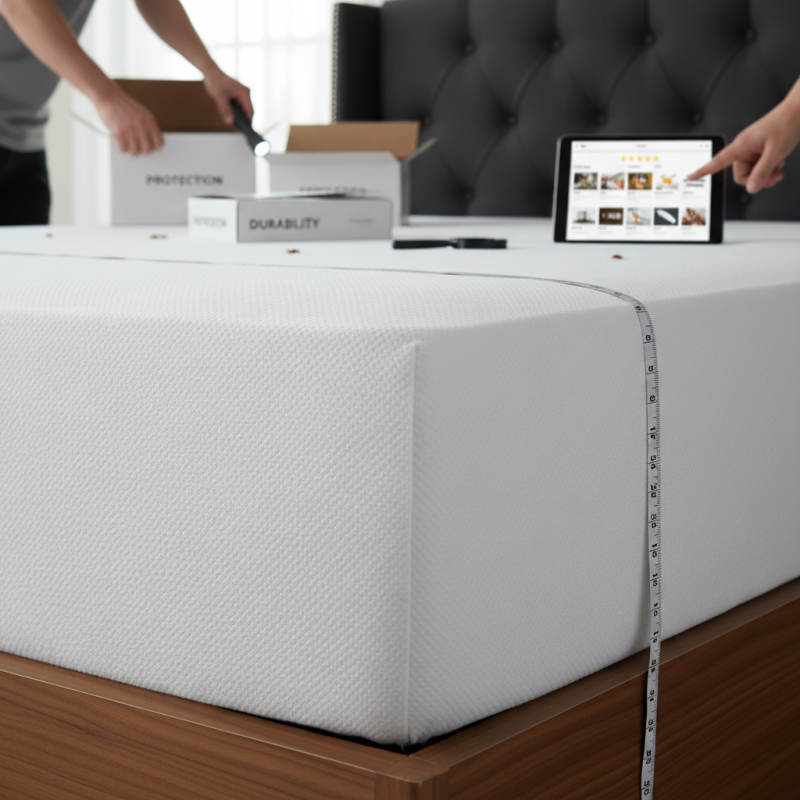
It’s essential to measure your mattress accurately. A poorly fitting cover won’t provide the best defense. You might feel overwhelmed by the options available online. Some products claim to be the best, but not all are equal. Reading reviews can help you make an informed choice.
Remember, even the best Bed Bug Mattress Cover may not be foolproof. You must also implement other pest control methods. Check your bed and surrounding areas regularly. While a mattress cover can provide a barrier, vigilance is key to ensuring a bed bug-free home.
Understanding Bed Bugs and Their Risks to Sleep Environment
Bed bugs are tiny pests that can disrupt our sleep. These nocturnal insects feed on human blood, causing itchy bites. They often hide in mattresses, bedding, and crevices. Their presence can lead to anxiety and sleepless nights. Understanding their behavior is crucial for effective prevention.
In a sleep environment, bed bugs can be a real threat. They reproduce quickly, so an infestation can escalate fast. Simple measures, like regularly checking your mattress, can help. Look for small dark spots or shed skins as signs of an infestation. Even a single bug can lead to a bigger problem.
Many people underestimate the risks associated with bed bugs. They not only disrupt sleep but can also affect mental health. The stress of dealing with an infestation can linger long after the bugs are gone. It’s important to be aware of these risks and take proactive steps to protect your sleep space.
Key Features to Look for in a Bed Bug Mattress Cover
When selecting a bed bug mattress cover, consider crucial features for effective protection. Material is key. Look for high-quality fabrics that provide a barrier against tiny bugs. Covers made from tightly woven fabric are ideal. They prevent bed bugs from entering or escaping. Some covers even have additional waterproof layers, which can be beneficial for overall hygiene.
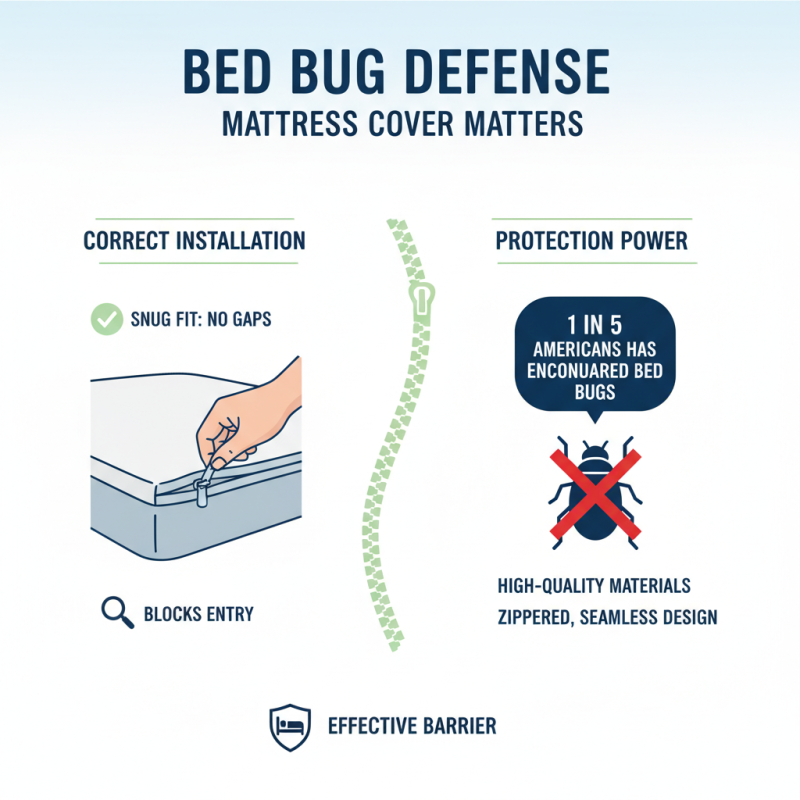
Zipper quality also matters. A sturdy, fully encased zipper ensures that no pests can slip through. Check for zippers that are seamless to enhance protection. A good fit is essential too. Oversized covers may not stay in place well. An awkward fit can lead to gaps, making your efforts futile. A cover should snugly fit your mattress without any loose areas.
Moreover, ease of cleaning is something to reflect on. Machine-washable options save time and effort. Look for covers that maintain durability after multiple washes. This can ensure you don’t compromise on safety over time. Not all covers are created equal, and compromise can sometimes lead to bed bug reinfestation. Take time to research before making a choice.
How to Choose the Best Bed Bug Mattress Cover for Protection?
This chart illustrates the importance level of key features to look for in a bed bug mattress cover. The features evaluated include material quality, ease of cleaning, water resistance, zipper quality, and size options. Ratings are on a scale from 1 to 10, highlighting the significance of these attributes in ensuring effective protection against bed bugs.
How to Properly Install and Maintain Your Mattress Cover
Installing a mattress cover correctly is crucial for effective bed bug protection. First, ensure the cover fits snugly over your mattress. A proper fit blocks entry points for bed bugs. According to the National Pest Management Association, nearly 1 in 5 Americans has encountered bed bugs. This highlights the importance of strong protection measures. Mattress covers should be zippered and made of high-quality materials. A seamless design prevents infestations better than a simple sheet.
Maintenance is just as essential as installation. Regular washing is necessary. The International Journal of Environmental Research advises using hot water and high heat drying. This method kills any potential bed bugs and eggs. Vacuuming your mattress cover can also help, but avoid excessive force. A gentle hand is often overlooked but crucial for durability. Remember, once installed, monitor your mattress cover. Small tears can lead to larger problems down the line. Addressing wear and tear immediately is essential for long-term protection.
Tips for Choosing the Right Size and Fit for Your Mattress
Choosing the right size and fit for your bed bug mattress cover is crucial for effective protection. Measure your mattress dimensions carefully. This includes length, width, and height. A cover that is too small won't fully encase the mattress. An overly large cover can slip off and expose your mattress to pests.
Consider the thickness of your mattress as well. A thicker mattress may require a deeper cover. Some covers are designed for standard sizes, while others accommodate extra depth. Not accounting for depth can lead to poor fit and protection issues. Pay attention to the zipper as well; it should close tightly. Gaps can invite bed bugs to sneak in.
Visualize the cover on your mattress. It should fit snugly without bunching. This visualization helps ensure a secure fit. Remember, not all mattress covers are created equal. Sometimes, what seems perfect may fall short in performance. Reflect on your previous experiences with covers. Were they easy to put on? Did they stay in place? These considerations are vital for making a well-informed choice.