How to Choose the Best Bed Bug Mattress Cover for Effective Protection
Choosing a reliable Bed Bug Mattress Cover is essential for effective protection against unwanted pests. Bed bugs can invade your home silently, making it crucial to take preventive measures. A good mattress cover can serve as a barrier, preventing these tiny creatures from nesting in your bedding.
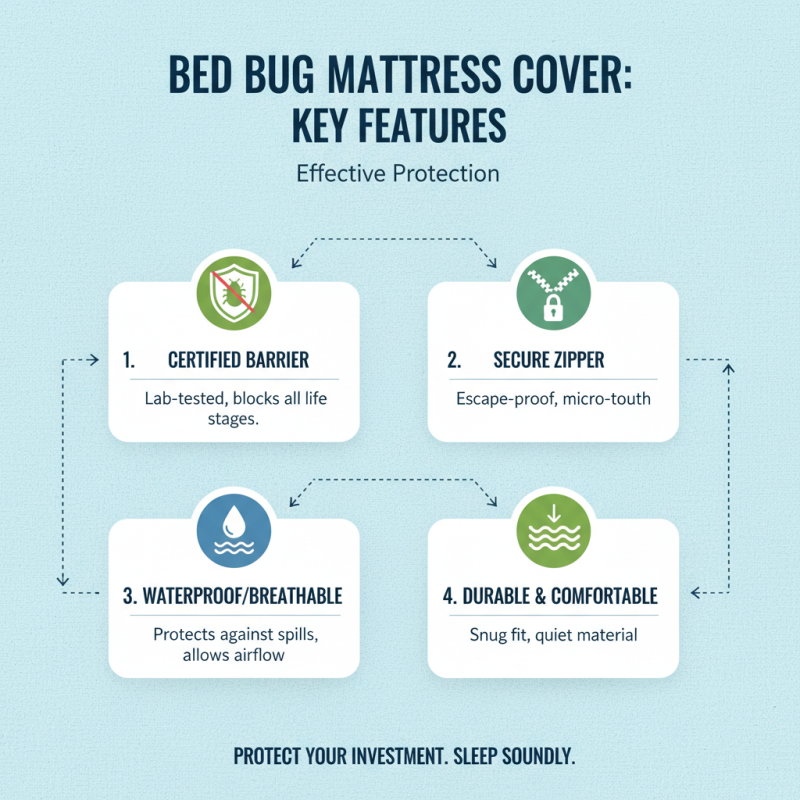
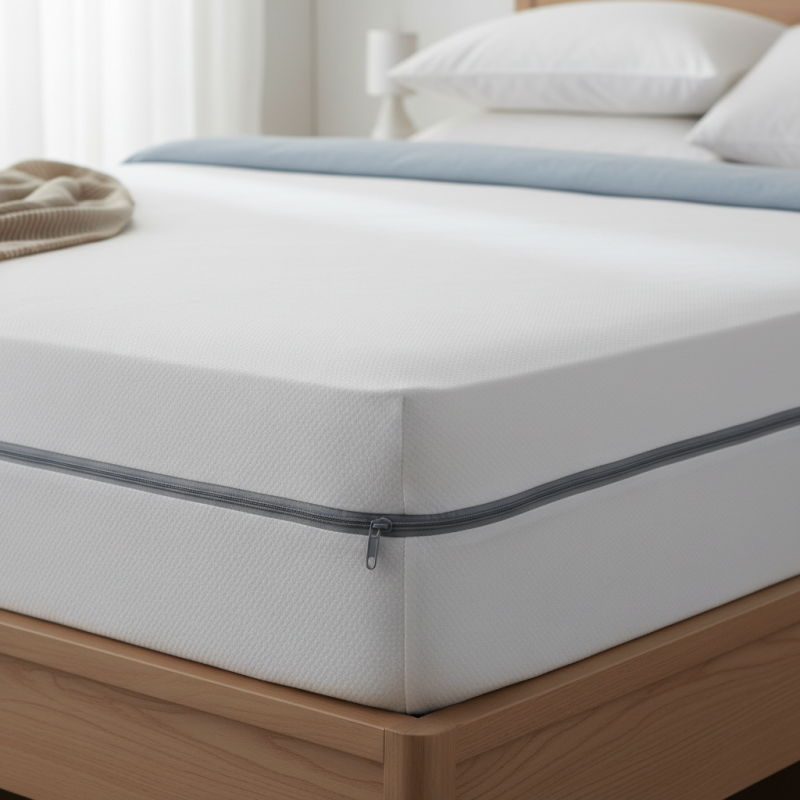
When selecting a bed bug mattress cover, consider the material and fit. Many covers feature zippered closures, which provide a tight seal. Look for options made of durable, waterproof fabric. This will not only block bed bugs but also protect against spills and stains. However, be aware that not all covers are created equal; some may have weak seams or inadequate zippers.
Every detail matters in your choice. Test the cover's texture; it should be comfortable to sleep on. Keep in mind that a high-quality cover is an investment. Reflect on your specific needs and how often you encounter bed bug issues. A thoughtful decision is better than rushing to find a quick fix.
Understanding Bed Bugs and Their Dangers to Sleep Health
Bed bugs are tiny creatures that can disrupt your sleep. They are small, flat, and brownish in color. These pests feed on human blood, primarily at night. Their bites can cause itchy welts and discomfort, making it hard to rest well. The presence of bed bugs can also lead to anxiety and stress. Many people feel unclean or paranoid about their sleeping environment.
Understanding bed bugs is crucial for maintaining sleep health. They can hide in mattresses, bed frames, and other furniture. When you go to bed, even an infestation you can't see can ruin your night's sleep. Their rapid reproduction can turn a small problem into a large one quickly. Spotting the signs of bed bugs is essential. Look for small dark spots on your bedding or tiny eggs in seams. Being vigilant may save you from anxiety and sleepless nights. Selecting the right mattress cover is one step towards effective protection against these nuisances.
Materials Used in Bed Bug Mattress Covers: Pros and Cons
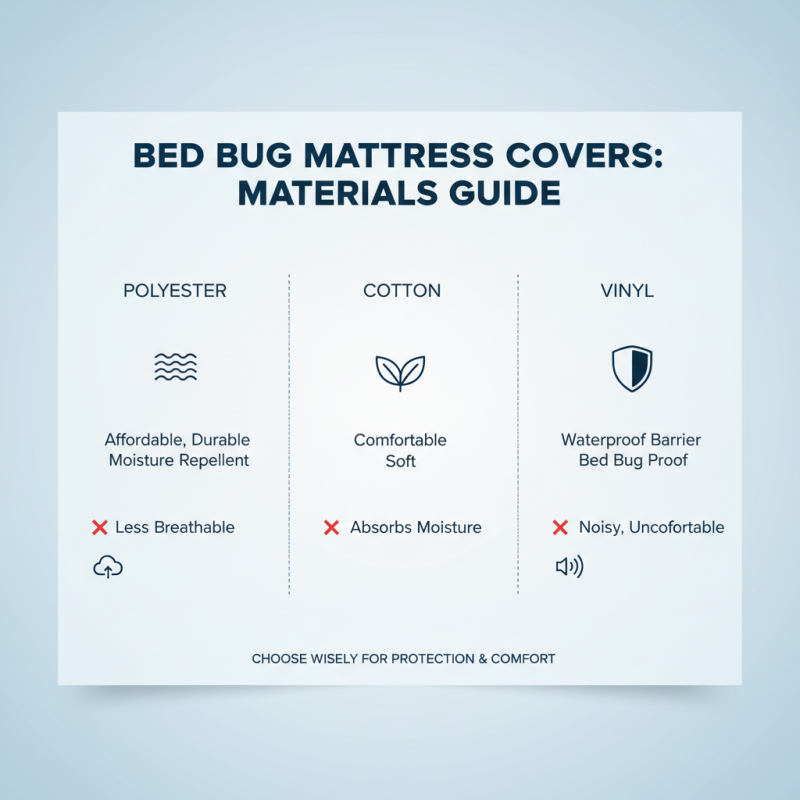
When selecting a bed bug mattress cover, understanding the materials is crucial. Common materials include polyester, cotton, and vinyl. Each offers unique benefits and drawbacks. Polyester is affordable and durable. It repels moisture but may not be breathable. Cotton, on the other hand, provides comfort but can absorb moisture. Vinyl is waterproof and creates an effective barrier against bed bugs, yet it can be noisy and uncomfortable.
The choice of material can significantly impact protection. A study shows that 82% of bed bug issues arise from contaminated mattresses. This highlights the importance of a reliable cover. The ideal choice balances comfort and protection. Choosing a thick, tightly woven fabric can enhance efficacy. Some covers also incorporate zippers for a complete seal, ensuring no bugs can escape or enter.
Tips: Always check for certifications. This ensures the product meets safety and effectiveness standards. Additionally, consider ease of cleaning. Many covers are machine washable, making maintenance simple. Remember, not all covers are equal. Invest time in research to find the best option for your needs.
How to Properly Install and Maintain Your Mattress Cover
Installing a mattress cover is essential for protecting against bed bugs. Start by carefully removing your mattress from the bed frame. Ensure the area around the bed is clean. Dust and vacuum the space to eliminate any hatched bugs or eggs. Then, take your mattress cover out of the packaging.
Carefully unzip the cover. Place your mattress inside with the zipper facing upward. Ensure the cover fits snugly. It’s normal if it feels a bit tight. Zip it up completely, making sure there are no gaps. A tight fit is crucial for protection. After installation, check the seams and zippers for any flaws.
Tips: Regularly inspect the cover for wear and tear. If you notice any damage, replace it promptly. Wash the cover according to the care instructions. Use hot water and dry it on high heat. This will help eliminate any lingering bugs.
Remember, performing checks every few months is vital. Even the best cover might show signs of wear over time. Stay vigilant and act quickly if you notice any issues. Keeping your mattress cover in good condition takes effort but is necessary for effective bed bug protection.
Evaluating the Effectiveness of Different Bed Bug Covers on the Market
When searching for an effective bed bug mattress cover, it’s crucial to evaluate various options available on the market. Many covers claim to offer complete protection, but not all live up to their promises. Look for covers made with high-quality materials. A tightly woven fabric is essential. These materials can prevent even the smallest bed bugs from getting through. Some covers feature zippers, while others use Velcro. The zipper should be durable and effective for total containment.
Consider the size and fit of the cover. A cover that is too loose may allow pests to escape, while one that is too tight could be difficult to put on or take off. Reflect on your own experiences as well. Have you ever struggled with a cover that didn't fit well? Choosing a size that fits securely is essential for efficacy. Additionally, check if the cover is waterproof. This added layer can protect your mattress from accidents, which also deters bed bugs.
It’s worth researching user reviews too. Some covers may perform excellently initially but might not last. Users often note these issues. Pay attention to feedback regarding durability and ease of cleaning. Not every product works well for everyone, so learning from others can save you time and frustration.
Evaluating Bed Bug Mattress Covers
This chart illustrates the effectiveness scores of various features found in bed bug mattress covers. Zippered covers score the highest due to their ability to create a complete barrier against bed bugs, followed by material quality. Liquid-resistant covers provide decent protection, while ease of use ranks lowest, indicating a trade-off between functionality and user convenience.