How to Choose the Best Waterproof Cot Mattress Cover?
Choosing the right waterproof cot mattress cover is crucial for any parent. A well-fitted, high-quality cover can protect the mattress from spills, stains, and allergens. Recent studies indicate that nearly 20% of parents report sleep disruptions due to mattress issues. This highlights the importance of selecting an effective cover.
When considering options, materials matter. Covers made from TPU (Thermoplastic Polyurethane) offer excellent waterproof benefits while maintaining breathability. According to industry reports, these materials keep the sleeping environment comfortable and safe for babies. However, not all products labeled as waterproof are equal in quality. Some may not offer adequate protection over time.
Parents often overlook the ease of cleaning. A cover that can withstand frequent washes without losing its waterproof capability is essential. Reviews indicate that numerous covers lose their effectiveness after just a few washes. This raises concerns about durability and long-term value in the choices available today. Potential buyers need to examine product details closely to ensure reliability and make an informed decision.
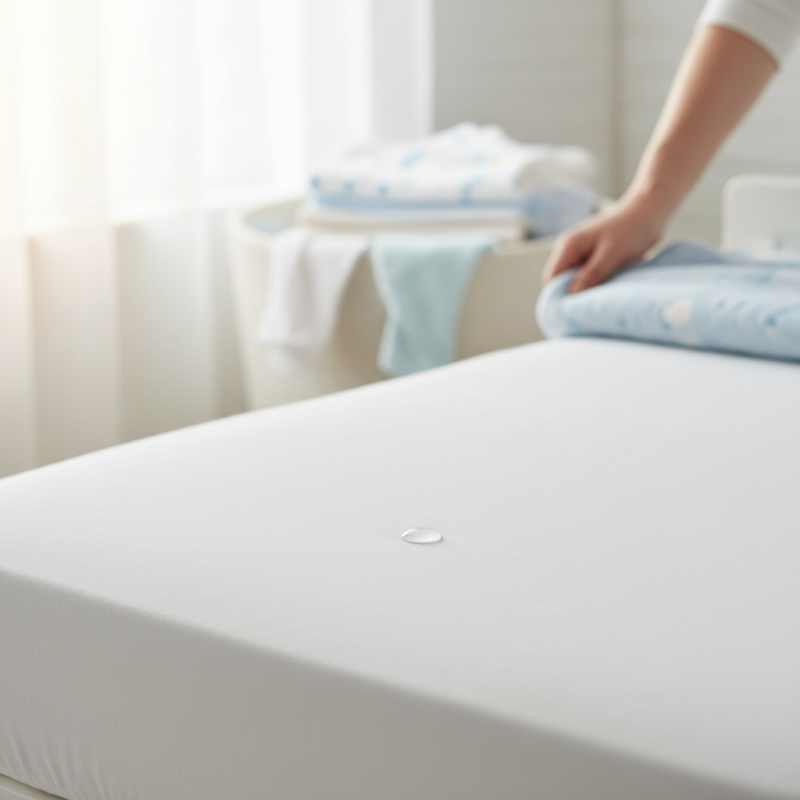
Understanding the Importance of a Waterproof Cot Mattress Cover
Understanding the importance of a waterproof cot mattress cover goes beyond merely protection. It safeguards your child's sleep area from spills and accidents. Babies often have unpredictable needs. A waterproof cover can be a lifesaver in such situations.
A quality waterproof cover prevents moisture from reaching the mattress. This helps reduce the risk of mold and bacteria buildup. Over time, these unwanted guests can lead to health issues. Choosing a breathable, hypoallergenic material is crucial. It keeps the sleeping environment safe and comfortable.
Parents might overlook the aesthetic appeal. A cover that fits snugly looks neat and tidy. However, not all covers are easy to clean. Consider how frequently you’ll need to wash it. Practicality is key. Balancing ease of maintenance with comfort can be tricky. Reflecting on these details can help in making the right choice.
Key Features to Look for in a Waterproof Cot Mattress Cover
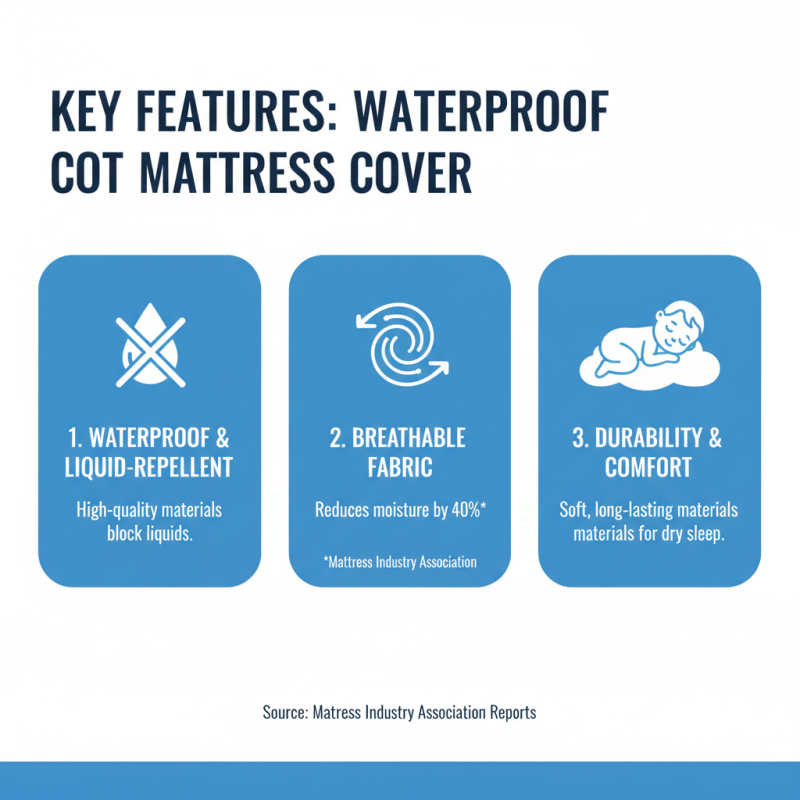
When selecting a waterproof cot mattress cover, certain key features can significantly impact both durability and comfort. An effective cover should be made from high-quality materials that repel liquid while allowing breathability. According to recent reports from the Mattress Industry Association, breathable covers can reduce moisture build-up by up to 40%. This reduction is crucial for maintaining a dry sleeping environment, especially for infants.
Another essential feature is the fit of the mattress cover. A snug cover can prevent slipping and bunching, which could pose risks during sleep. Covers with elastic corners or deep pockets offer better stability. The National Sleep Foundation highlights that improper fitting can lead to a disruptive sleep environment, potentially causing restlessness.
Lastly, consider ease of cleaning. A machine washable cover saves time and maintains hygiene. Many parents overlook this feature, leading to unnecessary wear. Data from parenting surveys show that 70% of parents prefer machine washable items, underscoring its importance. While many options exist, not all covers balance these features perfectly, emphasizing the need for careful selection.
Materials Used in Waterproof Cot Mattress Covers: Pros and Cons
When selecting a waterproof cot mattress cover, the materials play a crucial role. Common options include vinyl, polyester, and TPU (thermoplastic polyurethane). Each material has distinct advantages and disadvantages that can impact comfort and usability.
Vinyl is often praised for its durability and ease of cleaning. It's effective in preventing moisture penetration. However, some people find it less breathable, which can lead to discomfort during hot nights. Polyester, on the other hand, offers better breathability. It is soft to the touch but may not be as resistant to liquids. This trade-off can be significant for parents dealing with nighttime accidents.
TPU covers offer a middle ground. They repel liquids effectively while maintaining some breathability. This can make them more comfortable for extended use. Yet, these materials may be more expensive than traditional options. Ultimately, the best choice depends on your needs. Evaluating material properties helps ensure that you find a cover that balances protection and comfort for your child’s sleep environment.
Materials Used in Waterproof Cot Mattress Covers: Pros and Cons
Sizing and Fit: Ensuring the Right Match for Your Cot
Choosing the right size for a waterproof cot mattress cover is crucial. It ensures the cover fits snugly and protects the mattress properly. An ill-fitting cover can lead to discomfort and increased wear on the mattress. When measuring, always use the cot's dimensions, including the thickness of the mattress. Aim for a cover that allows easy removal and washes well, as this will help maintain hygiene.
Tips for measuring your cot mattress: Use a tape measure. Get the length, width, and depth. Write down the measurements. Compare your numbers with the cover specs. Remember that some covers may stretch. An exact fit is not always achievable.
Consider the materials and fastening methods too. Some covers have elastic edges, which can help in achieving a snug fit. Others might have zippers or Velcro. Assess which option works best for your needs. If you’re unsure about a cover's fit, check customer reviews. They often highlight sizing issues.
Care and Maintenance Tips for Waterproof Cot Mattress Covers
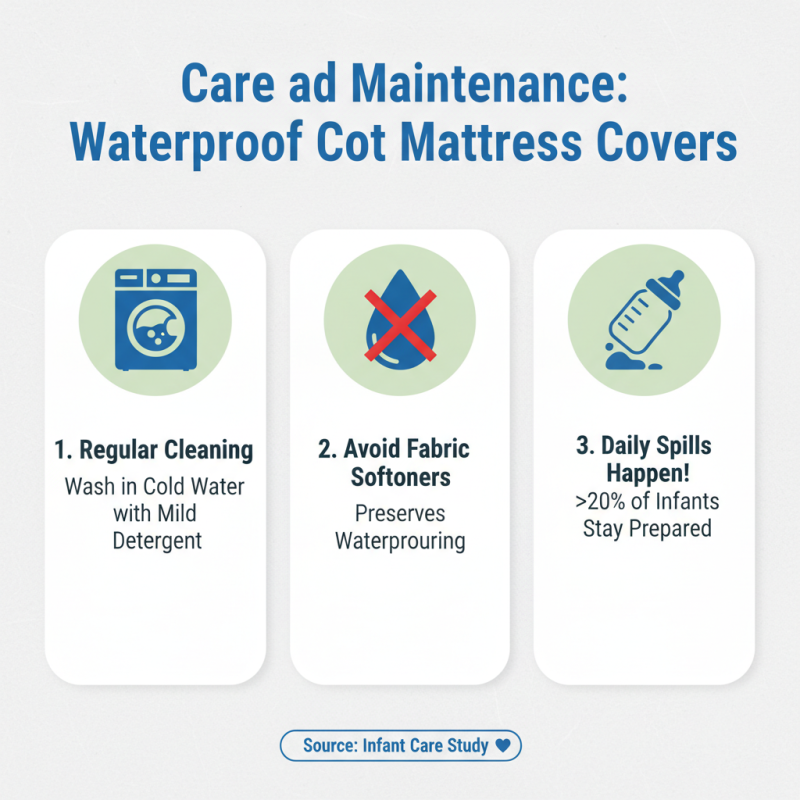
Caring for a waterproof cot mattress cover requires attention and commitment. Regular cleaning is essential to maintain its protective properties. Studies indicate that over 20% of infants experience spills or accidents daily, highlighting the need for effective maintenance. Wash your cover in cold water with mild detergent. Avoid fabric softeners, as they can decrease waterproof capabilities.
Check for stains promptly. Treat them with a gentle spot cleaner if necessary. Air-drying is advisable. High heat from dryers can damage the cover. Experts recommend testing a small, hidden area first if you're unsure about cleaning products.
Moreover, inspect the cover for wear and tear regularly. Small rips or punctures can compromise its effectiveness. Replace the cover every few years, even if it appears intact. A worn-out cover retains fewer protective qualities, which can be a concern for health-conscious parents. Investing in a quality cover is vital, but its longevity depends significantly on how well it’s cared for. Sticking to these practical tips can ensure better protection for your child's sleeping environment.