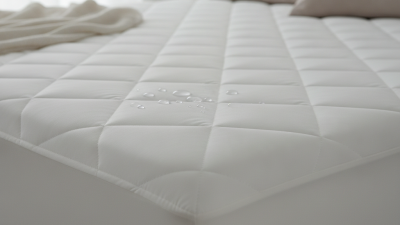
How to Choose the Best Waterproof Mattress Protector?
Choosing the right Mattress Protector Waterproof is crucial for protecting your investment. A good mattress is expensive, and it deserves proper care. Water damage can ruin even the best mattresses. This is where a quality waterproof protector comes in.
When selecting a waterproof mattress protector, consider fabric quality and breathability. Cheap products may feel uncomfortable and noisy. Comfortable alternatives exist, enhancing your sleep experience. Look for certifications that verify the product's effectiveness. Reviews can offer insights, but not all opinions are equal.
Remember, not all protectors are created equal. Some may repel liquids but fail to address allergens or dust mites. Take your time to read product descriptions carefully. Be cautious with misleading advertising that promises too much. A little research can help avoid costly mistakes. Investing in a reliable mattress protector is one of the best choices you can make.
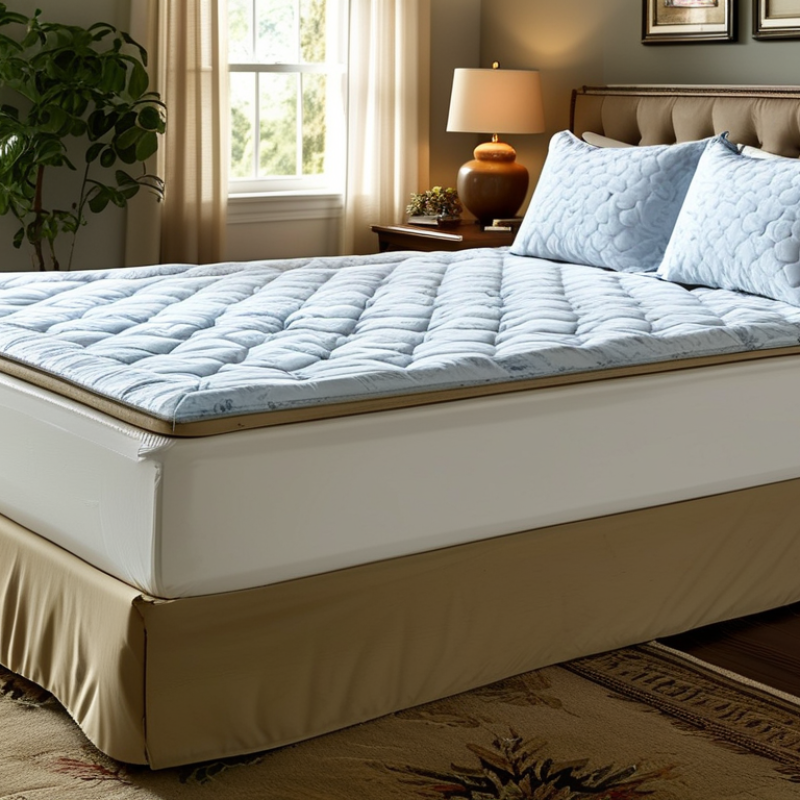
Understanding the Importance of Waterproof Mattress Protectors in Sleep Hygiene
Waterproof mattress protectors play a crucial role in maintaining sleep hygiene. They create a barrier against moisture, spills, and allergens. This is especially important for those who suffer from allergies or asthma. By preventing liquids and dust mites from penetrating the mattress, these protectors help keep your sleeping environment clean and healthy.
Many people overlook the impact of hygiene on sleep quality. A dirty mattress can harbor germs and bacteria. This can lead to skin irritations and respiratory issues. Investing in a waterproof mattress protector can mitigate these risks. It offers peace of mind, knowing that your mattress is shielded from stains and spills.
Not all mattress protectors are the same. Some may feel uncomfortable or noisy. Choosing the right one requires careful consideration. Look for breathable materials that do not compromise comfort. Ensure the protector fits securely for optimal protection. Reflect on whether the protector aligns with your lifestyle and needs. Making informed choices can greatly enhance your sleep hygiene.
Key Features to Look for in a Quality Waterproof Mattress Protector
When selecting a waterproof mattress protector, it's crucial to understand the key features that contribute to quality. First, look for materials that offer effective waterproofing without sacrificing breathability. High-quality protectors often use a combination of polyurethane layers. According to a 2022 survey, about 75% of consumers desire a protector that prevents spills and allergens while keeping them comfortable. Breathable options can help regulate temperature and reduce sweat, so consider protectors designed specifically for airflow.
Next, consider the durability of the protector. A reliable mattress protector should withstand repeated washings. Research shows that up to 30% of mattress protectors fail to maintain their waterproof qualities after only a few washes. Choosing a protector with a high thread count often indicates better durability. Additionally, check for features like deep pockets to ensure a snug fit. This prevents slipping and keeps the protector securely in place. A well-fitted protector can enhance the overall lifespan of your mattress, thus providing extra value and ensuring ongoing comfort.
Material Options: Comparing Polyester, Cotton, and TPU in Mattress Protectors
When choosing a waterproof mattress protector, consider the materials: polyester, cotton, and TPU. Each option has distinct characteristics. Polyester is durable and resistant to stains, making it ideal for those who want less maintenance. However, it may not feel as soft as other materials.
Cotton, on the other hand, offers a breathable and comfortable feel. Many people love its softness, but it can retain moisture. This could lead to mildew if not cared for properly. The trade-off is in the care needed; cotton requires regular washing and may not dry quickly.
TPU, or thermoplastic polyurethane, is a popular waterproof option. It provides a great balance of protection and comfort. TPU is often lightweight and flexible. However, some users report that it can be noisy, which might disturb sleep. Each material has pros and cons, making it essential to reflect on what matters most to you in comfort and care.
How to Choose the Best Waterproof Mattress Protector? - Material Options: Comparing Polyester, Cotton, and TPU in Mattress Protectors
| Material |
Waterproof Level |
Breathability |
Comfort |
Durability |
Price Range (USD) |
| Polyester |
Moderate |
High |
Moderate |
High |
20 - 50 |
| Cotton |
High |
Moderate |
High |
Moderate |
30 - 70 |
| TPU (Thermoplastic Polyurethane) |
Very High |
Low |
Moderate |
Very High |
40 - 80 |
Assessing Breathability and Comfort: Balancing Protection and Sleep Quality
When choosing a waterproof mattress protector, breathability and comfort are key factors. A protector that keeps moisture away can also influence your sleep quality. If it traps heat, your sleep may become restless. Look for materials that allow air circulation while providing reliable waterproofing.
Consider the construction of the protector. Some options use a thin layer of polyurethane, which can enhance breathability. Others might use a thicker material that feels less breathable. This balance is crucial. A protector too rigid can feel uncomfortable, while a thin one might not offer adequate protection.
Consider your personal preferences. Do you tend to sleep hot or cold? Understanding your body’s needs can help make the right choice. It’s important to test different options. Spend time on your bed with various protectors. Reflect on how they impact your sleep. Not every protector is ideal for every person. Finding the right one may require some trial and error.
Breathability vs. Comfort Ratings of Waterproof Mattress Protectors
Evaluating Waterproof Ratings: Industry Standards and Real-World Performance
When choosing a waterproof mattress protector, evaluating waterproof ratings is crucial. Industry standards often rely on laboratory tests to measure how well a material resists water. Yet, real-world performance may differ significantly. A protector may perform well in a test but fail in everyday scenarios. Assessing user reviews can provide insights into how products stand up to daily use.
Tips: Check user feedback. Look for comments on durability and effectiveness. Sometimes, a high rating doesn’t guarantee long-term satisfaction. Seek protectors that offer a balance between comfort and waterproofing.
Another aspect to consider is the material. Many products use different layers to enhance protection. Some prioritize breathability, while others focus solely on waterproofing. It’s essential to find a model that meets both requirements without compromising on comfort. Test materials when possible to ensure they align with your needs.
Tips: Don’t settle for the first option. Compare features like breathability and comfort. A good protector feels soft, not like plastic. Understanding the differences can lead to a better choice. Ultimately, it’s about making an informed decision based on your lifestyle and preferences.