How to Choose the Best Mattress Cover for Your Needs?
Choosing the right mattress cover is essential for your sleep quality. A good mattress cover can protect your investment and enhance your sleeping experience. According to a recent survey by the Sleep Foundation, about 80% of people notice a difference in their sleep with the right bedding materials. Understanding your specific needs helps in making an informed choice.
With numerous options available, it is crucial to identify what features matter most. For instance, if you have allergies, selecting a hypoallergenic mattress cover is vital. Additionally, a waterproof cover can deter spills and stains, preserving your mattress’s longevity. The market for mattress covers has grown significantly, reaching $3.5 billion in 2021, highlighting their importance.
However, many consumers overlook the significance of a quality mattress cover. Factors like breathability, durability, and ease of cleaning can dramatically influence your choice. Remember that a perfect mattress cover does not exist. It's about finding the best fit for your lifestyle and preferences. Prioritizing these aspects ensures better sleep and mattress preservation, giving your body the rest it deserves.
Understanding the Different Types of Mattress Covers: A Comprehensive Guide
Choosing the right mattress cover can significantly enhance your sleeping experience. With various types available, understanding the differences is key. Each type offers unique benefits, catering to different needs.
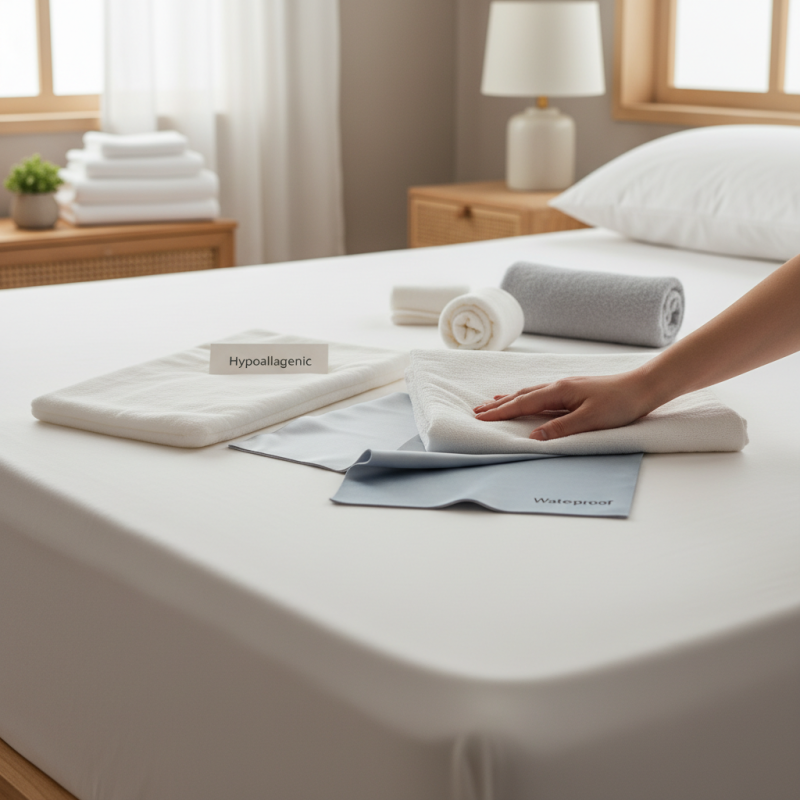
For instance, a waterproof cover is ideal for protecting against spills and stains. It's great if you have kids or pets. On the other hand, a breathable cover can help regulate temperature. Those who sleep hot will find this particularly beneficial. Remember, not all covers are created equal.
Tips: Consider materials that suit your lifestyle. For allergies, hypoallergenic covers can be a game changer. If you’re sensitive to heat, look for cooling fabrics. These small details make a big difference. Take time to research before committing to a style.
Evaluating Materials: Cotton, Polyester, and Other Fabrics in Mattress Covers
Choosing a mattress cover begins with material evaluation. Cotton, known for its breathability and softness, is a popular choice. It allows air to flow, keeping you cool at night. However, pure cotton can wrinkle easily and may require frequent washing.
Polyester is another common fabric. It's durable and resistant to stains. Many appreciate its low maintenance. Yet, some may find polyester less breathable, leading to discomfort in warmer conditions. Blends of cotton and polyester can balance durability and softness. These blends often combine the best of both worlds, but they may not suit everyone.
Consider other options like bamboo or linen as well. Bamboo covers are eco-friendly and naturally moisture-wicking. Linen is robust but may feel rough initially. Reflect on your personal comfort and care preferences. What works for one might not work for you. Evaluate different materials based on your sleeping habits to ensure a good night's rest.
Material Comparison in Mattress Covers
Assessing Waterproof and Hypoallergenic Features for Optimal Protection
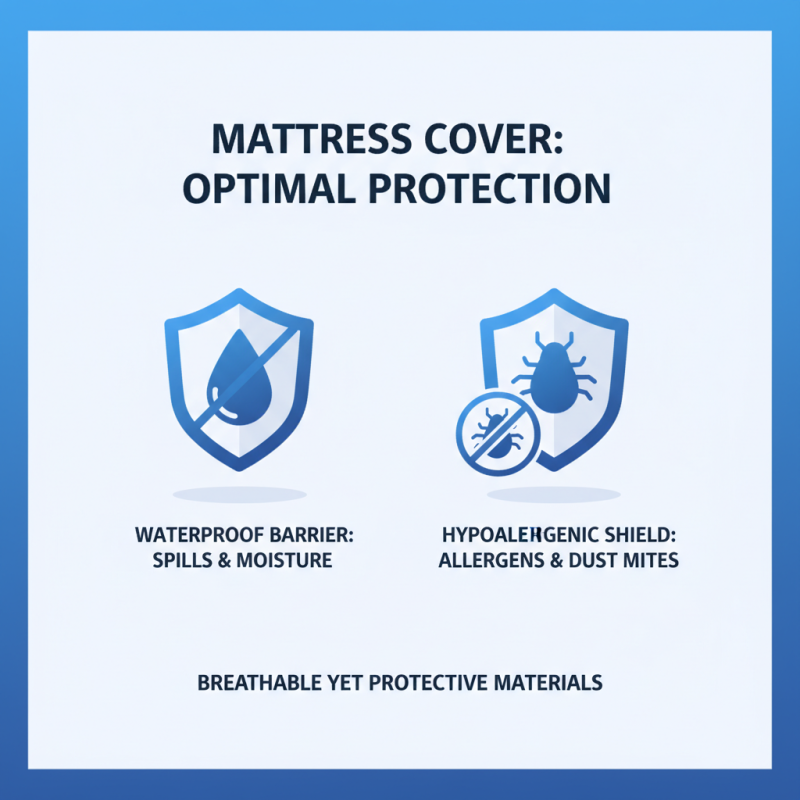
Choosing a mattress cover requires careful consideration. Among various features, waterproof and hypoallergenic properties are essential for optimal protection. A waterproof cover acts as a barrier. It protects your mattress from spills, moisture, and allergens. Look for materials that are breathable yet serve this purpose well.
Hypoallergenic covers are crucial for many people. They prevent dust mites, mold, and other allergens from settling in your mattress. This can significantly improve sleep quality. Materials like cotton or polyester blends can provide this benefit. However, not all hypoallergenic covers are the same. Some may still allow small particles to pass through.
While shopping, be cautious. Not every product labeled as waterproof is truly effective. Similarly, hypoallergenic claims can sometimes be misleading. Look for third-party certifications that ensure these features. A quality cover can be an investment in your health and comfort. Make sure it suits your specific needs for the best results.
Identifying the Right Thickness and Fit for Your Mattress Size and Type
Choosing the right mattress cover involves considering thickness and fit. The thickness of a mattress cover can significantly affect your comfort. Reports indicate that covers between 1 to 3 inches are ideal for most mattress types. Thicker covers may offer additional cushioning but can also trap heat, leading to discomfort. It is essential to balance protection with breathability.
Fit is another crucial factor. Mattress covers should snugly fit the dimensions of your mattress. A poorly fitting cover can shift and bunch up during sleep, disrupting your rest. Data shows that a cover with elastic edges provides a more secure fit. Always check the size recommendations provided by the manufacturer to find the right match.
When selecting a cover, consider your particular needs, like allergies or sensitivity. Some materials repel dust mites, which can be beneficial for allergy sufferers. However, not all people respond well to synthetic materials. It is worth exploring various options to identify what feels best for you. An unsatisfactory choice can lead to discomfort and sleepless nights.
Comparing Price Points and Durability: How to Invest Wisely in Mattress Covers
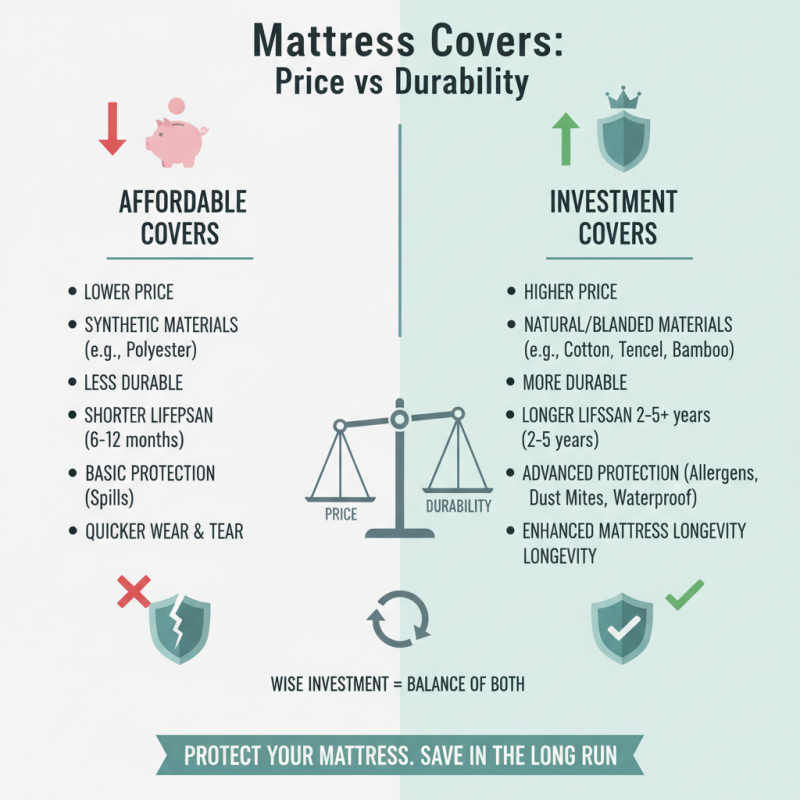
Choosing the right mattress cover can be a daunting task. It's essential to consider both price and durability. A good mattress cover protects your investment in a quality mattress. Opting for a cheaper option may seem wise, but it can lead to quicker wear and tear. Often, affordability comes with compromised quality.
When examining budget options, remember that materials matter. Cotton blends can be cost-effective and comfortable, while waterproof covers can be pricier but offer better protection. Look for covers with warranties. This can indicate durability and reliability. A cover that lasts longer brings better value over time.
Tips for selecting the right cover include checking for certifications. This ensures the materials used are safe and non-toxic. Pay attention to customer reviews, as they provide insights into real-life durability. You might find covers that promise longevity but fall short in actual use. It’s beneficial to invest in a good mattress cover, considering it saves money in the long run.