How to Choose the Best Waterproof Bed Sheet for Your Needs?
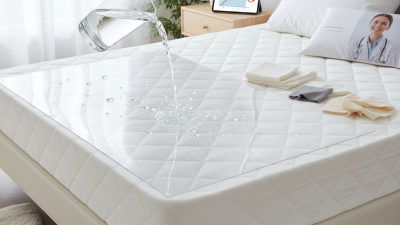
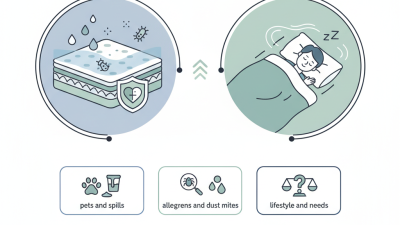
Choosing the right Waterproof Bed Sheet for your needs can be a challenge. With so many options available, it's easy to feel overwhelmed. Finding the perfect waterproof bed sheet is essential for comfort and protection. These sheets offer a barrier against spills, stains, and allergens. Imagine a cozy night’s sleep without worrying about accidental spills.
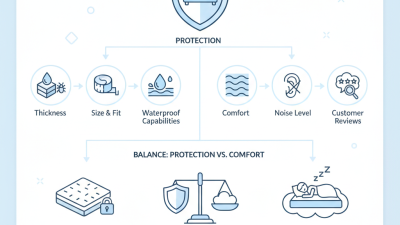
Several factors influence your decision. Consider the materials used in the waterproof bed sheet. You might prefer cotton for breathability or synthetic options for durability. The size of your mattress also plays a role. It is crucial to measure accurately to ensure a proper fit. A poorly fitting sheet may lead to discomfort, making it less effective.
Don’t overlook other features, like ease of cleaning. Some sheets are machine washable, while others require special care. You may find it frustrating if your choice becomes cumbersome to maintain. Reflect on what matters most to you. Ultimately, the right waterproof bed sheet enhances your sleep experience and protects your investment in your mattress. The journey to find the ideal sheet may take some time, but the benefits are worth it.
Understanding Waterproof Bed Sheets: Key Features to Consider
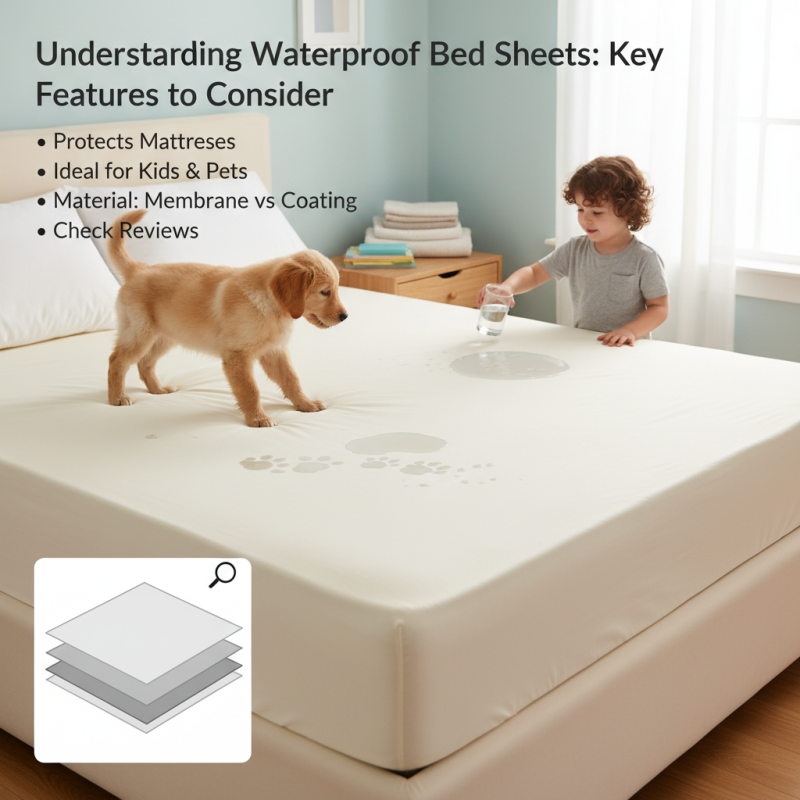
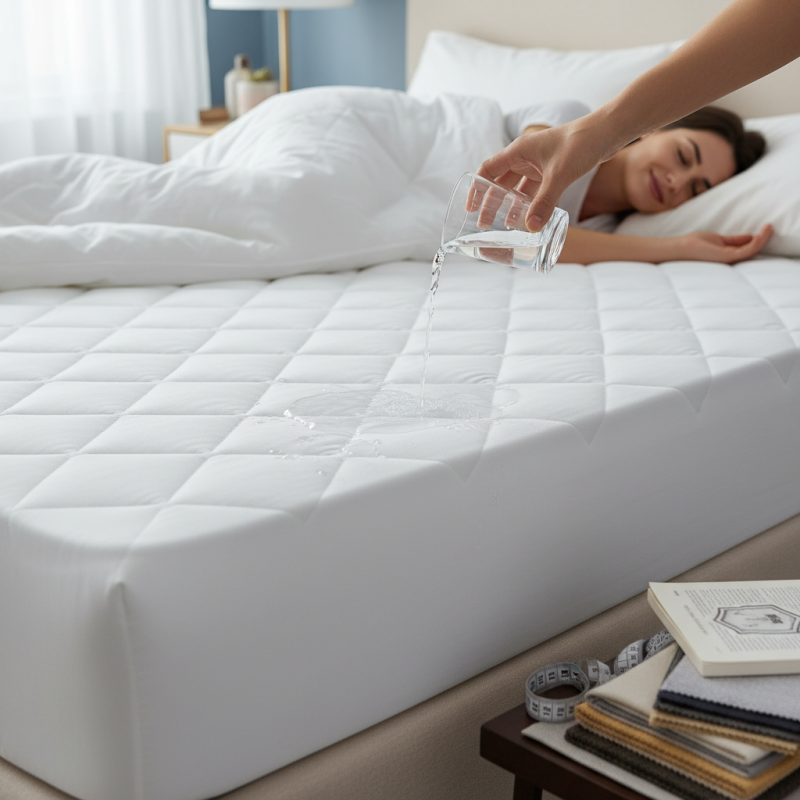
Waterproof bed sheets are essential for many reasons. They protect your mattress from spills and accidents. This is especially important for families with young children or pets. When choosing the right sheet, consider the materials used. Some sheets have a waterproof membrane, while others use a waterproof coating. Each option has its pros and cons. It’s good to check reviews and get feedback.
Another key feature is breathability. Some waterproof sheets trap heat, making sleep uncomfortable. Look for options that combine waterproofing with breathable fabrics. This balance is tricky to find. You may need to try different types to see what works best for you. Pay attention to the feel. A sheet that feels plasticky can ruin your sleep experience.
Durability is crucial too. Some sheets wear out quickly, losing their waterproof properties. Check the washing instructions before buying. Some need special care to maintain their effectiveness. You may find considerable variation in the quality. Don't rush the decision; reflect on what fits your lifestyle best. Finding the right waterproof sheet can be a journey fraught with trial and error.
Types of Waterproof Bed Sheets: Material and Construction Comparison
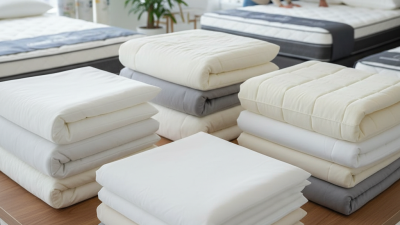
When it comes to waterproof bed sheets, choosing the right material and construction is crucial. Common materials include polyester, vinyl, and polyurethane. Each offers different levels of waterproofing and comfort. For example, polyurethane is soft and breathable, making it a popular choice for sleepers. Research indicates that around 70% of consumers prefer breathable options. However, vinyl, while highly waterproof, may feel less comfortable for extended use and can be noisy.
Construction also plays a vital role. Some sheets feature a top layer that is soft and comfortable, while the underside is completely waterproof. Others may use a full waterproof barrier throughout. According to a recent industry report, nearly 65% of users report difficulty in finding balance between comfort and protection. The choice between a fitted sheet or a mattress protector adds another layer to consider. Fitted sheets can snag, while protectors cover the entire mattress.
Each type has its pros and cons. Testing different options is important. User reviews indicate that many people are not satisfied with their initial choices. They often wish they had researched more. Finding the perfect waterproof bed sheet demands careful consideration of individual needs and preferences.
How to Choose the Best Waterproof Bed Sheet for Your Needs?
| Type |
Material |
Waterproofing Method |
Breathability |
Durability |
| Polyester |
100% Polyester |
PU Coating |
Moderate |
High |
| Cotton Blend |
Cotton-Polyester Blend |
Water-Resistant Treatment |
High |
Moderate |
| Vinyl |
PVC Vinyl |
Seam Sealing |
Low |
Very High |
| Bamboo |
Bamboo Rayon |
Nano Coating |
High |
High |
| Microfiber |
100% Microfiber |
Waterproof Laminate |
High |
Moderate |
Assessing Size and Fit: Choosing the Right Dimensions for Your Bed
When selecting the right waterproof bed sheet, size and fit are crucial. A good fit prevents moisture from seeping through. Start by measuring your mattress. Width, length, and height matter greatly. Standard sizes are often misleading. A deep mattress may need additional length. Taking precise measurements is essential.
Consider the mattress topper if you use one. This adds height to the overall dimensions. If the sheet is too small, it will pull and shift. Too large, and it may bunch up. Neither option is ideal for comfort or protection.
Look for sheets with elastic corners. They ensure a snug fit. But be wary of overly tight elastic; it can tear over time. The goal is functionality. A waterproof sheet should protect against spills and accidents, not just stay intact. Don’t underestimate the impact of a proper fit. A well-fitted sheet enhances your sleep experience. Consider your specific needs before making a choice.
Choosing the Right Dimensions for Your Waterproof Bed Sheets
This chart illustrates the dimensions of various bed sizes commonly used for waterproof bed sheets. Choosing the right size ensures a good fit and optimal protection for your mattress.
Evaluating Waterproofing Technology: How It Affects Comfort and Durability
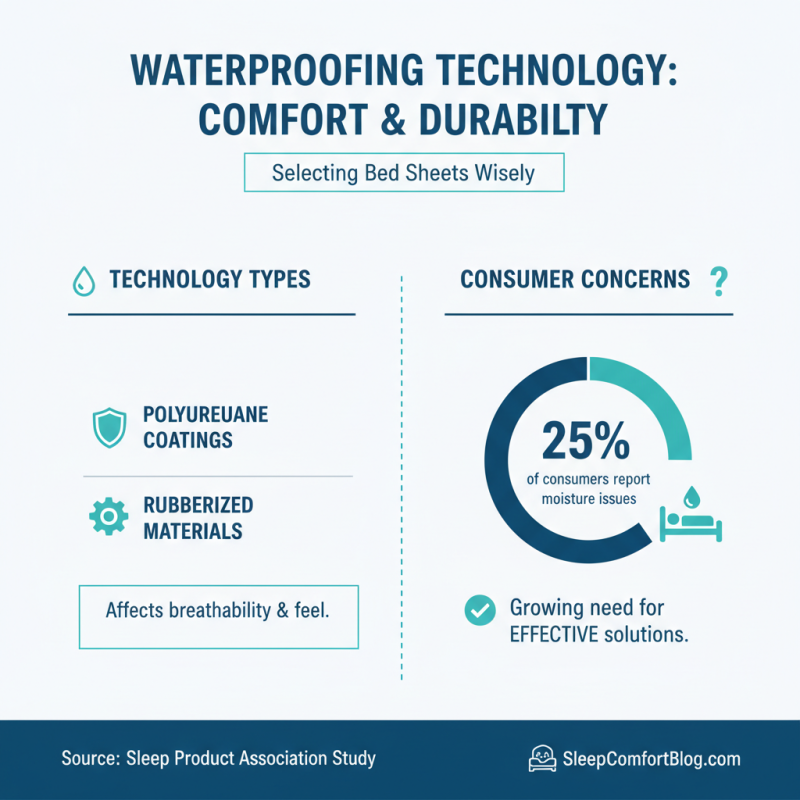
When selecting waterproof bed sheets, understanding the waterproofing technology is crucial. Various methods exist, including polyurethane coatings and rubberized materials. A study by the Sleep Product Association indicates that 25% of consumers experience moisture-related issues with bedding. This shows a growing need for effective waterproof solutions.
Comfort is often affected by these technologies. For example, sheets with thin polyurethane layers offer better softness but might not be as durable. A report by the Textile Institute highlights that durability can be compromised; some sheets lose their waterproof qualities after multiple washes. This inconsistency can lead to unexpected discomfort, especially for those with allergies or sensitive skin.
It is essential to evaluate how these technologies impact your specific needs. Not all waterproof materials breathe well, leading to increased heat retention during sleep. A survey conducted by the National Sleep Foundation found that 60% of individuals prefer breathable beddings for a comfortable night’s sleep. Balancing waterproofing and comfort is key, yet it remains a challenge. Always check the specifications to ensure you find the right fit.
Maintenance and Care Tips for Long-Lasting Waterproof Bed Sheets
Waterproof bed sheets can be a game-changer for maintaining cleanliness and comfort. To get the most out of your investment, proper maintenance is essential. Many users overlook this aspect. Regular washing prevents buildup of allergens and bacteria. Stick to the manufacturer’s care instructions, but guidelines often suggest washing in cold water. Hot water can break down the waterproof layer over time.
Drying your waterproof sheets requires special attention. Tumble drying on low heat is usually safe. However, high heat can cause shrinkage or damage. Air drying is an alternative, but it demands more time and environmental considerations. A 2021 industry report indicated that sheets can lose 20% of their waterproof efficacy after just a few washes if improperly cared for. Be mindful of this.
Stains can happen. Blot spills immediately. Avoid harsh chemicals that can degrade the materials. Even commercial stain removers can be too aggressive. Many users report that simple solutions like baking soda or vinegar are effective. Taking these steps can lead to longer-lasting waterproof bed sheets. It’s a small effort for fewer worries about cleanliness.