How to Choose the Best Waterproof Mattress Cover for Your Needs?
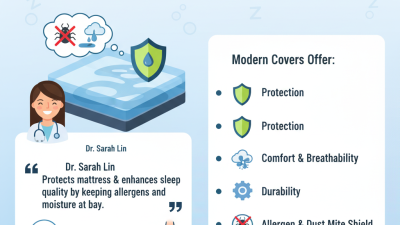
Choosing the right Waterproof Mattress Cover can significantly enhance your sleep quality. According to a recent study by the National Sleep Foundation, 60% of people report issues related to mattress moisture. A quality cover can protect against spills, allergens, and dust mites. This is especially crucial for families with young children or pets.
The market for mattress protectors is growing rapidly. Research shows a 15% annual growth in the waterproof mattress cover segment. However, not all covers are created equal. Some fail to provide adequate breathability or comfort. This discrepancy can lead to discomfort during sleep.
Consumers often struggle with choosing a cover that meets their specific needs. Many overlook factors like material, thickness, and fit. A poor choice can result in a cover that crinkles or retains heat. Understanding your requirements will lead to a better investment in your sleep health.
Understanding the Importance of a Waterproof Mattress Cover
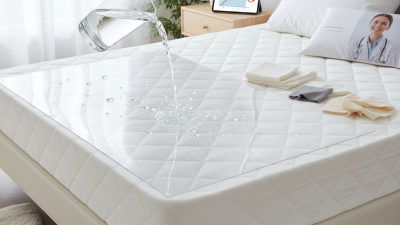
A waterproof mattress cover is essential for protecting your mattress. It acts as a barrier against spills, stains, and allergens. According to industry reports, around 80% of people will experience a spill on their mattress at least once. This makes a waterproof cover a wise investment. It not only prolongs the life of your mattress but also promotes better hygiene.
When choosing a waterproof mattress cover, consider the material. Some covers are made from breathable fabrics that prevent overheating. Studies show that overheating can affect sleep quality. Additionally, a cover that fits snugly will minimize movement and noise. Those who toss and turn at night may find a well-fitted design beneficial.
Tips for selecting the right cover include checking the level of waterproof protection. Not all covers offer the same durability. Look for materials that are machine washable to ensure hygiene. Also, read reviews to see how others have rated their experiences. Remember, a cheaper option might not always be the best. Inadequate protection can lead to costly mattress replacements.
Comparison of Different Waterproof Mattress Cover Features
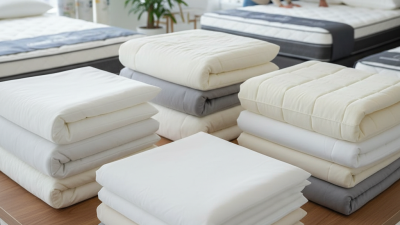
Types of Waterproof Mattress Covers Available on the Market
When looking for a waterproof mattress cover, several types are available. Understanding these options can help you make a better choice. Mattress protectors are popular. They often resist spills and allergens. Many feature a breathable surface, which adds comfort. A study by the Sleep Foundation states that up to 22% of people experience allergies linked to dust mites and other allergens.
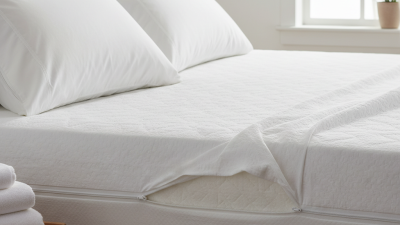
There are also waterproof mattress encasements. These covers zip around the entire mattress. They provide a higher level of protection. This is crucial for those with young children or pets. According to market research, encasements can prevent over 95% of common allergens. Yet, they might feel less comfortable to some users. This discomfort can lead to a less restful sleep.
Additionally, there are different materials used in waterproof covers. Some use polyurethane or PVC. These materials are affordable but can retain heat. Others use advanced fabrics that breathe better. However, this often comes at a higher cost. It’s essential to weigh the pros and cons. Finding a balance between comfort and protection is vital for your needs.
How to Choose the Best Waterproof Mattress Cover for Your Needs? - Types of Waterproof Mattress Covers Available on the Market
| Type |
Material |
Breathability |
Liquid Protection |
Ease of Cleaning |
Lifespan |
| Polyurethane Covers |
Polyurethane |
Good |
Excellent |
Machine Washable |
3-5 years |
| Vinyl Covers |
Vinyl |
Low |
Excellent |
Wipe Clean |
2-4 years |
| Terry Cloth Covers |
Cotton Blend |
Excellent |
Good |
Machine Washable |
3-6 years |
| Membrane Covers |
Polyester with Membrane |
Very Good |
Excellent |
Machine Washable |
5-8 years |
| Quilted Covers |
Cotton/Polyester |
Good |
Fair |
Machine Washable |
3-5 years |
Key Features to Consider When Choosing a Mattress Cover
When choosing a waterproof mattress cover, several key features are essential. First, consider the material. Many covers use polyurethane or vinyl as waterproof barriers. These materials are effective, but they may feel noisy or plastic-like. Look for softer alternatives if noise is a concern. Breathability is another critical factor. A cover should protect against liquids while allowing air circulation, ensuring comfort during sleep.
Next, think about the size and fit. A cover must snugly fit your mattress to prevent slipping. An ill-fitting cover can lead to discomfort and may not fully protect your mattress. Check the depth as well, especially if your mattress is thicker. Additionally, ease of care matters. Some covers are machine washable, while others require special cleaning. This can be a hassle if upkeep is challenging.
Lastly, consider hypoallergenic properties. If you have allergies, choose a cover that resists dust mites and mold. While the primary focus is waterproofing, additional features can enhance your sleeping environment. Identifying the right balance between comfort, protection, and maintenance can feel overwhelming. It is vital to reflect on your specific needs before making a decision.
Evaluating Material Options for Optimal Protection and Comfort
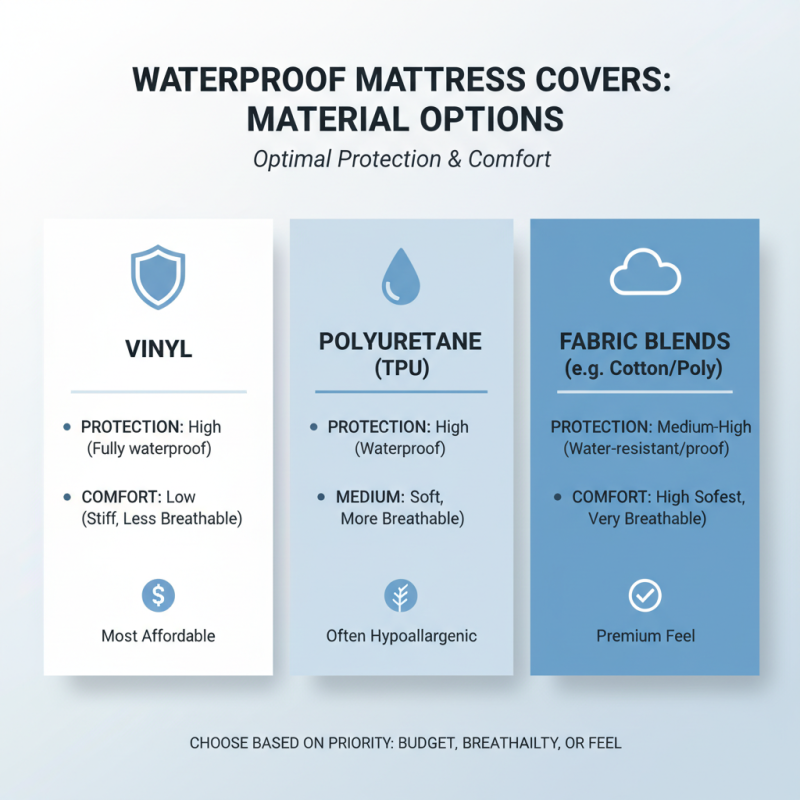
When selecting a waterproof mattress cover, understanding material options is crucial. Various fabrics offer different levels of protection and comfort. Common choices include vinyl, polyurethane, and fabric blends. Vinyl is often the most affordable option but can feel stiff and less breathable. It might not suit everyone's comfort preference.
Polyurethane covers are more flexible and breathable. They often provide a quieter experience compared to vinyl. However, they can be less durable, especially with frequent washing. Some covers use fabric blends that combine waterproofing with softness. This option can enhance comfort but may sacrifice some barrier effectiveness.
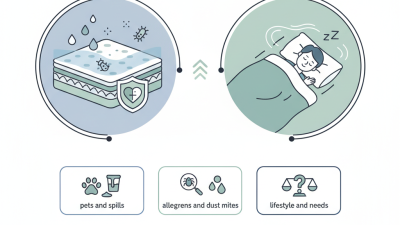
Consider your specific needs. Allergies? Look for hypoallergenic materials. If you have pets, durability becomes essential. Think about how easy it is to clean. Reflect on how each material feels against your skin. Not every option will meet your expectations perfectly. Take time to weigh the pros and cons carefully. Your choice should balance protection with comfort to best suit your lifestyle.
Tips for Proper Care and Maintenance of Your Mattress Cover
Choosing a waterproof mattress cover is just the start. Proper care and maintenance are crucial for longevity. Regular cleaning ensures effective protection against spills and allergens. Most covers can be machine washed. Check the label for specific instructions to avoid damage.
Don’t forget to inspect your mattress cover for wear and tear. Small rips can lead to bigger issues down the line. Stains are easier to tackle when addressed promptly. Use mild detergents to avoid harsh chemicals that can degrade the material. Air drying is often gentler compared to high heat from dryers.
If you have pets, be vigilant. Pet hair and moisture can accumulate quickly, even with a cover. Consider using a lint roller for easy pet hair removal. It’s a simple task that keeps your mattress cover functional. Reflect on your routine. Are you maintaining it as you should? Taking these steps can lead to a more enjoyable sleep environment.