How to Choose the Best Waterproof Mattress Protector for Your Needs?
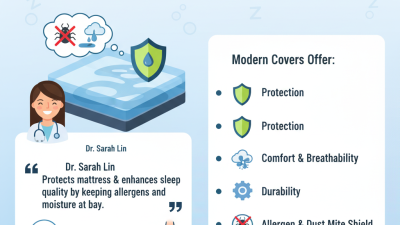
Choosing the right Waterproof Mattress Protector can significantly enhance your sleep experience. A mattress protector serves as a barrier against spills, allergens, and dust mites. According to the National Sleep Foundation, improper mattress care can lead to health issues, including asthma and allergies.
Recent market studies reveal that nearly 30% of consumers opt for waterproof options due to their durability. Waterproof Mattress Protectors not only prevent damage but also prolong the lifespan of mattresses. However, not all protectors guarantee the same level of protection. Some may compromise comfort, leading to a restless night.
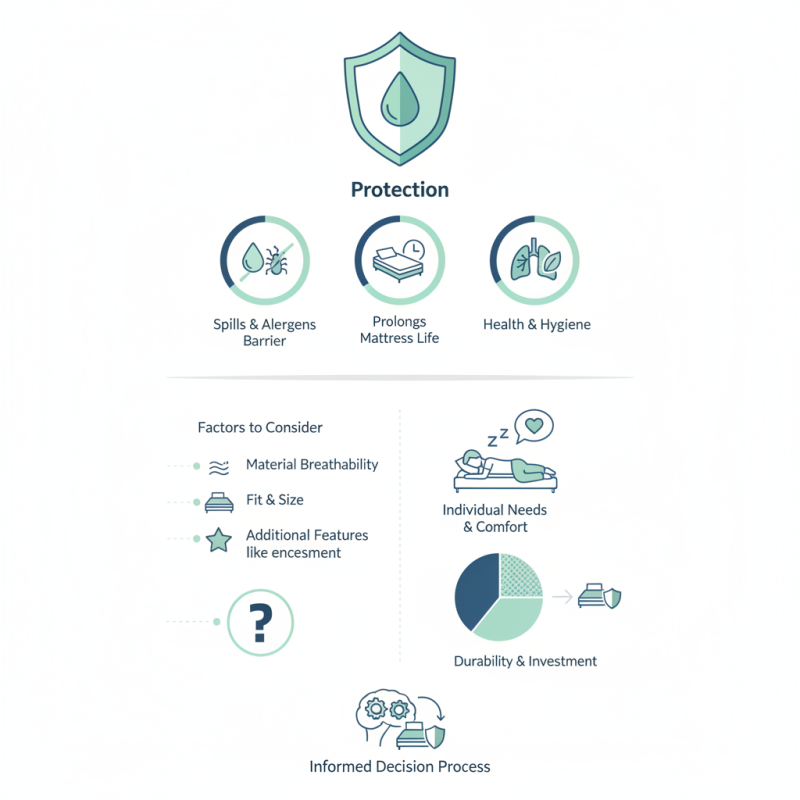
Ensuring you select the right product can be challenging. Factors such as material breathability, fit, and additional features should be considered. Many people overlook these details, leading to dissatisfaction. This decision process requires genuine reflection on individual needs and preferences.
Understanding the Importance of a Waterproof Mattress Protector
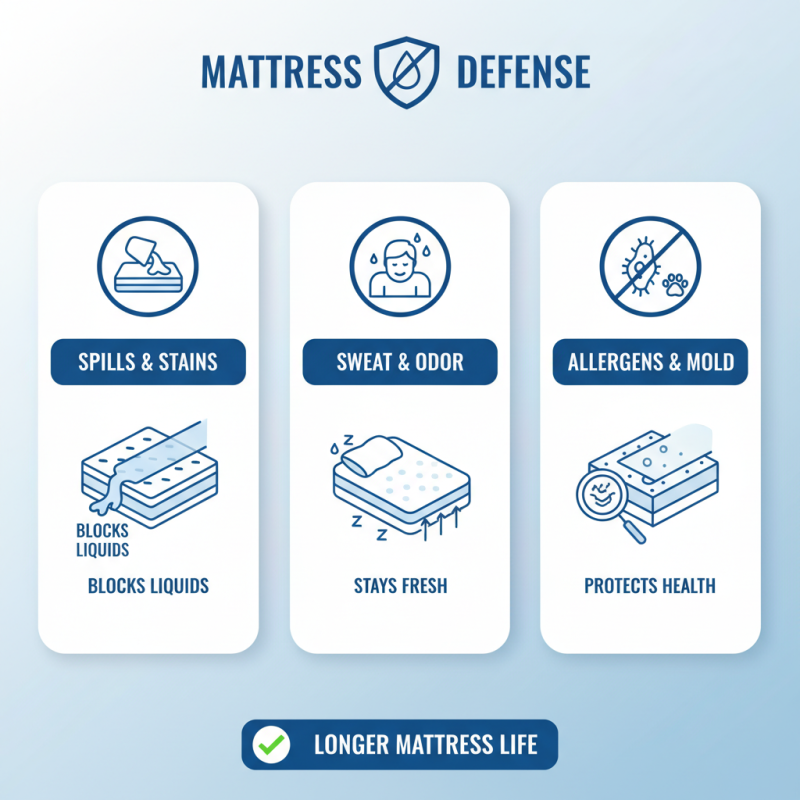
A waterproof mattress protector serves as a vital layer of defense for your mattress. Accidents happen. Whether it's spills, sweat, or pet accidents, moisture can easily seep into the mattress. This can lead to unpleasant odors and even mold growth. A good protector minimizes these risks. It keeps your mattress clean and fresh.
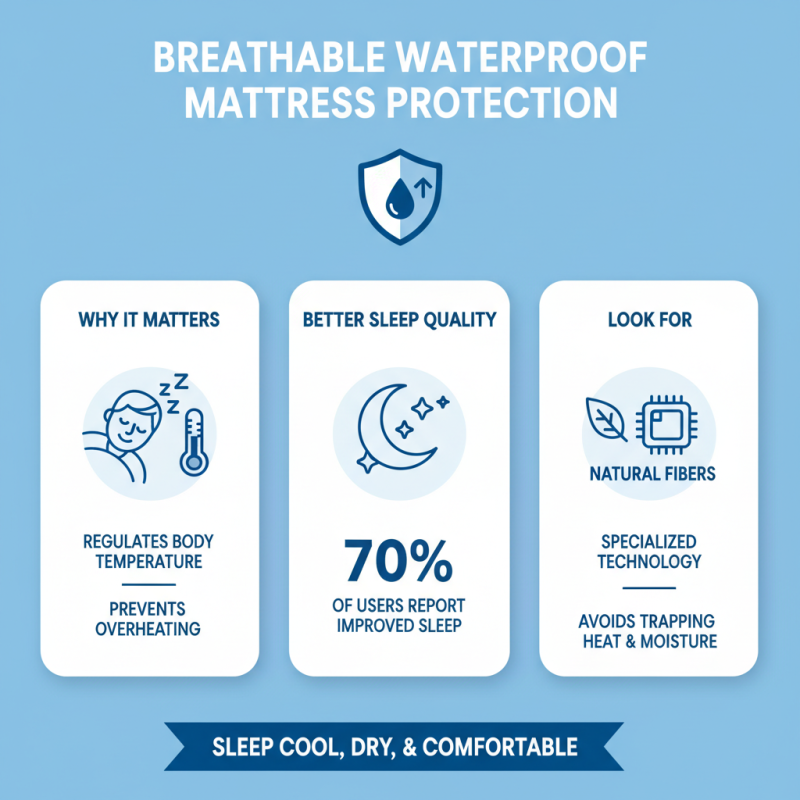
Many people overlook the importance of comfort. Some protectors may feel noisy or crinkly. This can disrupt your sleep. Always look for a protector that balances breathability and waterproof qualities. Consider how it impacts your mattress. A poorly designed protector may alter the feel of your bed. A good fit is essential; a loose protector can bunch up during the night, making it uncomfortable.
Maintenance is another factor to ponder. Some protectors require special washing instructions. This might not fit everyone’s lifestyle. You’ll want something easy to care for. After all, the goal is to enhance your sleep experience, not complicate it. Every detail counts when you choose a mattress protector.
Identifying Your Specific Needs and Preferences
When selecting a waterproof mattress protector, knowing your needs is crucial. Nearly 19% of people report allergies related to dust mites. A high-quality protector can significantly reduce allergen exposure. If you have sensitive skin, consider materials that are hypoallergenic. Some waterproof protectors may contain chemicals that can irritate skin. It is important to check for certifications that ensure safety.
Durability is another key factor. A study found that 35% of consumers return protectors due to wear and tear. Look for products that offer a good combination of waterproofing and breathability. Look for options with a 100% waterproof backing that is also breathable. It can prevent moisture buildup without compromising comfort. Some people prefer protectors that fit snugly. An ill-fitting protector can move around, causing discomfort at night. Always measure your mattress before making a choice.
Consider your lifestyle too. If spills are common, a machine-washable protector might be necessary. Remember that frequent washing can impact its lifespan. Many protectors can withstand several washes, but not all. Look for recommendations or reviews to gauge long-term performance. Discovering the right balance between protection, comfort, and maintenance is essential for a satisfactory choice.
How to Choose the Best Waterproof Mattress Protector for Your Needs?
| Feature |
Description |
Recommended For |
| Material |
Options include cotton, polyester, and blend. Choose based on breathability and comfort. |
Hot sleepers or those with allergies. |
| Waterproof Level |
Complete waterproof, water-resistant, or liquid-repellent. Determine how much protection you need. |
Parents, pet owners, or individuals prone to spills. |
| Size |
Fits standard bed sizes: Twin, Full, Queen, King. Ensure a proper fit for your mattress. |
Anyone purchasing a mattress protector. |
| Ease of Cleaning |
Machine washable vs. spot clean only. Consider your maintenance preferences. |
Busy lifestyles or those with allergies. |
| Breathability |
Some protectors are designed for airflow to prevent overheating. |
Hot sleepers or warmer climates. |
| Noise Level |
Some protectors can be rustling or crinkly. Look for quieter options if noise is a concern. |
Light sleepers or couples. |
Evaluating Different Materials for Waterproof Protection
Choosing the right material for a waterproof mattress protector is crucial. There are various options, each with advantages and drawbacks. Some materials are breathable, while others can trap heat, which may disrupt sleep. Waterproof protectors should also balance comfort and protection.
Polyester blends are commonly used. They offer good waterproof capabilities without excessive bulk. However, they can feel synthetic. Natural materials like cotton can be more comfortable, but finding fully waterproof options can be challenging. If you prefer something eco-friendly, consider bamboo. It's soft, breathable, and water-resistant. Still, not all bamboo protectors are completely waterproof.
Pay attention to the construction of seams and closures. Weak seams can lead to leaks over time. Some protectors have additional features like odor control, adding value. However, they may come at a higher cost. Reflect on how often you'll clean it. A wash can affect durability. Consider your habits and preferences when selecting the best option for your needs.
Assessing Fit and Size for Optimal Coverage
When selecting a waterproof mattress protector, assessing fit and size is crucial. A poorly fitting protector can lead to discomfort and inadequate protection. According to industry reports, 30% of consumers experience issues due to size mismatches. This can result in wear and tear that diminishes the product's effectiveness. Ensuring you measure your mattress accurately is essential for optimal coverage.
It's important to consider the depth of your mattress. Many protectors are designed for standard thickness. Yet, mattress thickness can range significantly. This range can be anywhere from 8 to 14 inches. Choosing a protector that accommodates deeper models is vital. An ill-fitting product might not cover the entire surface, leaving parts exposed to spills or allergens.
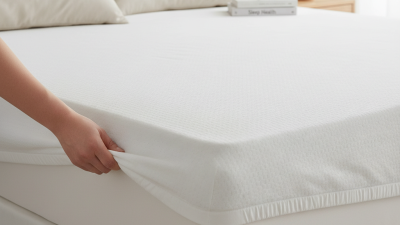
Additionally, check the elasticated skirts and corner straps. These features should ensure a snug fit. However, not all protectors deliver this effectively. Industry standards suggest that a good protector should stay in place during regular use. If it shifts or crumples easily, it may not be worth investing in. Hence, always read user reviews to gauge real-life performance and durability.
Waterproof Mattress Protector Coverage Comparison
This chart illustrates the average coverage area of various mattress sizes for waterproof mattress protectors. Choosing the right size can help ensure optimal protection for your mattress.