How to Choose Waterproof Bed Sheets at 2026 Canton Fair?
As the 2026 Canton Fair approaches, choosing the right Waterproof Bed Sheet becomes essential. This year's event promises advancements in smart home products, including innovative bedding solutions. Buyers will explore a vast range of options, but finding high-quality Waterproof Bed Sheets can be overwhelming.
Consider factors like fabric, breathability, and comfort when making your choice. Look for suppliers with certifications, such as ISO or CE, to ensure product quality. Remember, not all Waterproof Bed Sheets are created equal. Some may sacrifice softness for moisture resistance.
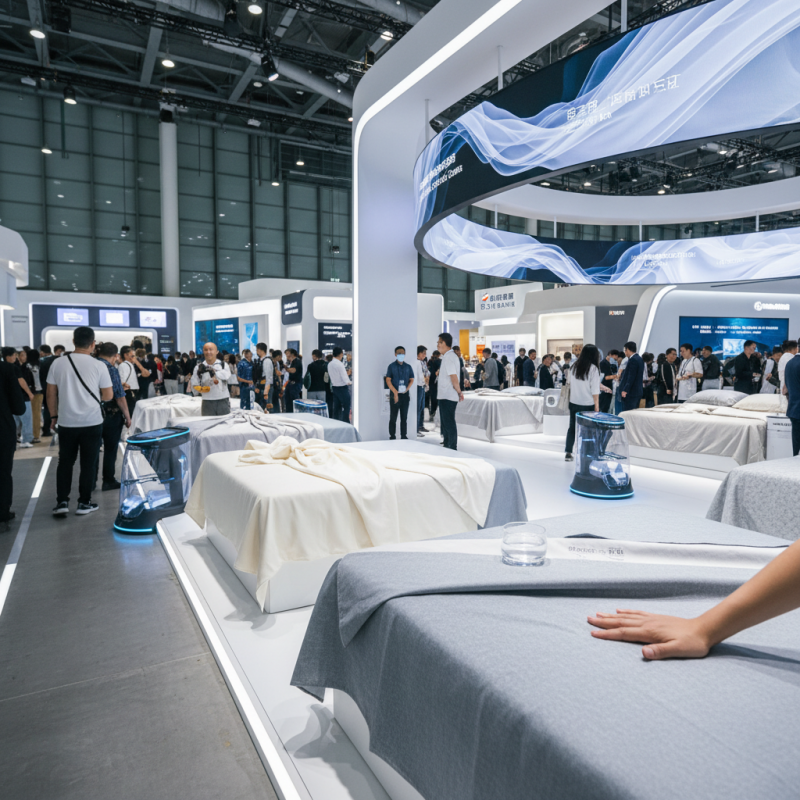
The integration of AI at the Canton Fair will enhance the shopping experience. Attendees can quickly find suppliers and navigate through the expansive exhibition space. This technology aims to streamline decision-making, allowing buyers to focus on essential details of the Waterproof Bed Sheets. Yet, even with AI assistance, personal research and testing remain crucial. Aim for sheets that merge durability and softness for the best results.
Key Factors to Consider When Selecting Waterproof Bed Sheets
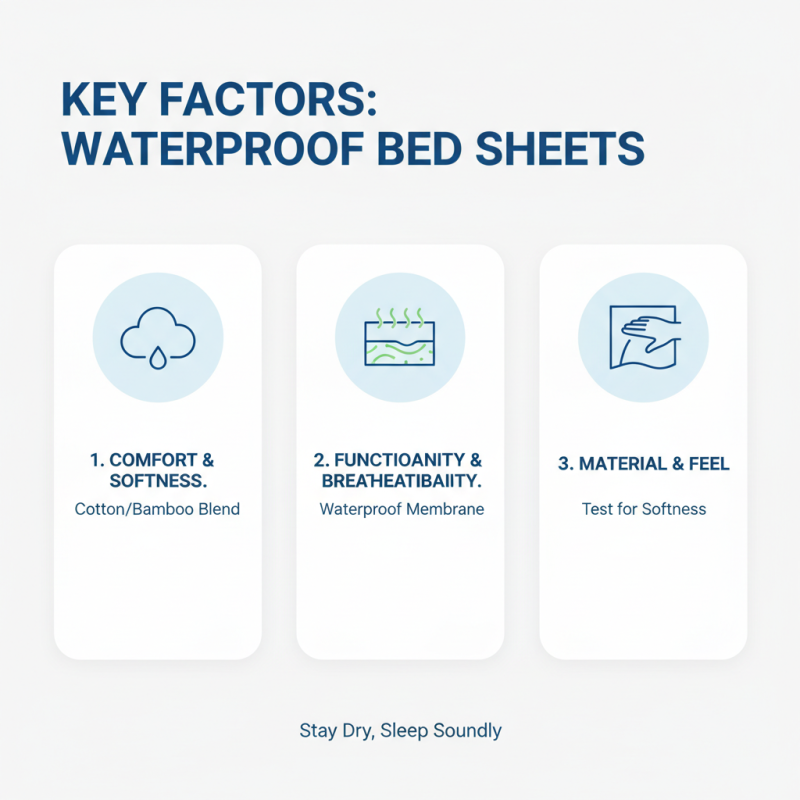
When selecting waterproof bed sheets, comfort and functionality are paramount. The fabric should feel soft against the skin. Choose materials like cotton or bamboo with a waterproof membrane. This combination ensures breathability while keeping moisture at bay. Test how it feels. Sometimes, waterproof features impact softness.
Next, consider the size and fit. A good waterproof sheet should fit snugly on your mattress. Too loose can lead to bunching. Too tight may tear the material. Look for sheets with deep pockets or adjustable features. Also, check the product's care instructions. Some require specific washing conditions that could be cumbersome.
Lastly, durability is crucial. Waterproof sheets can be an investment. Consider how often you'll use them. Frequent washing might degrade material faster. Don’t overlook warranty options. A good warranty may indicate quality. Reflect on your needs before making a selection. It’s a balance between comfort, utility, and price.
Material Selection: Understanding Fabrics with Waterproof Qualities
Choosing waterproof bed sheets requires an understanding of materials that provide effective protection. Fabrics like polyester and polyurethane are popular for their waterproof qualities. According to a recent industry report, the global demand for waterproof textiles is expected to reach $16.6 billion by 2025. This growth highlights a trend towards durability and practicality in home textiles.
When selecting materials, consider breathability. While waterproof fabrics are essential, they should also allow air circulation. Some options, like laminated cotton, offer a balance of waterproofing and comfort. However, these textiles can sometimes feel less soft than traditional cotton. Test samples to ensure the feel meets your standards.
Another key aspect is how these materials perform over time. Waterproof coatings can wear off with repeated washes. An earlier study revealed that 30% of consumers reported decreased performance after six washes. It's crucial to choose sheets that retain their waterproof properties. Review care instructions carefully to maintain their effectiveness.
Assessing Breathability and Comfort in Waterproof Bed Sheets
When choosing waterproof bed sheets, breathability and comfort are crucial factors. Many products boast waterproof features, but they can compromise airflow. A bed sheet that traps heat can make sleep uncomfortable. Look for fabrics designed to resist moisture while allowing airflow. Cotton blends or specialized synthetic materials often provide a balance of protection and breathability.
Test different fabrics at the fair. Touch the samples, and feel how they breathe. If they feel sticky or overly synthetic, they might not be the best choice. Pay attention to details, like weave patterns and thickness. Sometimes, thinner fabrics might work better than their heavier counterparts. Try to envision your comfort needs in various climates as well; humid nights will require different properties than dry ones.
Keep in mind that “waterproof” can vary widely in meaning. Some sheets offer basic protection, while others can withstand significant liquid. Read product descriptions carefully. Understanding your specific needs will help narrow down options. In the end, even promising sheets may fail if they don't meet your comfort standards. Prioritize what will keep you dry and cozy for quality sleep.
Evaluating Durability: Industry Standards for Longevity in Bed Sheets
When choosing waterproof bed sheets at the 2026 Canton Fair, durability is paramount. Manufacturers have specific industry standards that dictate longevity. Make sure the fabric passes rigorous testing for wear and tear. Look for sheets that can withstand multiple washes without losing their integrity. The quality of the waterproof backing matters too. It should remain effective over time.
Evaluate the materials used in production. Some may use high-tech fabrics, which can feel soft and breathable. Others might have heavy-duty options, which might feel stiffer. Pay attention to seams and stitching. They should feel secure. A poorly stitched sheet can lead to leaks over time. Always consider how likely it is to fade or tear with use.
Think about your specific needs. Do you have pets or kids? Then durability is even more critical. Waterproof sheets should protect against spills and accidents. Yet, even the best products can have flaws. Sometimes they won't live up to your expectations. Testing them yourself can provide insights that industry standards cannot guarantee.
Sustainability Trends: Eco-Friendly Waterproof Bed Sheet Options
As the demand for eco-friendly products increases, finding sustainable waterproof bed sheets at the 2026 Canton Fair becomes crucial. Recent data reveals that over 70% of consumers prefer environmentally friendly materials. This trend encourages manufacturers to adopt sustainable practices. Organic cotton and bamboo fibers are becoming popular choices due to their natural properties. They provide both comfort and durability while being biodegradable.
Tips for choosing eco-friendly options include checking certifications. Look for labels indicating organic materials or environmentally safe processes. This ensures the product meets sustainable standards. Remember that cheaper options may compromise quality and sustainability. Investing in higher-quality sheets can lead to a longer lifespan and reduced waste.
Additionally, consider the manufacturing processes used. Many brands are now focusing on water-saving techniques and minimal waste production. While this may result in higher prices, the environmental impact is significant. Some consumers feel overwhelmed by choices. Research helps in making informed decisions. Sustainable practices not only benefit the planet but also enhance overall product performance.