10 Essential Tips for Choosing a Hypoallergenic Mattress Cover Today?
When selecting a hypoallergenic mattress cover, quality matters. Dr. Anna Morgan, a leading allergist, emphasizes, “A good mattress cover can significantly reduce allergens.” This is crucial for individuals with allergies or asthma. A well-chosen cover acts as a barrier against dust mites, pet dander, and other irritants.
Many people underestimate the importance of a hypoallergenic mattress cover. They believe any cover will suffice. However, not all materials are created equal. Certain fabrics can trap allergens instead of repelling them. It's vital to consider multiple factors: material type, breathability, and washability.
Furthermore, consumers often overlook the necessity of regular cleaning. Even a great hypoallergenic mattress cover can become ineffective if neglected. Choosing the right cover is an investment in health. Think about your sleeping environment. Each detail can make a difference.
Understanding Hypoallergenic Mattress Covers and Their Benefits
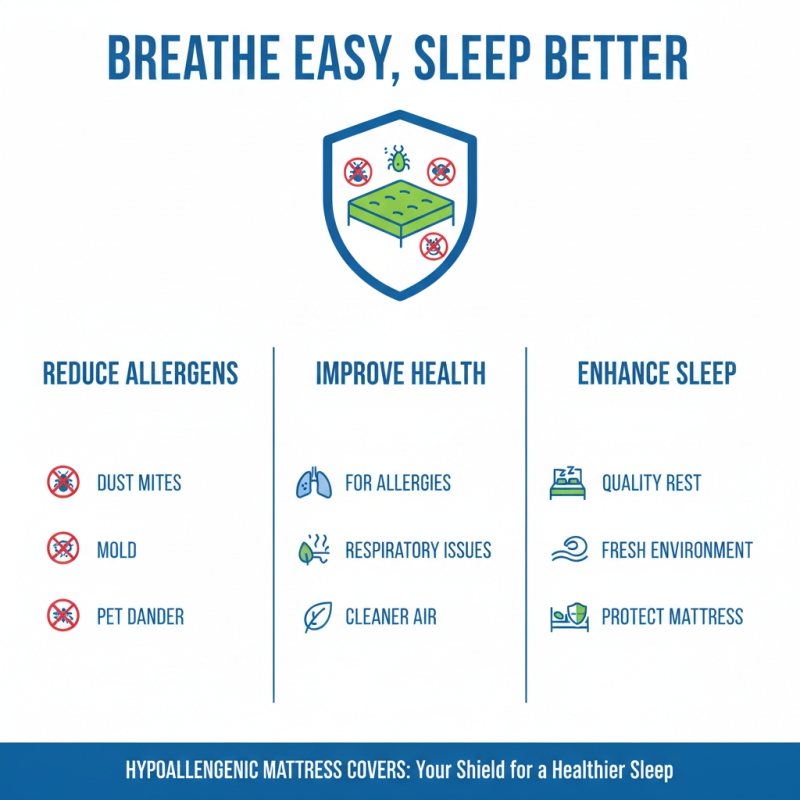
Hypoallergenic mattress covers are designed to reduce allergens in your sleep environment. They can protect against dust mites, mold, and pet dander. This is crucial for those with allergies or respiratory issues. A quality cover can help improve sleep quality by creating a cleaner atmosphere.
When selecting a hypoallergenic mattress cover, look for breathable materials. Cotton and bamboo are popular choices. They allow air circulation, which helps prevent moisture buildup. Pay attention to the looser weaves; they might trap allergens instead of blocking them. Aim for a cover that is easy to wash. Frequent cleaning is essential to keep allergens at bay.
Many consumers overlook the importance of proper fit. A tight cover may be challenging to put on and take off. Meanwhile, one that is too loose may bunch up during the night. This can lead to discomfort and interrupted sleep. It's worth investing time in finding the right cover for your needs.
Key Materials Used in Hypoallergenic Mattress Covers
When choosing a hypoallergenic mattress cover, understanding the key materials is crucial. Many covers are made from organic cotton, bamboo, or microfiber.
Organic cotton is soft and breathable. It helps reduce allergens effectively.
Bamboo is naturally antimicrobial. It absorbs moisture while providing a cool sleeping surface. Microfiber, on the other hand, is often treated to repel dust mites.
Consider the weave and thread count as well. A tighter weave can prevent allergens from penetrating. However, some people find them less breathable. It’s essential to strike a balance. This might mean trying a few options before settling on one. Each material reacts differently, so personal experience matters.
When selecting your mattress cover, think about its washing instructions. Some materials can withstand frequent washing, while others may lose their properties. Regular cleaning is vital for maintaining a hypoallergenic environment. Hypoallergenic does not guarantee allergy-free; be mindful of your sensitivities. Shopping for a mattress cover requires some trial and error. You'll learn what works best for your needs.
Factors to Consider When Choosing a Hypoallergenic Mattress Cover
When choosing a hypoallergenic mattress cover, consider the materials used. Opt for natural fibers like cotton or bamboo. These options are breathable and less likely to harbor allergens. Synthetic materials may sometimes trap moisture, creating a breeding ground for dust mites and mold. Pay attention to the thread count, as a higher count often indicates better quality.
Another important factor is the cover's ability to be washed. Regular washing helps eliminate allergens. Look for covers that are machine washable and durable enough to withstand frequent cleaning. Ease of maintenance plays a key role in keeping your sleeping environment healthy.
Also, check for certifications. Certifications ensure that the mattress cover meets specific hypoallergenic standards. This gives you peace of mind about its effectiveness. While shopping, don't hesitate to feel the texture of the materials. Comfort matters too; an uncomfortable mattress cover will affect your sleep quality. Your investment in comfort is just as important as your investment in protection against allergens.
10 Essential Tips for Choosing a Hypoallergenic Mattress Cover
Evaluating the Safety Standards and Certifications of Mattress Covers
When choosing a hypoallergenic mattress cover,
safety standards and certifications are crucial. Look for certifications from reputable organizations.
These certifications indicate that the product meets specific safety and health criteria.
It’s essential to ensure that materials are free from harmful chemicals.
Many covers claim to be hypoallergenic. However, not all meet stringent safety standards.
Checking for certifications like OEKO-TEX
can provide peace of mind. This certification shows that the product has been tested for harmful substances.
However, remember that some manufacturers might misrepresent their claims.
Also, consider the materials used in the cover. Natural fibers like cotton are often
safer than synthetic ones. However, cotton might still be treated with chemicals.
Always read labels carefully. Sometimes details are buried in small print.
Ensuring safety is not just about comfort; it’s about your health too.
Reflect on your choices and research thoroughly.
Tips for Maintaining and Caring for Your Hypoallergenic Mattress Cover
Maintaining a hypoallergenic mattress cover is crucial for optimal performance. Regular cleaning is key. The Asthma and Allergy Foundation of America suggests washing your cover every two weeks. Use hot water to kill allergens and bacteria. Many people neglect this, leading to a buildup of dust mites and mold. This can impact sleep quality.
In addition to washing, it’s important to check for wear and tear. A damaged cover may allow allergens to seep through. Regularly inspect seams and zippers. The CDC reports that about 20 million Americans suffer from dust mite allergies. Investing time in care can significantly reduce exposure.
Consider using a protective barrier underneath. This can double as an extra layer of defense. However, not everyone remembers to do this. A study by the Journal of Allergy and Clinical Immunology found that proper encasements can lower allergy symptoms by up to 74%. Caring for your mattress cover is not just about hygiene; it’s about enhancing health and comfort.