2026 How to Choose the Best Zippered Mattress Cover?
Choosing the right zippered mattress cover can significantly enhance your sleep quality. According to Dr. Emily Carter, a leading expert in mattress protection, “A quality zippered mattress cover safeguards against allergens and extends the life of your mattress.”
When selecting the best zippered mattress cover, factors such as material, size, and breathability come into play. High-quality materials like cotton or polyester not only enhance comfort but also aid in temperature regulation. Additionally, the proper size ensures a snug fit, preventing any movement or slipping during the night.
While a zippered mattress cover offers many benefits, it’s vital to reflect on your specific needs. For instance, if you have allergies, investing in a hypoallergenic cover may be essential. Understanding these nuances can make a noticeable difference in your overall sleep experience.
Understanding the Importance of a Zippered Mattress Cover
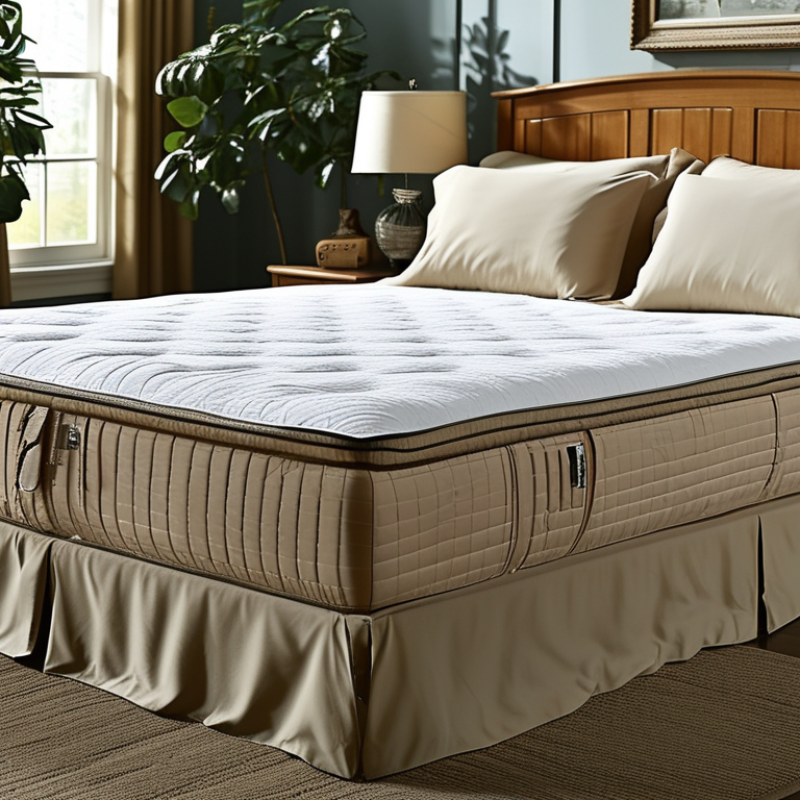
A zippered mattress cover plays a significant role in maintaining the quality and longevity of your mattress. It can protect your bed from spills, allergens, and dust mites. This protective layer acts as a barrier, ensuring that your mattress remains clean and in good condition. Over time, exposure to dust and allergens can lead to health issues. A high-quality cover minimizes these risks, allowing for better sleep quality.
Choosing the right zippered cover involves understanding your needs. Materials vary, affecting breathability, warmth, and protection. Some covers are waterproof, which is crucial for households with young children or pets. You might overlook the importance of fit, as a poorly fitted cover can hinder its protective benefits. Pay attention to the size and zipper quality, as a durable zipper ensures longevity and effective sealing.
Reflecting on personal experience, I’ve found that some zippered covers can be difficult to put on or take off. This inconvenience can deter regular cleaning, ultimately compromising your mattress's health. It's essential to strike a balance between ease of use and quality. Investing time in researching options can make a significant difference in your sleep environment.
Key Features to Consider When Choosing a Zippered Mattress Cover
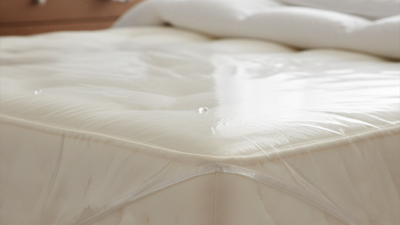
When selecting a zippered mattress cover, consider its material. High-quality fabrics like cotton or polyester offer durability and comfort. Check for waterproof features, which protect against spills and accidents. A breathable cover helps maintain a comfortable temperature while you sleep.
Tips: Always choose a cover that fits your mattress size precisely. A loose cover can slip and cause discomfort. Look for covers with hypoallergenic properties if you have allergies. They can deter dust mites and other allergens effectively.
Next, pay close attention to the zipper quality. A sturdy zipper ensures easy removal and washing. Weak zippers can break, leading to frustration. Some covers feature double zippers for extra security.
Tips: Test the zipper before purchase. It should glide smoothly without any sticking. Consider covers with removable or machine-washable features. This makes maintenance simple and keeps your mattress clean. Ultimately, investing time in selecting the right cover pays off in restful sleep.
Materials Used in Zippered Mattress Covers and Their Benefits
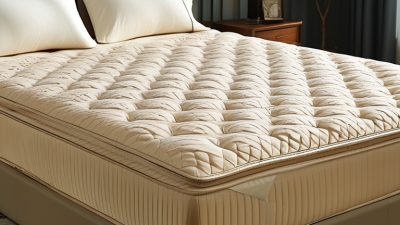
When selecting the best zippered mattress cover, materials play a crucial role. Various fabrics offer unique benefits that suit different needs. Cotton is a popular choice due to its breathability and softness. It regulates temperature well, providing comfort year-round. However, it may not be waterproof, which can be a concern for some users.
Polyester is another common material. It is durable and often resistant to stains, making it easier to clean. Some polyester covers also include a waterproof layer. Yet, the synthetic nature may not appeal to those seeking natural fibers. Users should weigh these factors when choosing.
Additionally, consider the presence of hypoallergenic materials. Covers made from bamboo or other natural fibers can help reduce allergens. This is beneficial for those suffering from allergies. However, these materials may come with a higher price tag. Finding the right balance between cost and quality is essential for a wise decision. Exploring these options can enhance your sleeping experience substantially.
Materials Used in Zippered Mattress Covers and Their Benefits
Sizing and Fit: Ensuring Your Zippered Mattress Cover is Just Right
When choosing a zippered mattress cover, proper sizing and fit are crucial. A cover that is too large may slip off your mattress and let dust and allergens in. On the other hand, a cover that is too tight can tear or restrict the mattress's movement. Measure the height, width, and length of your mattress carefully. Don't assume all mattresses of the same size are the same. Variations do exist, even among similar sizes.
Consider the depth of your mattress when selecting a cover. Many mattress covers come with deep-pocket options to accommodate thicker mattresses. Flat covers might fit easily, but they may not provide complete protection. Make sure the zippered edges are smooth to avoid wear and tear over time. It’s essential to inspect the zipper's quality as well; a fragile zipper can be a source of frustration later.
Don’t overlook the importance of fabric choice. Some materials are more breathable, while others may create heat retention. Think about how you sleep. If you tend to overheat, a breathable cover is ideal. Reflect on your needs and preferences when making the final decision. Often, you might not realize the significance of these factors until after using the cover. So, take your time to choose wisely.
Maintenance and Care Tips for Long-lasting Zippered Mattress Covers
Caring for a zippered mattress cover is essential for its longevity. Research indicates that improper maintenance can reduce its lifespan by up to 30%. Regular washing is crucial, but following the care label is equally important. Most zippered covers can be machine-washed, but high heat settings can cause shrinkage. Aim for a gentle cycle and cold water to maintain shape and fit.
Dust mites and allergens are common concerns. Maintaining a clean cover helps in minimizing these issues. Reports suggest that encasing a mattress can lower dust mite levels by around 80%. Ensure you vacuum the zipper and seams regularly. It's here where allergens tend to accumulate. Neglecting to do so may defeat the purpose of using a protective cover.
Occasionally inspect the zipper for wear and tear. A failing zipper can render the cover ineffective. Replace your cover every five years, even with regular maintenance. This can often be overlooked, yet it remains critical for a healthy sleep environment. A fresh cover will perform better in protecting against spills and allergens. Prioritize these maintenance tips to ensure your zippered mattress cover serves its purpose effectively for years.