2026 How to Choose the Right Pul Fabric for Your Needs?
Choosing the right Pul Fabric is essential for various applications, from clothing to outdoor gear. Renowned industry expert Dr. Emily Harper states, "Selecting the right Pul Fabric can significantly impact performance and durability." This insight underscores the importance of informed choices.
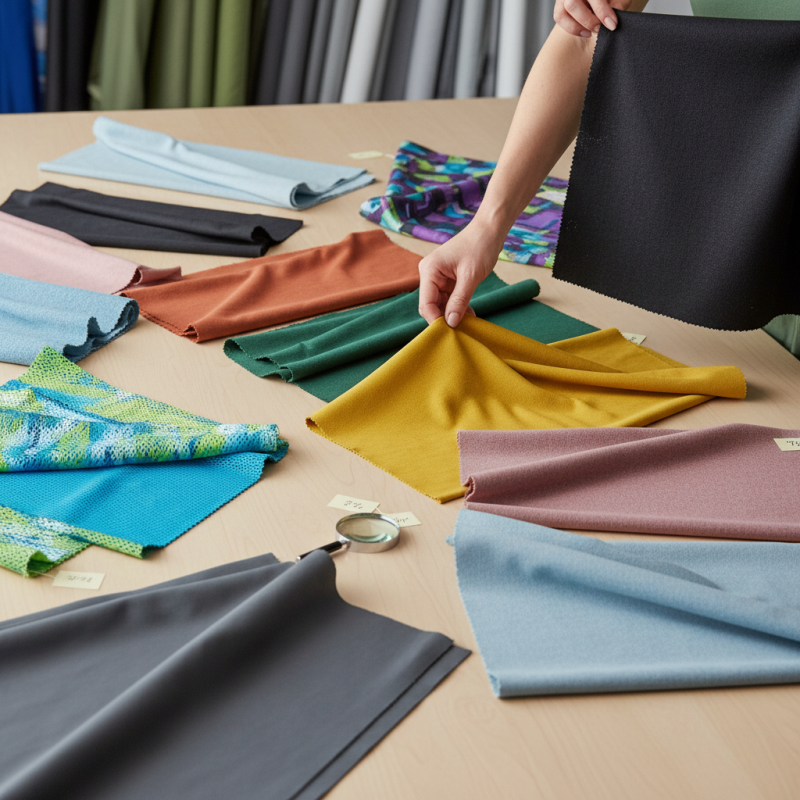
When selecting Pul Fabric, consider its weight, texture, and water resistance. These factors influence how well the material meets your needs. For example, lightweight Pul Fabrics are great for activewear, while heavier versions suit gear requiring more durability. However, aesthetics also play a role in your decision. The right color and pattern can transform functionality into style.
Many manufacturers offer a wide variety of Pul Fabrics, making choices overwhelming. It's easy to feel lost in options. Not every fabric will be ideal for your project. Testing samples proves crucial for finding a perfect match. A careful evaluation helps in making the right decision. After all, the material you choose can either enhance your project or lead to frustration.
Understanding Pul Fabric: Definition and Characteristics
Pul fabric is a popular choice in various industries due to its unique properties.
It is a waterproof, breathable fabric made from polyurethane laminate. This material provides excellent protection against moisture
while allowing air circulation. According to a recent industry report, the demand for PU fabrics
is projected to grow by 5% annually through 2026. This growth reflects the
increasing need for durable materials in outdoor gear, medical applications, and eco-friendly products.
Understanding pul fabric involves recognizing its characteristics. It is lightweight
and flexible, making it ideal for various uses. The fabric can be machine washed,
which adds to its appeal. However, it's important to note that not all pul materials are created equal. Some products may contain harmful
chemicals or additives that could be a concern. Conducting a thorough inspection of the fabric source is vital.
Tips: Look for certifications when choosing pul fabric. This can
ensure quality and safety. Also, consider the intended use of the fabric. Durability needs
may differ between outdoor gear and baby products. Choosing the right fabric requires careful evaluation of your specific needs.
The right pul fabric should balance performance with safety.
Types of Pul Fabrics: A Comprehensive Overview
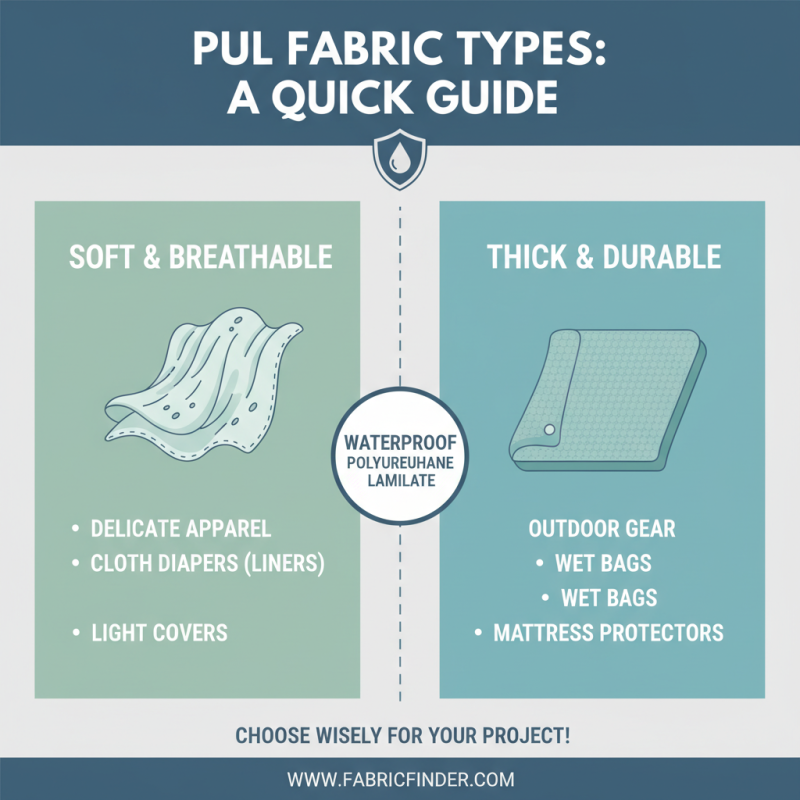
When choosing the right PUL fabric, understanding its types is crucial. PUL stands for Polyurethane Laminate. This fabric is known for its waterproof qualities. There are different types of PUL fabrics available. Some are softer and more breathable, while others are thicker and more durable. Each type has its unique advantages.
For instance, laminated PUL is often used for cloth diapers. It provides excellent leak protection while being gentle on the skin. On the other hand, waterproof PUL can be used for wet bags or stroller liners. The thickness can vary from light to heavy-duty options. This can influence the feel and flexibility of the fabric.
Tips: Always check the weight of the PUL fabric. A lighter weight may be easier to sew, but it may not last as long. When choosing a type, consider your specific needs. Test different samples to see how they feel. It’s also wise to think about how often you will wash the item. Not all PUL fabrics handle repeated washing well. Focus on quality and suitability for your projects to ensure lasting results.
Key Factors to Consider When Choosing Pul Fabric
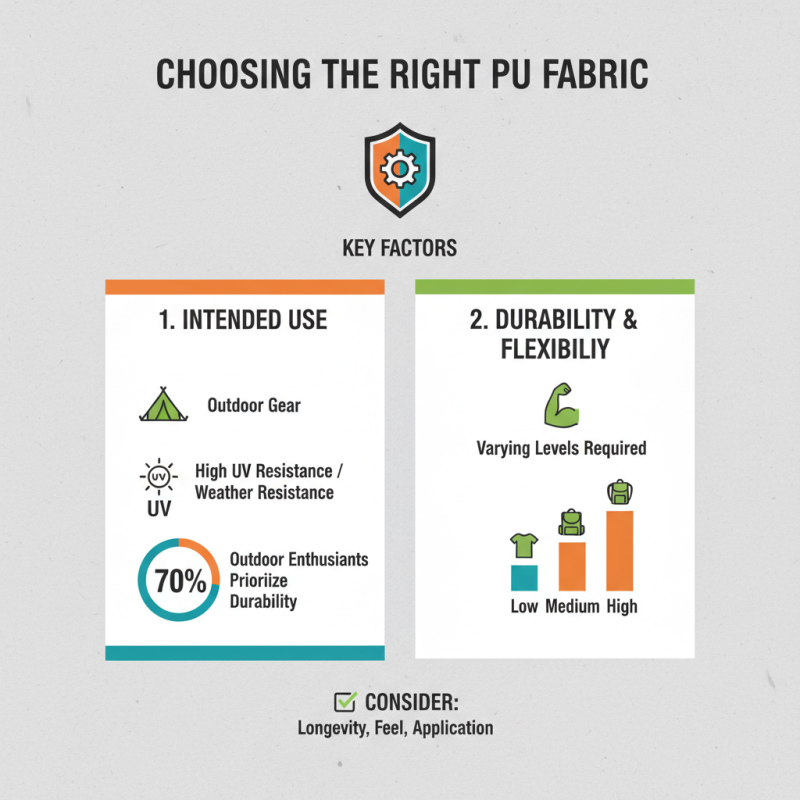
When selecting the right PU (polyurethane) fabric for your needs, consider several key factors. First, think about the intended use of the fabric. Different applications require varying levels of durability and flexibility. For instance, if you need fabric for outdoor gear, look for products with high UV resistance. Reports indicate that 70% of outdoor enthusiasts prefer fabric rated for longevity and weather resistance.
Another factor is breathability. PU fabrics can be highly breathable, which is vital for activewear and comfort. However, not all PU fabrics offer the same level of breathability. You might find some options more suited to high-intensity activities. Look for fabric with moisture-wicking properties if you prioritize comfort during physical activities.
**Tip:** Always check the fabric's thickness. A thicker PU may provide enhanced durability but can also reduce flexibility. Balance your need for strength with the flexibility required for your specific use case.
Additionally, consider the environmental impact of PU fabrics. Reports show that sustainable production methods are gaining traction. Some manufacturers utilize recycled materials, which are essential for eco-conscious consumers. Evaluating the production processes behind the fabric can shed light on its overall sustainability.
**Tip:** Ask for certifications when in doubt. They can indicate whether the fabric meets environmental and safety standards.
Applications of Pul Fabric in Various Industries
Pul fabric is widely used across various industries due to its unique properties. In the medical sector, it often serves as a breathable material for surgical gowns and masks. This allows for comfort and moisture management during long procedures. Soft yet durable, pul fabric is also handy for diaper manufacturing. It keeps moisture in while allowing air circulation, crucial for infant skin health.
In the outdoor gear industry, pul's water-resistant features are essential. Many hiking and camping accessories use this fabric. It helps keep items dry and protected from the elements. However, not all pul fabrics are created equal. Some may not withstand harsh conditions as well as others.
The fashion industry has also embraced pul fabric. It's finding its way into stylish jackets and activewear. The challenge lies in ensuring comfort and sustainability. Consumers often seek ethical production methods, yet brands must balance cost and quality. Poor choices might lead to dissatisfied customers, highlighting the need for reflection on sourcing practices.
Applications of Pul Fabric in Various Industries
Maintenance and Care Tips for Pul Fabric Products
Maintaining and caring for pul fabric products is crucial for ensuring longevity and performance. According to industry reports, proper care can extend the lifespan of pul fabric by up to 30%. Regular cleaning is essential. Washing with cold water is recommended. Avoid chlorine bleach, as it can damage the fabric's integrity.
Storage is another important factor. Store pul items in a cool, dry place. Keep them away from direct sunlight to prevent fading. Some users may overlook this detail, leading to premature wear. It is also wise to periodically inspect items for signs of deterioration, such as cracks or discoloration.
When using pul products, damp conditions can lead to mildew growth. If mildew appears, clean it promptly with a diluted vinegar solution. Still, not everyone may notice mildew in time, which can cause challenges later. Understanding these care tips can help users maximize their investment in pul fabric, ensuring it meets their needs effectively.
2026 How to Choose the Right Pul Fabric for Your Needs? - Maintenance and Care Tips for Pul Fabric Products
| Fabric Type |
Water Resistance |
Breathability |
Durability |
Maintenance Tips |
| PU Coated Fabric |
High |
Moderate |
Good |
Wipe clean with damp cloth; avoid harsh detergents |
| PVC Fabric |
Very High |
Low |
Excellent |
Rinse with water; do not machine wash |
| TPE Fabric |
Moderate |
High |
Good |
Machine wash cold; air dry |
| EVA Fabric |
Moderate |
Moderate |
Fair |
Clean with soft sponge; avoid extreme heat |