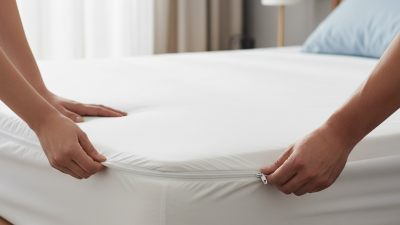
10 Mattress Encasement Buying Tips for Global Buyers
Buying a Mattress Encasement for international use requires more than comparing prices and thread counts. Global buyers must assess protection, fit, fabric performance, supplier reliability, and long-term care. A product may look strong online but fail when its zipper gaps, seams, or waterproof coating face repeated washing. Fit comes first.
This guide explains ten practical buying tips for importers, hospitality groups, retailers, and distributors. It examines mattress dimensions, depth allowances, breathable materials, allergen-resistant construction, zipper quality, and certified textile testing. Buyers should request product samples, technical sheets, inspection photos, and clear care instructions before placing large orders. Small details matter. For example, a mattress measuring 30 centimeters deep may need an encasement with extra room for movement and shrinkage. A tight fit can stress the zipper and reduce comfort.
Experienced purchasing teams also compare minimum order quantities, packaging methods, lead times, replacement policies, and communication standards. Regional climate deserves attention, too. Humid destinations may require breathable fabrics, while colder markets may value softer, quieter materials. Certification claims should be verified through current documentation, not attractive wording alone. No supplier is perfect, including established ones. Review assumptions carefully. A sample can reveal odors, noise, stitching weakness, or difficult installation before those problems affect customers. With structured checks and realistic expectations, buyers can select a Mattress Encasement that supports hygiene, durability, comfort, and dependable global distribution.
Define Mattress Encasement Types and Global Buyer Requirements
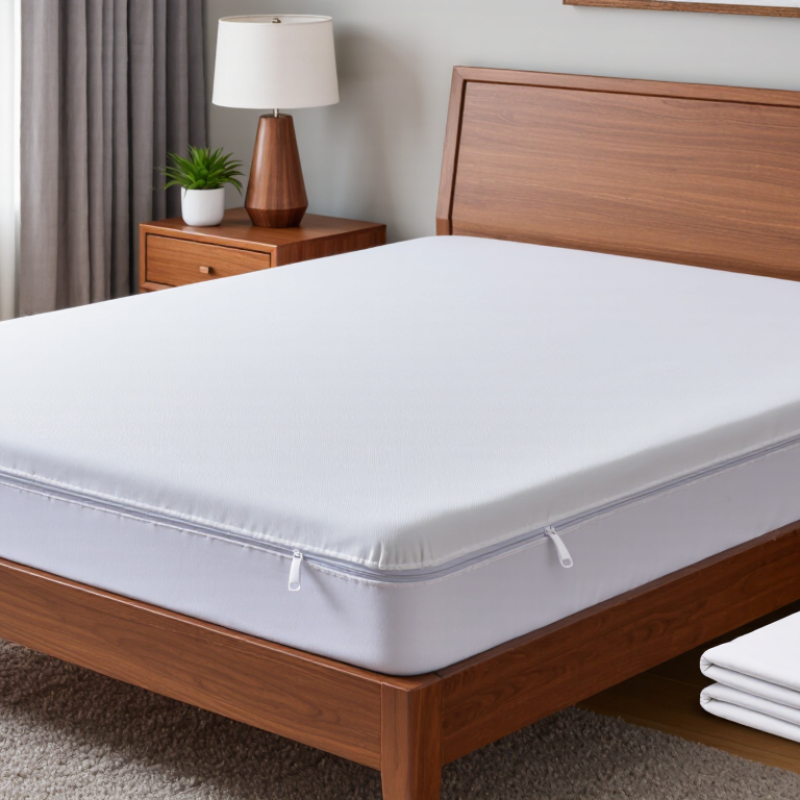
Mattress encasements generally fall into three types: allergen-barrier covers, waterproof protectors, and full-zipper encasements covering all six sides. Buyers should define the intended use before comparing fabrics. A tightly woven barrier may help limit allergen exposure; a coated membrane can block liquid but may feel warmer. Check zipper coverage, seam construction, fabric weight, and care instructions. Small details matter.
The World Health Organization estimated that 262 million people had asthma in 2019, but an encasement is not a treatment. A Cochrane review of allergen-control measures found that mattress covers alone did not reliably improve asthma symptoms. This is worth remembering: a strong marketing claim is not the same as proven health benefit. Ask suppliers for test methods and independent laboratory results, not just “allergen-proof” wording.
Global buyers should specify mattress dimensions, depth, zipper placement, and laundering conditions for each destination market. Request shrinkage, seam-strength, and liquid-resistance results where relevant, and check that tests match the product’s intended use. Confirm fiber content, care symbols, packaging language, and available documentation with local import partners. These needs vary. A hotel buyer may prioritize frequent washing and quick drying; a household buyer may care more about quiet fabric and fit. I would also test samples on actual mattresses—dimensions on paper can be misleading.
Evaluate Suppliers, Certifications, Customization, and Minimum Order Quantities
Global buyers should evaluate a mattress encasement supplier beyond price. Grand View Research valued the global mattress market at approximately USD 51.76 billion in 2023, with continued growth expected through 2030. That scale increases supplier choice, but also increases quality differences. Request factory photos, production records, material specifications, and recent third-party test reports. Check whether the laboratory is accredited, not merely named on a certificate.
Certifications need careful reading. OEKO-TEX STANDARD 100 can verify tested textile components for harmful substances, while GRS may support recycled-content claims. Neither certificate automatically proves waterproof performance or zipper durability. Ask for hydrostatic pressure results, seam testing, shrinkage data, and wash-cycle performance. A 2023 home-textile report from Textile Exchange highlights continued movement toward recycled fibers, yet recycled content alone does not guarantee longer service life. I have seen attractive samples fail at the zipper after repeated washing. Small details matter.
Customization should cover fabric weight, membrane structure, zipper placement, corner depth, labeling, packing, and carton dimensions. Confirm tolerances in writing. Minimum order quantities deserve the same attention. Compare MOQ by size, color, and material, because “one MOQ” can hide several production thresholds. A pilot order of 100 to 300 units may reveal fitting or odor problems before a larger shipment. It may also cost more per unit. That trade-off is easy to underestimate. Suppliers with ISO 9001 systems can offer stronger process control, but buyers should still arrange pre-shipment inspection and retain sealed samples for future comparison.
Review Pricing, Shipping, Warranty, and After-Sales Support иҟаз
Global buyers should judge mattress encasement pricing beyond the unit quote. Ask for a clear breakdown of fabric, zipper, packaging, and inspection costs. Check the currency and quotation validity period. A low price can hide weak seams or limited service. I once compared two offers without checking carton dimensions. The cheaper option created unexpected freight costs. That mistake still influences my purchasing checklist.
Request shipping details before approving samples or bulk orders. Confirm production time, dispatch location, carton weight, and tracking procedures. Ask whether the quote includes delivery, customs handling, or only transport to the port. Calculate the landed cost for your destination. Add a small buffer for delays. Shipping estimates are not promises. A written schedule is more useful than a confident sales message.
Warranty terms need practical wording. Check coverage for zipper failure, fabric defects, seam separation, and color changes. Ask how long the warranty lasts after delivery, not only after production. Review exclusions carefully, especially washing damage and incorrect installation. Reliable after-sales support should provide a named contact, response targets, and evidence requirements. Ask how claims are inspected and whether replacement parts are available. Keep purchase records and photographs. Some claims become difficult because buyers document problems too late. Even strong suppliers may handle one case poorly, so test their response with detailed questions before placing a large order.