Top Pillow Protector Waterproof Options for Ultimate Sleep Comfort in 2025
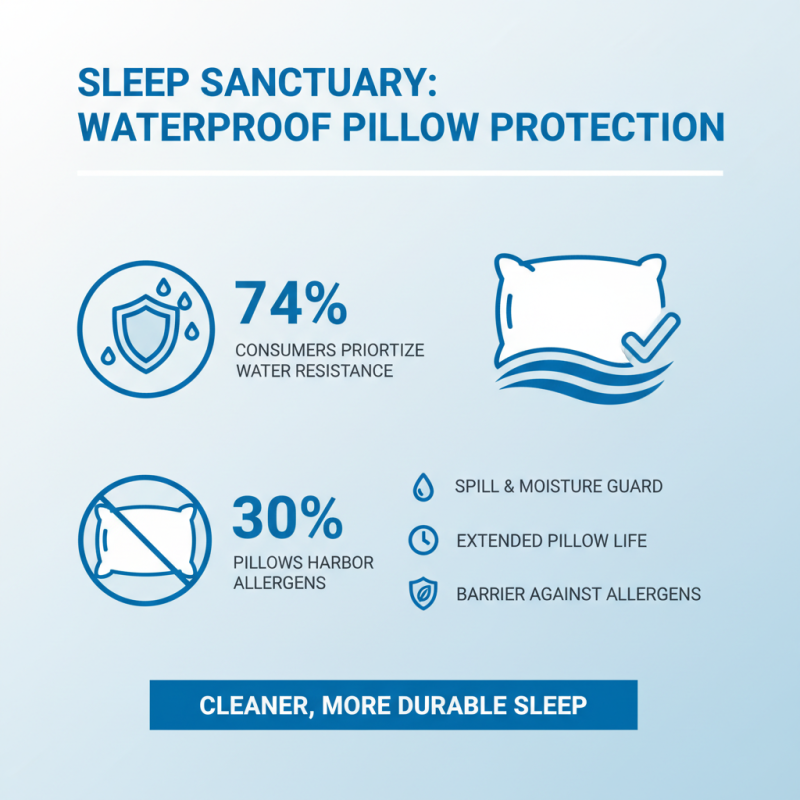
In the quest for optimal sleep comfort, the significance of a quality pillow protector cannot be understated. As we step into 2025, the demand for innovative sleep solutions has given rise to a variety of options designed to enhance our nightly rest. One of the most essential features to consider when selecting a pillow protector is water resistance, which leads us to the prominence of the "Pillow Protector Waterproof." These advanced protectors not only shield your pillows from spills and stains but also contribute to a cleaner, healthier sleep environment.
Waterproof pillow protectors are particularly vital for maintaining the longevity of your pillows, which can harbor dust mites, allergens, and moisture over time. As we explore the top waterproof options available this year, it becomes clear that these products not only prioritize functionality but also embrace comfort and style. In an era where sleep hygiene is closely linked to overall well-being, investing in a quality waterproof pillow protector is a smart choice for anyone looking to enhance their sleep quality. Whether you're a restless sleeper or simply want to prolong the life of your bedding, understanding the features and benefits of waterproof options will pave the way for a more restful experience.
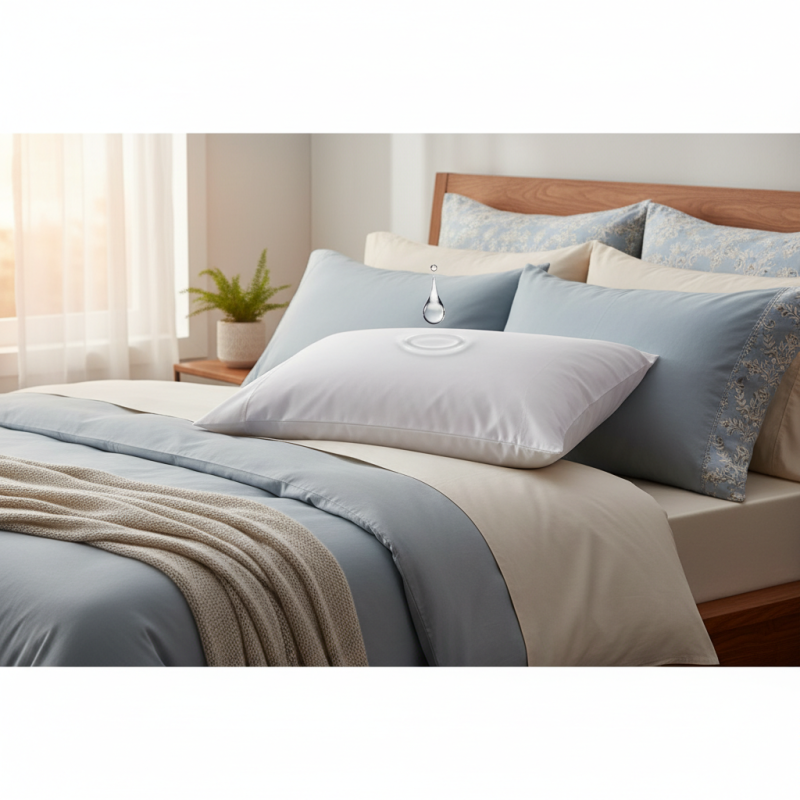
Top Features to Look for in Waterproof Pillow Protectors
When seeking the ultimate in sleep comfort, choosing the right waterproof pillow protector is essential. One of the key features to look for is the material composition. High-quality waterproof protectors often utilize breathable fabrics that prevent moisture buildup while ensuring a comfortable night's sleep. Look for options made with natural fibers or advanced synthetic blends that enhance airflow and temperature regulation. This balance of waterproof capabilities and breathability not only helps keep your pillows dry but also contributes to a more restful sleep environment.
Another important feature to consider is the fit and design of the pillow protector. Ensure that the protector is designed to snugly fit your pillow size, offering full coverage without compromising comfort. A zipper or envelope closure can provide an added layer of protection, preventing dust mites and allergens from entering. Additionally, machine-washable options are convenient for maintaining hygiene and ensuring longevity. With these features in mind, you can select a waterproof pillow protector that combines practicality with the comfort necessary for restorative sleep in 2025.
Top Pillow Protector Waterproof Options for Ultimate Sleep Comfort in 2025
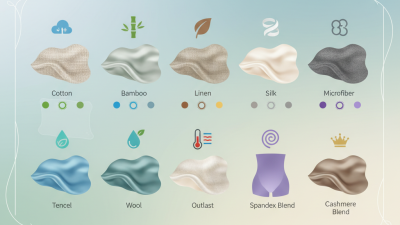
Material Types: Best Fabrics for Comfort and Durability
When selecting a waterproof pillow protector, the choice of fabric is crucial for ensuring both comfort and durability. Popular materials include polyester, cotton, and bamboo blends, each boasting unique properties. Polyester is celebrated for its water resistance and ease of maintenance, making it an excellent option for those who prioritize practicality. Its smooth texture enhances comfort, while its sturdiness ensures that the protector withstands frequent washing without losing shape or efficacy.
Cotton is another favored material, prized for its breathability and softness. Cotton pillow protectors often feature a waterproof membrane that prevents moisture from seeping through while allowing air circulation, promoting a cooler sleep environment. Additionally, organic cotton options provide a hypoallergenic choice, making them ideal for sensitive sleepers.
Lastly, bamboo fabric, known for its sustainability, offers natural moisture-wicking properties. A bamboo pillow protector can provide a silky feel against the skin while effectively safeguarding against spills and allergens, ensuring a restful night’s sleep without compromise.
Comparison of Waterproof Technologies in 2025 Pillow Protectors
In the quest for optimal sleep comfort, waterproof pillow protectors have emerged as essential bedding accessories for 2025. Recent advancements in waterproof technologies have transformed these protectors into sophisticated products that not only shield pillows from spills and allergens but also enhance overall sleep quality. The most common materials utilized in these protectors include polyurethane, which is celebrated for its durability and breathability, as well as TPU (thermoplastic polyurethane), known for its waterproof yet soft texture.
According to a recent market report, the demand for waterproof pillow protectors is expected to grow by 15% annually as consumers prioritize both hygiene and comfort in their sleep environments. Innovations in nanotechnology have also played a pivotal role, allowing manufacturers to create ultra-thin, lightweight designs that effectively resist moisture without compromising on comfort. This evolution in design has led to an increase in the thermal regulation properties of these protectors, ensuring a more comfortable sleep experience across various climates.
With the rising awareness of allergens and dust mites, which affect approximately 50 million Americans annually, choosing the right waterproof pillow protector has become more crucial than ever for a restful night’s sleep.
Maintenance Tips for Long-lasting Waterproof Pillow Protectors
When investing in waterproof pillow protectors, proper maintenance is essential to ensure their longevity and effectiveness. To keep your pillow covers in optimal condition, start with regular cleaning. Most waterproof protectors can be wiped down with a damp cloth, which helps remove minor stains and dirt. For deeper cleaning, it's advisable to follow the manufacturer's instructions on washing. Typically, a gentle cycle with cold water and a mild detergent is recommended. Avoid using bleach or fabric softeners, as these can degrade the material over time.
Another key aspect of maintaining waterproof pillow protectors is to ensure they are dried thoroughly. If possible, line dry your protectors in a well-ventilated area; this approach not only preserves the waterproofing but also prevents potential odors from dampness. If you need to use a dryer, opt for a low heat setting to prevent damage. Additionally, regularly inspecting your pillow protectors for any signs of wear and tear will help you address any issues early on, ultimately extending their useful life and ensuring a comfortable sleep environment.
Top Pillow Protector Waterproof Options for Ultimate Sleep Comfort in 2025
| Pillow Protector Type |
Material |
Waterproof Rating |
Breathability |
Care Instructions |
Expected Lifespan |
| Zippered Waterproof Protector |
Polyester & TPU |
100% Waterproof |
Excellent |
Machine wash cold, tumble dry low |
5 years |
| Fitted Waterproof Protector |
Cotton & Vinyl |
Water-resistant |
Good |
Hand wash, do not bleach |
3 years |
| Encasement Protector |
Microfiber & Laminated |
Fully Waterproof |
Moderate |
Machine wash warm, do not iron |
7 years |
| Luxury Waterproof Protector |
Bamboo & TPU |
Ultra Waterproof |
Excellent |
Machine wash cold, do not dry clean |
6 years |