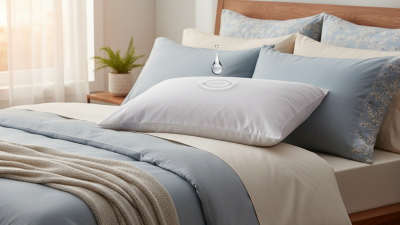
Why Choose a Plastic Mattress Cover for Better Protection and Hygiene?
A Plastic Mattress Cover is an essential item for modern living. Many people overlook its importance, but it plays a crucial role in ensuring hygiene and protection. Everyday items like sweat, dust mites, and spills can damage a mattress. These factors can lead to allergens and unpleasant odors. Investing in a high-quality plastic cover protects your mattress from these issues.
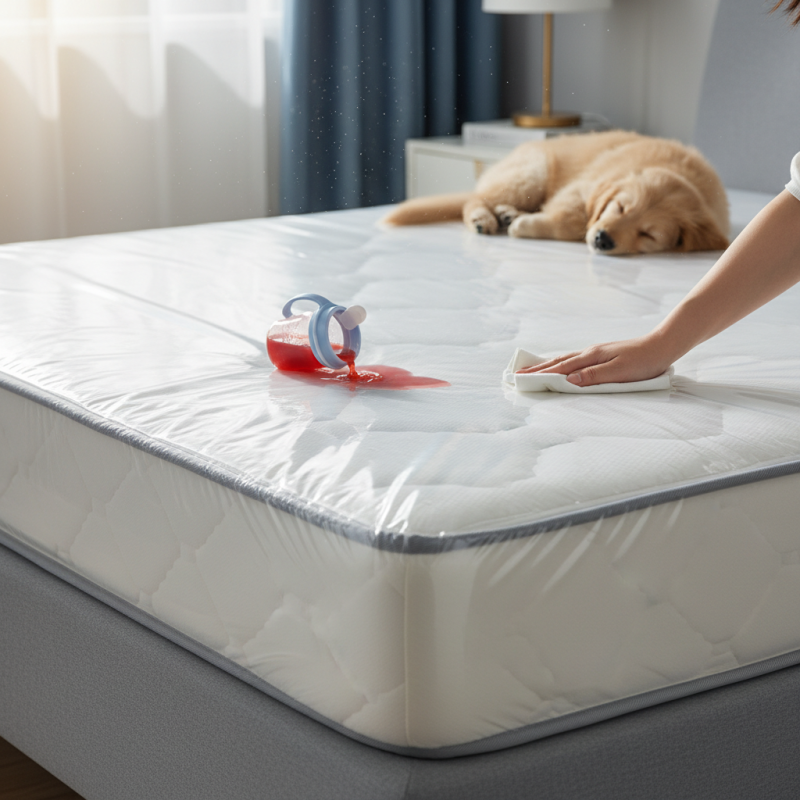
The waterproof nature of a Plastic Mattress Cover serves as a barrier against liquids. Imagine a child spilling juice or a pet having an accident. With a plastic cover, you can easily clean up and prevent stains from setting in. This ease of maintenance offers peace of mind. Yet, some may feel that this type of cover compromises comfort. The truth is, many modern plastic covers are designed to be soft and breathable.
Choosing a Plastic Mattress Cover can be a smart decision. However, it is crucial to select one that balances protection with comfort. Many consumers often rush into buying cheap options. This could lead to discomfort or inadequate protection. Reflecting on the right choices can enhance your sleeping environment significantly.
Benefits of Using Plastic Mattress Covers for Protection
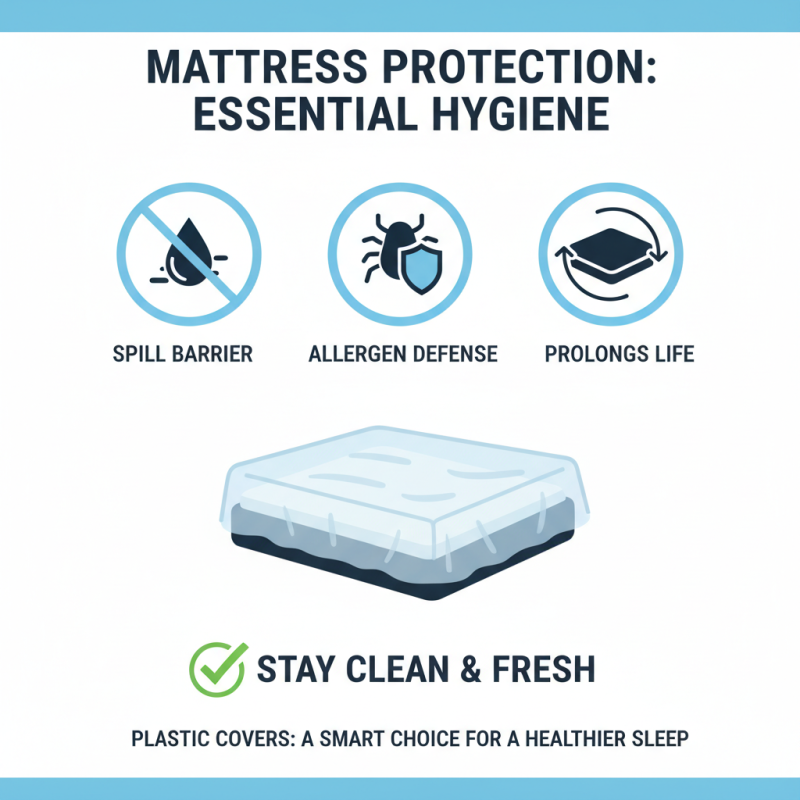
When it comes to protecting your mattress, plastic covers are a smart choice. They provide a barrier against spills, dirt, and allergens. Many people underestimate the importance of hygiene. A simple cover can easily prolong the lifespan of your mattress, ensuring it stays clean and fresh.
Using a plastic mattress cover has several benefits. It acts as a waterproof shield. Accidental spills or wetting won't ruin your mattress. In addition, it can guard against dust mites and bedbugs. This can make a significant difference for people with allergies. A clean mattress makes for better sleep.
**Tip:** Choose a cover that fits snugly. A loose cover may slip, allowing dirt to enter. Regularly check for any wear and tear. If there are rips, replace the cover immediately. Remember, maintaining hygiene isn't just about looks; it affects your overall health. A little effort can yield great results.
Key Hygiene Advantages of Plastic Mattress Covers
Plastic mattress covers offer significant hygiene advantages that many consumers overlook. They act as a barrier against allergens, dust mites, and bacteria. In fact, a study published in the Journal of Allergy and Clinical Immunology found that 82% of households with allergic individuals had detectable levels of dust mites in their bedding. Plastic covers can reduce these problematic allergens significantly.
Moreover, plastic mattress covers are waterproof. This feature is crucial for preventing spills and accidents from seeping into the mattress. A survey conducted by the Sleep Foundation revealed that nearly 25% of people have experienced a liquid spill on their mattress. Without protection, these spills can lead to mold and mildew, which pose health risks. Regular cleaning of plastic covers is simple and efficient, making them a practical choice for maintaining bedding hygiene.
However, it's essential to acknowledge that not everyone prefers plastic covers. Some users complain about comfort issues. The material can make bedding feel less breathable. As a result, individuals who sweat at night might find it uncomfortable. Balancing hygiene and comfort remains a key consideration for many shoppers.
Durability and Longevity of Plastic Mattress Covers
Plastic mattress covers are gaining popularity for their durability and longevity. Reports show that plastic coverings can withstand regular wear and tear better than fabric alternatives. According to the American Sleep Association, a good quality mattress cover can last an average of 5 to 10 years. This longevity makes them a worthwhile investment for maintaining mattress integrity.
These covers also provide robust protection against spills, allergens, and dust mites. A study by the National Pest Management Association found that nearly 20 million Americans suffer from dust mite allergies. Plastic covers can be wiped clean, making them an ideal solution for those concerned about hygiene. However, some users report discomfort due to plastic's heat retention. This can lead to overheating while sleeping, which some might find challenging.
Moreover, while plastic covers are generally resistant, they can become brittle over time. Extreme temperatures and prolonged exposure to sunlight might compromise their structure. This is a critical aspect to consider. Choosing a cover that balances durability and comfort is essential. The trade-off between protection and comfort is something many need to reflect on when deciding on a mattress cover.
Why Choose a Plastic Mattress Cover for Better Protection and Hygiene?
| Feature |
Description |
Benefits |
| Waterproof |
Prevents liquids from penetrating the mattress |
Keeps mattress dry and prolongs its life |
| Hypoallergenic |
Resists dust mites, mold, and allergens |
Provides a healthier sleeping environment |
| Durability |
Made with high-quality materials for long-term use |
Offers cost-effective mattress protection |
| Easy to Clean |
Simply wipe down or machine washable |
Saves time and enhances hygiene |
| Affordability |
Cost-effective compared to replacing a mattress |
Budget-friendly option for mattress care |
Comparing Plastic and Fabric Mattress Covers: A Practical Guide
When it comes to protecting your mattress, the choice between plastic and fabric covers is crucial. A plastic mattress cover offers waterproof protection. It wards off spills, bed bugs, and allergens. However, it can feel less breathable than fabric options. Some might find it uncomfortable in hot weather.
Fabric covers, while softer, may not repel liquids effectively. They can absorb spills, leading to stains and odors. Choosing the right one depends on your lifestyle and needs. A family with children might prefer the durability of plastic. Those seeking comfort might lean towards fabric.
**Tips:** Consider your environment. If you have pets or kids, opt for a plastic cover. It’s easy to clean and maintain. If you want a cozy feel, look for a fabric option with waterproof qualities. Test the surfaces to find the right balance of comfort and protection. Do your research, as some fabric covers offer great durability while remaining breathable.
Maintenance Tips for Keeping Plastic Mattress Covers Clean and Effective
Keeping plastic mattress covers clean is essential for hygiene.
Regular maintenance helps extend their lifespan and effectiveness. Start by wiping the surface with a damp cloth weekly.
This simple action removes dust and allergens. Make sure to use mild soap if necessary.
Harsh chemicals can damage the cover.
It's also important to check for tears or holes. Small damages can lead to larger problems.
If you find any, consider repairing them immediately. Sometimes a patch can save the cover.
Additionally, avoid placing heavy items on the mattress. This can cause unnecessary wear and tear.
When washing, use a gentle cycle in cold water. High temperatures may ruin the material.
After washing, air dry the cover if possible. This prevents shrinkage and maintains its shape.
Regular inspection and care create a little inconvenience. However, the benefits of a clean and protective layer make it worthwhile.