10 Tips for Choosing the Best Bed Bug Mattress Cover for Your Home?
When it comes to keeping your home safe from pests, a Bed Bug Mattress Cover is essential. Bed bugs can invade your sleeping space, causing discomfort and anxiety. Choosing the right cover protects you and your family from these unwelcome guests.
Many products claim to be effective, but not all are created equal. It can be overwhelming to sift through various options. You need a cover that fits your mattress perfectly and is made from durable materials. Look for features like waterproofing and allergen resistance.
Remember, even the best Bed Bug Mattress Cover requires proper use and maintenance. Regularly check for signs of wear and tear. This will ensure continued protection. Relying solely on the cover may not be enough, though; a comprehensive pest management plan should also be in place. It's easy to overlook these details, but they are crucial for your peace of mind.
Types of Mattress Covers Suitable for Bed Bug Prevention
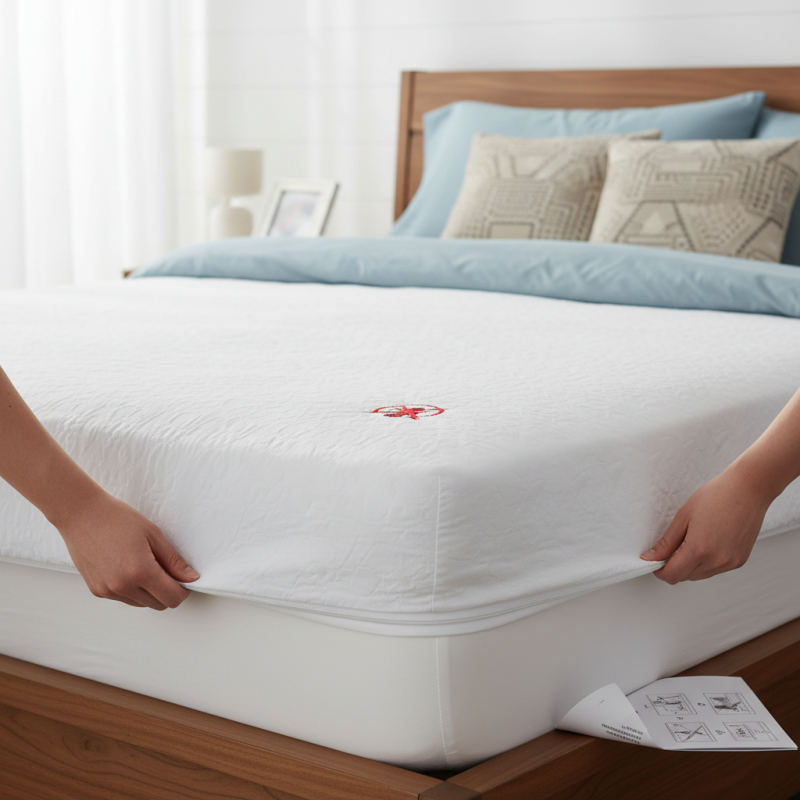
When selecting a mattress cover to prevent bed bugs, different types offer various levels of protection. Encased covers are a popular choice. They zip around the entire mattress, trapping any bugs inside. This style also offers a barrier against new infestations. Remember, not all encased covers are created equal. Some may be more durable than others.
Another option is the fitted style. These covers fit snugly over the mattress but may not provide as much protection against bugs that have already invaded. They are often easier to put on and take off for cleaning. However, bed bugs can still hide in seams. It's crucial to inspect these covers regularly for any signs of infestations.
Lastly, there are waterproof options. They protect against spills and stains while also shielding against bed bugs. They can be a great choice for children or those with allergies. Just ensure the waterproof material allows for breathability. Opting for the right type depends on your specific needs, lifestyle, and personal preferences. Reflect on what you prioritize most in a cover. Is it ease of use, breathability, or maximum protection?
Material Considerations for Effective Bed Bug Mattress Covers
When selecting a bed bug mattress cover, material matters a lot. High-quality materials offer better protection. Look for covers made of tightly woven fabrics. These fabrics can block bed bugs from entering or escaping. Many options feature zippers for extra security. But not all zippers are created equal. Some might wear out quickly, leaving gaps. It’s essential to check the zipper’s quality.
Consider also the breathability of the material. A breathable cover helps maintain a comfortable sleeping temperature. However, some breathable materials may not stop bed bugs effectively. This compromise can make choosing a cover tricky. Certain materials, such as vinyl, can repel pests but may make the bed feel hot. Balancing comfort and protection is crucial.
Do not forget about the ease of cleaning. A machine-washable cover can simplify your life. Yet, some covers might lose their effectiveness after frequent washing. Always check the care instructions. The right cover should withstand regular cleaning without damage. Look for certifications or features that ensure durability and efficiency. This can provide peace of mind in your battle against bed bugs.
10 Tips for Choosing the Best Bed Bug Mattress Cover for Your Home
| Tip |
Material |
Features |
Price Range |
| Choose High Density Fabrics |
Thermoplastic Polyurethane (TPU) |
Waterproof, Breathable |
$30 - $50 |
| Look for Zippered Covers |
Polyester Blend |
Complete Encasing, Easy to Wash |
$25 - $45 |
| Evaluate the Thread Count |
Cotton |
Soft, Comfortable, Durable |
$35 - $60 |
| Check for Hypoallergenic Materials |
Bamboo Fiber |
Naturally Antimicrobial, Soft |
$40 - $70 |
| Consider Pest Control Features |
Vinyl |
Effective Against Bed Bugs, Easy to Clean |
$20 - $40 |
Features to Look for in a Bed Bug Mattress Cover
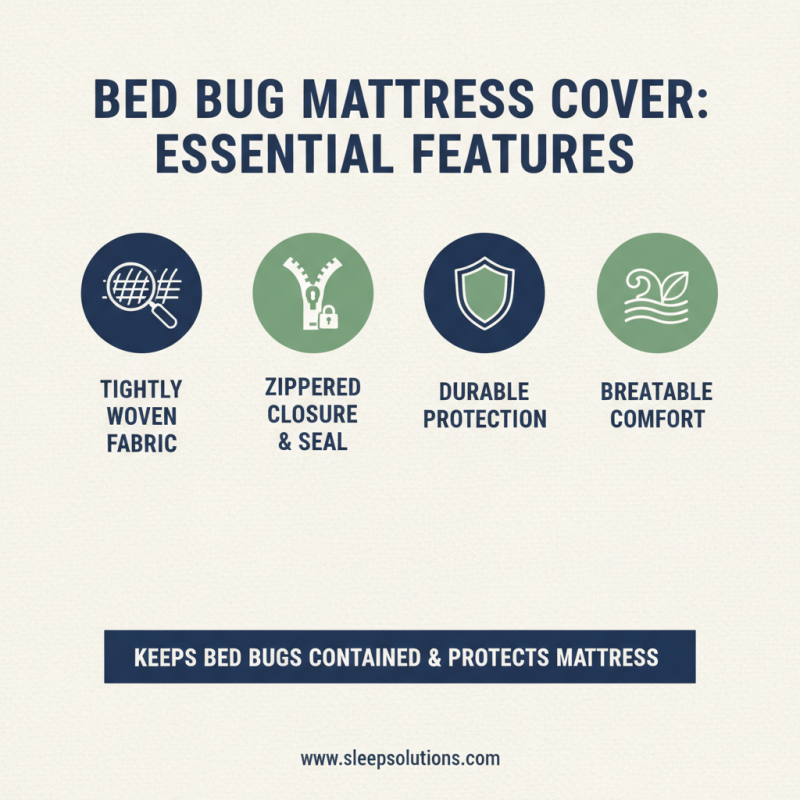
When choosing a bed bug mattress cover, certain features are essential. Look for a tightly woven fabric. A zippered closure is crucial. It should create a seal to keep bed bugs contained. The fabric must be durable yet breathable. This balance is vital for comfort and protection.
Water resistance is another consideration. It helps in keeping your mattress safe from stains and spills. Also, consider allergen barriers. Some covers offer protection against dust mites and other allergens. This feature is a bonus, improving overall sleep quality.
Be mindful of the size fit. A cover that is too tight may rip easily. On the other hand, a loose cover can slip off. Think about the ease of washing, too. Covers that can withstand multiple washes are more practical. The aim is to shield your mattress without adding extra hassle.
Sizing and Fit: Ensuring Proper Protection Against Bed Bugs
When selecting a bed bug mattress cover, sizing and fit are crucial. A snug fit minimizes the chance for pests to penetrate. Measure your mattress before purchasing. The cover should adequately encase the entire mattress, including the seams. An ill-fitting cover can leave gaps, allowing bed bugs to sneak in.
Consider the depth of your mattress. Many covers fit standard sizes, but depth varies. An adjustable cover may be ideal if your mattress is thicker. Look for options with zippers that glide smoothly. A faulty zipper can compromise protection. Ensure it fully encloses the mattress without gaps.
Many covers are designed to trap bed bugs inside. They can remain viable for months. You want to avoid just any cover; it needs to fit perfectly. Check product descriptions for sizing details. Always double-check before purchasing. A complete cover offers peace of mind. Comfort and safety can coexist with the right fit.
Bed Bug Mattress Cover Size Selection
Maintenance and Care Tips for Bed Bug Mattress Covers
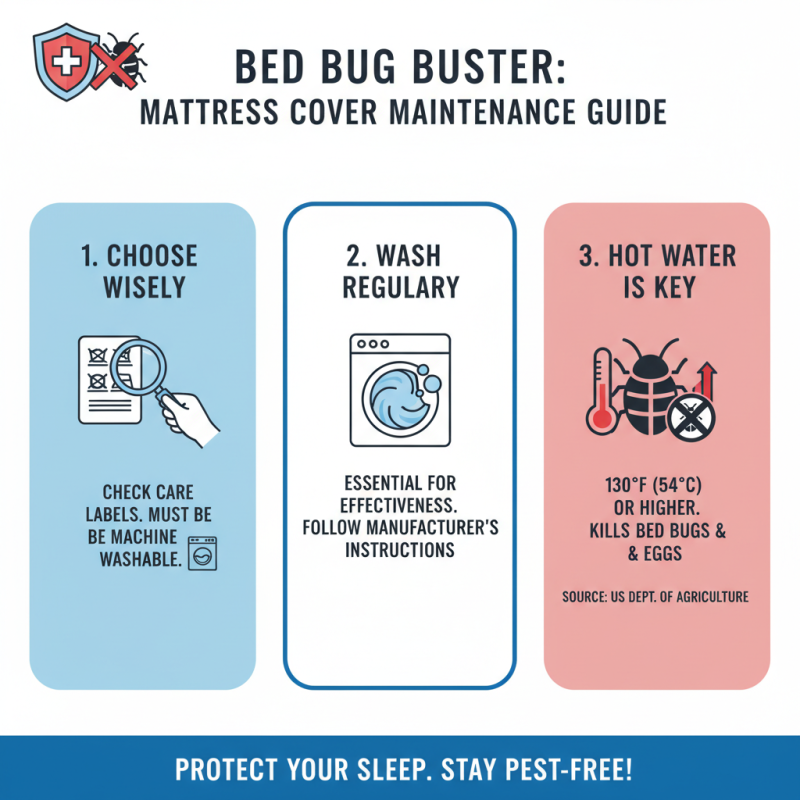
When choosing a mattress cover to combat bed bugs, maintenance is crucial. Regularly washing the cover is essential for effectiveness. Most experts recommend hot water, ideally at 130°F (54°C) or higher. This temperature kills bed bugs and their eggs, according to the U.S. Department of Agriculture. However, not every cover is machine washable. Always check care labels prior to purchase to ensure you select one that suits your needs.
It’s also important to inspect and clean your mattress regularly. Mattress covers may not fit perfectly, leading to gaps where bugs can hide. This can be counterproductive. A study by the National Pest Management Association found that over 90% of pest control professionals encounter bed bugs in both residential and commercial properties. Therefore, regular vacuuming around the bed can help minimize infestations. Remember to focus on joints and seams, as these are often overlooked areas.
Finally, replace your cover every couple of years or after significant infestations. A worn or damaged cover can lose its protective capabilities. Consider this: if your cover has visible wear or tears, it could become a breeding ground for bugs rather than a barrier. Regular checks and replacements are vital for long-term efficacy. Taking these steps ensures a more bed bug-free environment in your home.