10 Essential Tips for Choosing Muleton Fabric for Your Projects?
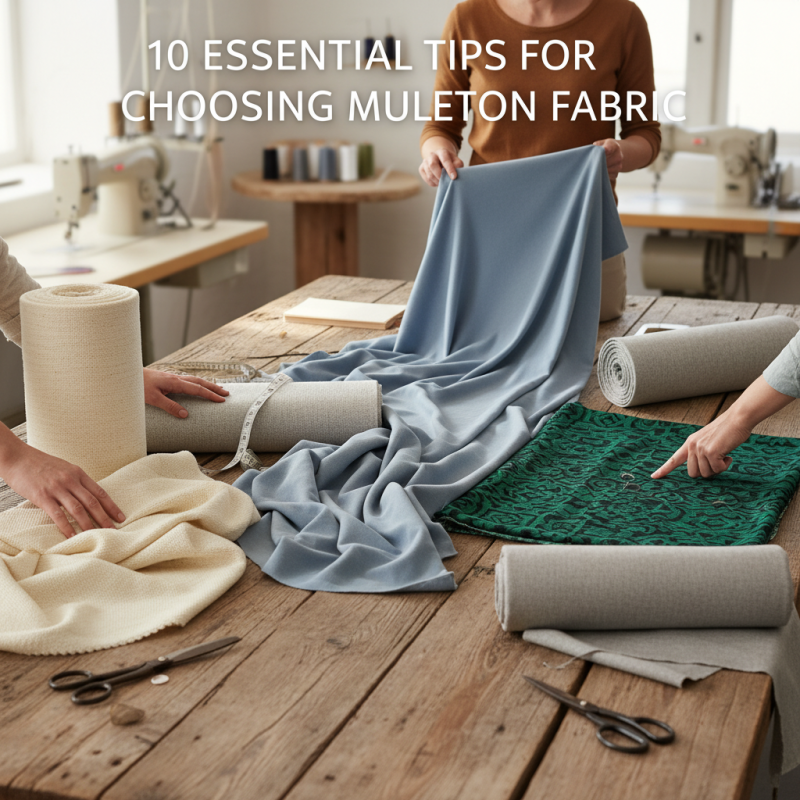
Choosing the right fabric is crucial for any project. Muleton Fabric stands out for its versatility and durability. Whether you are making garments, home decor, or crafting accessories, this fabric can be a game-changer.
Muleton Fabric offers a unique texture that adds depth to your creations. It’s essential to consider its weight and drape. Some people overlook these factors. A heavier weight can provide structure. On the other hand, lighter variants allow for flow. Knowing what you need is key.
When selecting Muleton Fabric, think about your project's purpose. The colors and patterns also matter. Often, people are drawn to bold designs but forget functionality. Consider how the fabric will behave over time. Will it fade or lose shape? Reflect on these details as you make your choice.
Understanding Muleton Fabric: Characteristics and Benefits
Muleton fabric is a popular choice for many projects. It is known for its softness and strength. This blend of fibers creates a versatile material suitable for various applications. The fabric's textured surface provides visual appeal, making it ideal for fashion, home decor, and upholstery.
Understanding Muleton’s characteristics is essential. The fabric often has a medium weight, which allows for good draping. It can also be breathable, adding comfort in wear. Many find that it resists wrinkling, which can save time during tasks. However, one might experience color fading over time. Testing color fastness is a crucial step to consider when selecting this fabric.
Another advantage of Muleton is its easy maintenance. Most types can withstand machine washing, but some may require delicate cycles. It's worth noting that not all Muleton fabrics feel the same. Some may feel rougher while others are smoother. Be sure to examine each type closely. Finding the right Muleton fabric can be a rewarding but sometimes challenging experience.
Identifying Your Project Needs: When to Choose Muleton Fabric
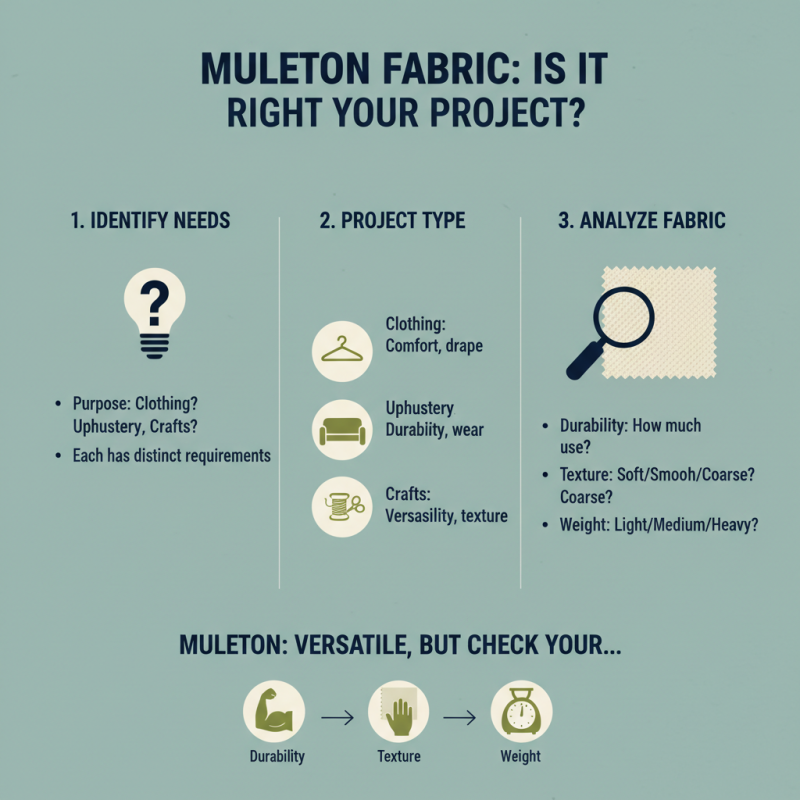
When determining if Muleton fabric is right for your project, start by identifying your specific needs. Understand the purpose of your project. Is it for clothing, upholstery, or crafts? Each application has distinct requirements. Muleton is versatile but may not suit every project. It’s essential to analyze durability, texture, and weight.
Consider your aesthetic goals. Muleton fabrics come in various colors and patterns. Think about how the fabric will complement your design. Will it be a statement piece or a subtle background? Sometimes, the perfect choice can be elusive. It might take several trials before you find what truly resonates with your vision.
Pay attention to maintenance needs. Some fabrics require special care, while others are more forgiving. Muleton fabric often falls into the latter category, but don't overlook any warnings. A nice texture can be appealing, but if it’s hard to clean, it might lead to regrets. Remember, the goal is to create a lasting work that meets both functional and aesthetic demands.
Comparing Muleton with Other Fabrics: Strengths and Weaknesses
When comparing Muleton fabric to other materials, several factors come into play. Muleton is known for its durability and resilience, making it a favored choice for various projects. Its sturdy nature allows it to withstand wear and tear in upholstery and outdoor applications. However, it may lack the softness found in other fabrics like cotton or silk. This aspect can affect comfort, especially in clothing items.
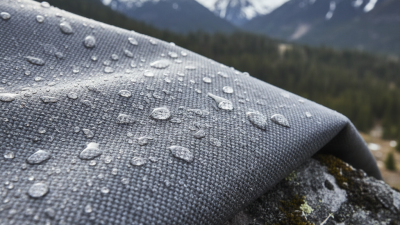
In contrast to synthetic fabrics, Muleton provides better breathability. This can be a significant advantage for items used in warmer climates. Yet, it might not repel water as effectively as some synthetics. For those working on projects requiring water resistance, this is a crucial consideration. It’s essential to weigh these advantages and disadvantages when deciding which fabric best meets project needs. Keep in mind the intended use, as one fabric's strength can highlight another's weaknesses.
Tips for Maintaining and Caring for Muleton Fabric
Caring for Muleton fabric is essential for ensuring its longevity and beauty. This fabric is versatile but needs attention. A few simple tips can help you maintain it well.
Regular cleaning is crucial. Wash Muleton using a gentle cycle. Avoid harsh detergents that could damage the fibers. Sometimes, a mild soap works better. Always air dry to prevent shrinkage. High heat can ruin the fabric.
Storage is equally important. Keeping it in a cool, dry place helps avoid mold. Consider using breathable bags rather than plastic. Check your fabric periodically for any signs of wear. Small repairs are easier than major fixes.
Lastly, be mindful of how you use Muleton. If the fabric is for a project that sees heavy use, know that it may wear out faster. Frequent use can lead to fading over time. A little extra care goes a long way in preserving its charm.
10 Essential Tips for Choosing Muleton Fabric for Your Projects - Tips for Maintaining and Caring for Muleton Fabric
| Tip Number |
Tip |
Details |
| 1 |
Consider Fabric Weight |
Choose a weight that suits the intended use of the fabric, whether it's for light garments or heavy upholstery. |
| 2 |
Check for Colorfastness |
Ensure that the colors won’t bleed or fade after washing by performing a simple test. |
| 3 |
Evaluate Durability |
Opt for fabrics that withstand wear and tear, especially for high-use items. |
| 4 |
Test for Ease of Care |
Choose fabric that is easy to wash and maintain based on your lifestyle needs. |
| 5 |
Assess Stretch and Recovery |
Ensure the fabric has the right amount of stretch for your project, especially for fitted garments. |
| 6 |
Consider Texture and Feel |
Select a texture that suits the end use, from soft and cozy to crisp and structured. |
| 7 |
Look at Pattern and Design |
Pick patterns that align with personal style and project goals. |
| 8 |
Research Fabric Sources |
Buy from reputable suppliers to ensure quality and ethical sourcing. |
| 9 |
Plan for Future Projects |
Consider purchasing additional fabric for future repairs or match projects. |
| 10 |
Keep Fabric Condition in Mind |
Store fabric properly to prevent damage and fading over time. |
Selecting the Right Color and Pattern for Your Design Aesthetic
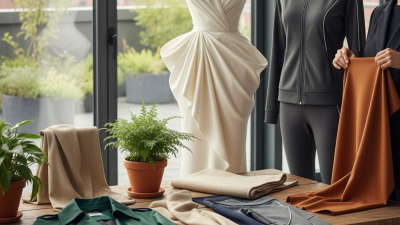
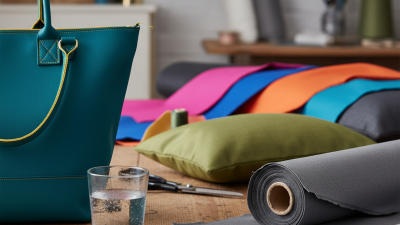
When selecting Muleton fabric, color and pattern play a crucial role. A hue can set the mood of your project. Consider the overall theme—do you want it bright and lively or muted and calm? Think about how the colors interact with one another. Some combinations create harmony, while others clash. Experimentation is key; sometimes, the unexpected works best.
Patterns can enhance your design but can also overwhelm it. Floral prints add a classic touch, while geometric shapes offer a modern vibe. Scale matters, too. Small patterns may get lost in larger spaces, while big designs can dominate a small item. It's essential to visualize how different patterns will look together.
While choosing, don’t forget to reflect on your personal taste. What resonates with you? A choice that feels right will shine through in your work. Avoid narrowing your options too soon—open yourself to possibilities. Embrace imperfections in your selections; they can bring unique character to your project. What feels daunting now may lead to unexpected creative directions down the road.
Distribution of Popular Muleton Fabric Patterns