Top 5 Tips for Choosing a Waterproof Mattress Protector?

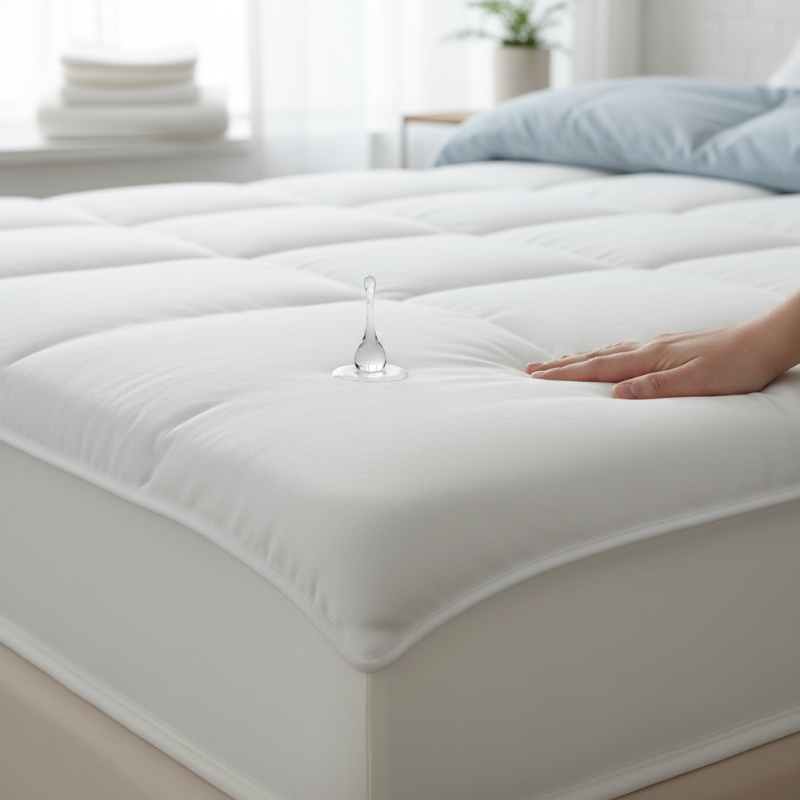
Choosing the right mattress protector waterproof can be a challenging task. With numerous options available, it’s essential to make an informed decision. A quality mattress protector not only safeguards your mattress from spills and stains but also enhances your sleep experience.

Understanding what features matter is crucial. Look for breathability, durability, and ease of cleaning. A waterproof mattress protector should be effective yet comfortable. Some products may feel too plasticky or noisy. It’s a fine line between protection and comfort, which requires careful consideration.

Testing various options can reveal unexpected results. Sometimes, a highly rated protector may not meet your unique needs. Personal preferences vary widely, from fabric feel to waterproof technology. Reflecting on your specific circumstances will lead to a more satisfactory choice. Investing time in this decision can ensure you protect your mattress effectively while enjoying restful nights.
Top 5 Tips for Choosing a Waterproof Mattress Protector?

Understanding the Importance of Waterproof Mattress Protectors
Top 5 Tips for Choosing a Waterproof Mattress Protector?

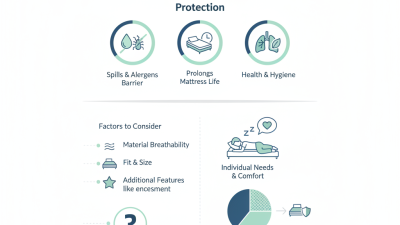
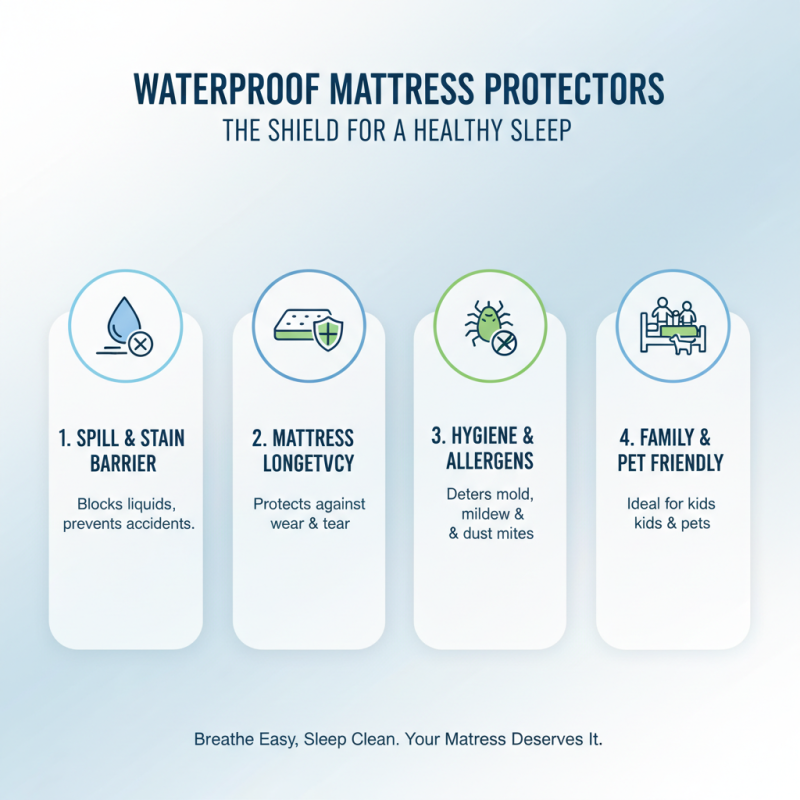
Waterproof mattress protectors play a vital role in maintaining the hygiene and longevity of your mattress. They act as a barrier against spills, stains, and allergens. A good protector can prevent liquids from penetrating the mattress, which is particularly important for families with children or pets. Over time, moisture can lead to mold and mildew, which affect the air quality in your bedroom.

When choosing a waterproof mattress protector, it's essential to consider material breathability. Many protectors are made with specialized fabrics that allow air circulation while still providing a waterproof barrier. This helps keep the sleeping environment comfortable. Not all protectors are created equal. Some may feel hot or uncomfortable. It's important to look for options that balance protection and comfort.

Reflecting on personal experiences can also help in this process. Consider how easy or difficult it is to clean the protector. Some materials are machine washable, while others require special care. Understanding these details will ensure you choose a protector that fits your lifestyle, even if it means making sacrifices in other areas. Always read reviews and seek expert opinions to make a well-informed choice.
Key Features to Look for in a Waterproof Mattress Protector

When selecting a waterproof mattress protector, focus on key features that enhance durability and comfort. A high-quality protector usually features a breathable layer that prevents moisture buildup. According to industry reports, nearly 30% of consumers experience issues with mattress longevity due to moisture-related damage. This highlights the importance of a reliable protector.

Look for materials like polyurethane or vinyl, which offer maximum waterproofing without compromising breathability. A reputable study indicates that protectors with these materials can last up to 10 years with proper care. Ensure the protector fits snugly on the mattress to avoid shifting. This might seem obvious, but a poorly fitted protector can lead to leaks and discomfort.

Consider ease of cleaning as well. A protector that is machine washable makes maintenance manageable. Many experts suggest washing it at least once a month. Regular cleaning ensures hygiene and extends the life of your mattress. Investing in a quality waterproof protector is a proactive way to preserve your sleeping environment.

Top 5 Tips for Choosing a Waterproof Mattress Protector

Materials and Construction: What Makes a Good Mattress Protector?

When selecting a waterproof mattress protector, materials and construction are key factors to consider. The right combination can enhance comfort and durability. According to a recent study by the Sleep Foundation, a high-quality mattress protector can reduce exposure to allergens by 90%. This statistic emphasizes the importance of using materials that not only repel water but also remain breathable.

One ideal material is polyurethane, known for its waterproof properties. It prevents spills and accidents from penetrating the mattress. However, it’s crucial to choose a protector that incorporates a soft cotton top layer. This ensures comfort while keeping the mattress safe. The construction method is also vital. A protector with sealed seams prevents liquids from seeping through, a detail often overlooked by consumers.

While shopping, be wary of overly cheap options. They might lack essential features and lead to dissatisfaction over time. An analysis from the National Sleep Foundation indicated that low-quality protectors can trap moisture, leading to mold growth. This can be detrimental to health and comfort. Select wisely to ensure a balance between protection and comfort.

Size and Fit: Ensuring Your Protector Matches Your Mattress

Top 5 Tips for Choosing a Waterproof Mattress Protector?

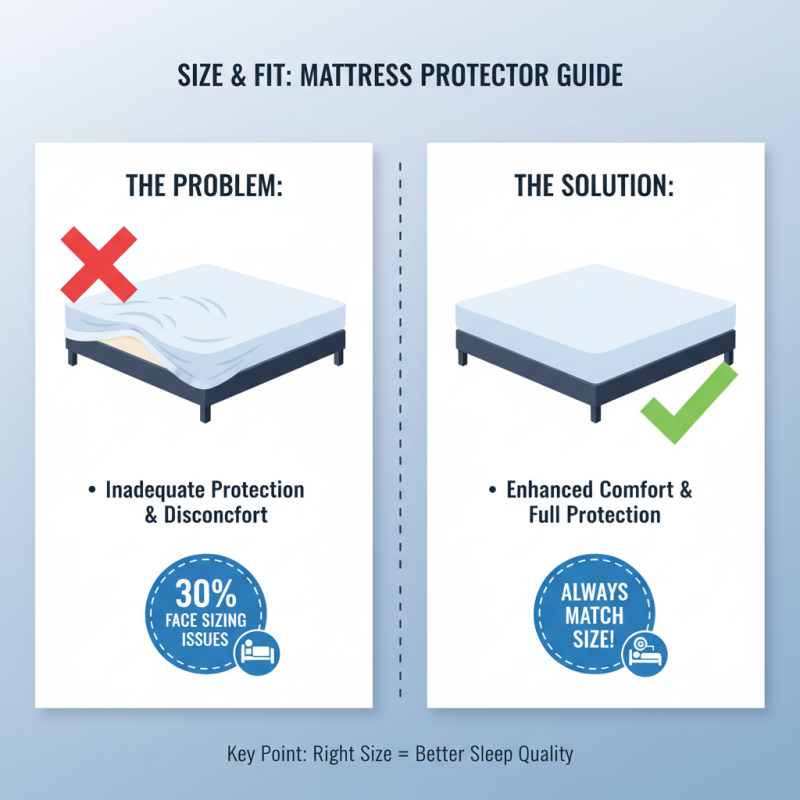
When selecting a waterproof mattress protector, size and fit are crucial. A protector that does not match the mattress size can lead to inadequate protection and discomfort. According to industry data, nearly 30% of consumers face issues with sizing, resulting in poor sleep quality.

Measure your mattress carefully before purchasing. A protector should match both length and width. Additionally, consider the thickness. Some protectors have deep pocket options, accommodating thicker mattresses. A study revealed that improper fitting can lead to a protector slipping off, thus exposing the mattress to spills or stains.

It’s essential to account for the mattress’s depth. If your mattress has added features like pillow tops, you may need a specific type of protector. Many people overlook this detail, leading to dissatisfaction. Industry expert reports indicate that a well-fitted protector can extend the life of your mattress significantly. However, many users report frustration when protectors do not conform well, prompting reflection on the importance of careful selection.

Care and Maintenance Tips for Longevity of Mattress Protectors

When it comes to caring for mattress protectors, understanding the material is crucial. Most protectors are made from a variety of fabrics, often treated with waterproof coatings. To ensure their longevity, regular maintenance is essential. The National Sleep Foundation states that clean bedding can significantly improve sleep quality. Washing your mattress protector every few weeks is a good habit. Use cold water and a gentle detergent to prevent damage.

Drying is equally important. Air drying works best, but if you use a dryer, opt for low heat. High temperatures can ruin waterproof layers. According to the Mattress Industry Association, prolonged exposure to heat can lead to a reduction in the protector’s effectiveness. It’s also beneficial to rotate your protector every few months. This simple step can prevent uneven wear.

Stains and spills are inevitable, but immediate action helps. Blot spills with a clean cloth; don’t rub. Using mild soap can often help remove tough stains without harming the fabric. Research suggests that up to 25% of mattresses harbor allergens. A waterproof protector can fight smells and stains, but only if maintained correctly. Ignoring care may lead to a shorter lifespan, risking exposure to allergens and bacteria.

Top 5 Tips for Choosing a Waterproof Mattress Protector

Tip Description Material Type Care Instructions
1. Check for Breathability Ensure the protector allows air circulation to avoid heat buildup. Polyester, Cotton Blend Machine wash in cold water.
2. Look for a Full Coverage Design Choose a protector that covers the entire mattress for maximum protection. Vinyl, TPU Wipe clean with a damp cloth.
3. Waterproof vs. Water-Resistant Understand the difference; waterproof protects against spills while water-resistant repels moisture. Polyurethane Coating Follow manufacturer's washing recommendations.
4. Choose a Quiet Option Select a protector that doesn’t crinkle or make noise during movement. Soft Cotton, Jersey Knit Wash separately and tumble dry on low.
5. Consider Allergy Protection Opt for protectors that guard against dust mites and allergens. Hypoallergenic Fabrics Regularly wash in hot water to eliminate allergens.