China Top 10 TPU Fabric Manufacturers for Global Buyers introduces a practical sourcing landscape shaped by performance, consistency, and supply-chain discipline. Grand View Research valued the global thermoplastic polyurethane market at approximately USD 3.1 billion in 2023. Its forecast also indicates steady growth through 2030. Smithers’ coated-fabrics research highlights similar demand for lighter, flexible, and more durable coating systems.
Tpu Fabric is not judged by appearance alone. A roll may look smooth under factory lighting, yet fail after repeated flexing, washing, or heat exposure. Experienced buyers should examine TPU grade, fabric substrate, coating thickness, bonding strength, hydrolysis resistance, and production traceability. Independent testing remains important. Factory claims are useful, but they are not final proof.
Polymer materials expert Dr. George Wypych offers a relevant warning: “Processing history often decides final polymer performance.” This principle matters when comparing Chinese manufacturers with different calendaring, lamination, and quality-control systems. The manufacturers covered in this guide are considered through practical indicators, including export experience, testing capability, customization support, certifications, and delivery reliability. However, no ranking can represent every buyer’s needs. Public data may be incomplete, and supplier performance can change with materials, equipment, or management. That imperfection deserves attention. Buyers should request recent samples, technical data sheets, factory audit records, and independent test results before placing large orders. A strong Tpu Fabric partner should explain both its strengths and its limitations clearly.
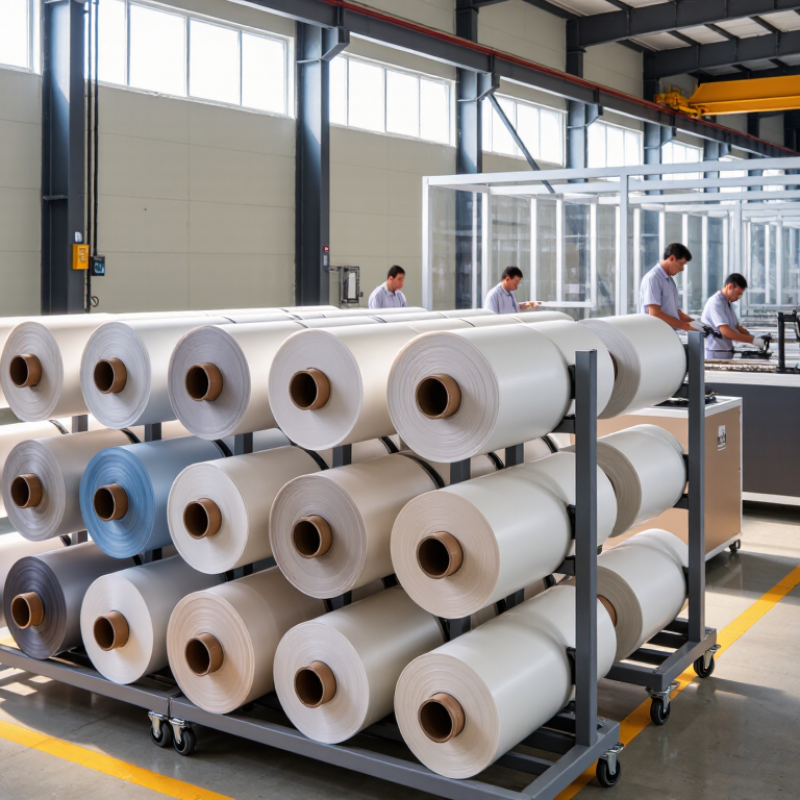
TPU fabric is usually a textile coated or laminated with thermoplastic polyurethane, not a fabric made entirely from TPU. The TPU layer can provide water resistance, elasticity, abrasion protection, and a softer hand feel. It is used in bags, protective covers, outdoor equipment, footwear, and technical workwear.
For global buyers, this structure matters because performance depends on both materials. A strong TPU film cannot correct weak fabric, poor bonding, or uneven coating.
Market data supports its growing relevance. Grand View Research estimated the global TPU market at about USD 3.6 billion in 2023, with continued growth through 2030. MarketsandMarkets also projects steady expansion, although estimates differ by scope and methodology.
That difference deserves attention. Buyers should not treat one forecast as absolute proof. Technical data sheets, coating weight, hydrostatic pressure, peel strength, and abrasion results are more useful during supplier evaluation.
In practical inspections, check the roll edge, surface uniformity, odor, and flexibility after folding. Ask for test reports from independent laboratories. A sample may perform well in a showroom but fail after heat, washing, or repeated bending.
Recycled content can improve material credentials, yet it may affect color stability or bonding. The trade-off is real.
When evaluating TPU fabric manufacturers in China, start with technical evidence, not attractive catalog photos. Request specifications for TPU grade, fabric base, coating thickness, width tolerance, and weight. Ask how the supplier controls bonding temperature and pressure. Small process changes can affect flexibility, waterproofing, and surface appearance.
A reliable manufacturer should provide recent test reports for hydrolysis resistance, abrasion, tensile strength, and seam performance. Check whether reports match the exact fabric you will purchase. Sample testing is essential. Bend the fabric repeatedly, expose it to heat and moisture, and inspect peeling or cracking.
Laboratory data helps, but real handling reveals weaknesses. I have seen promising samples fail after repeated folding.
Review production records, inspection procedures, and traceability for each batch. A factory visit or independent audit can confirm equipment, storage conditions, and worker practices. Discuss minimum order quantities, lead times, replacement policies, and packaging before placing an order. Clear answers matter. Vague promises deserve caution.
Ask about export experience and communication during quality disputes. Professional teams explain limitations instead of claiming perfection. That honesty is valuable. Still, buyers should verify every important claim through samples and written documents. One overlooked detail, such as uneven coating near the roll edge, can create expensive production waste. Supplier evaluation is not only about price; it is about repeatable performance, transparent controls, and practical support.
China’s top 10 TPU fabric manufacturers stand out through different product strengths, not one universal ranking. Some focus on waterproof breathable laminates for outdoor jackets. Others specialize in abrasion-resistant fabrics for bags, footwear, and protective covers. Medical-grade and transparent TPU fabrics serve another demanding segment. According to Grand View Research, the global thermoplastic polyurethane market was valued at over USD 3 billion in 2023. Its report also identifies growing demand from automotive, healthcare, and footwear applications. This growth increases the need for stable film thickness, clean lamination, and consistent tensile performance.
The strongest suppliers usually provide customized hardness, color, surface texture, and width. Their factories may also support hot-melt bonding, digital printing, and recycled-content options. MarketsandMarkets has reported continued growth in TPU demand, driven by lightweight and flexible materials. Buyers should inspect production samples, not only catalogs. Check hydrostatic pressure, peel strength, low-temperature flexibility, and washing durability. A supplier with excellent fabric may still lack reliable delivery control. That is an overlooked weakness. Product strength must match the final use, climate, and processing method.
Tips: Request test reports from independent laboratories. Compare three production batches, not one sample. Confirm whether recycled content affects softness or bonding. Also review factory audits, complaint records, and corrective-action procedures. Data from Fortune Business Insights suggests the broader TPU market will keep expanding, but market forecasts vary. Treat forecasts as direction, not proof. A practical shortlist should balance material performance, technical support, traceability, and realistic production capacity.
China Top 10 TPU Fabric Manufacturers for Global Buyers
When comparing TPU fabric manufacturers, inspect more than surface appearance. Experienced buyers check thickness, coating uniformity, abrasion resistance, hydrolysis performance, and colorfastness. A clear technical data sheet should state fabric weight, TPU hardness, width tolerance, and bonding strength. Ask for recent test reports, not only factory claims. ISO 9001 certification can support process control, while REACH or RoHS documentation may fit specific market requirements.
Customization also requires practical discussion. Confirm the substrate, finish, matte or gloss effect, waterproof target, and minimum order quantity. Request a production sample with the approved color standard. Then test it after folding, washing, heat exposure, and repeated flexing. Small differences matter. A two-millimeter width variation can affect cutting efficiency. Traceable batch records and retained samples make quality problems easier to investigate. No supplier is perfect; even a strong factory may overlook one detail during a busy production period.
Tips: Visit the factory when possible, and compare samples from the same specification. Check whether testing equipment is calibrated and whether operators record results consistently. Ask how rejected rolls are isolated. Also review packaging, moisture protection, lead times, and corrective-action procedures. A low price may look attractive, but unstable coating quality can create higher costs later. Document every approved parameter before mass production begins.
When comparing China’s top TPU fabric manufacturers, international buyers should examine more than price and catalog photos. A reliable supplier explains TPU grade, fabric composition, coating weight, width tolerance, and production limits. Request a physical sample, not only a digital specification sheet. Check its surface after folding, stretching, and wiping with a damp cloth. Small details matter.
Ask for test data covering peel strength, abrasion resistance, hydrostatic pressure, colorfastness, and seam performance. Match these results with your product’s real use. Outdoor covers need weather resistance. Medical or protective applications may require tighter traceability and controlled materials. Confirm whether tests come from an independent laboratory or an internal department. Internal data can help, but it should not be the only evidence.
Visit the factory when possible, or arrange a live video audit. Observe coating lines, curing ovens, inspection tables, and roll-labeling procedures. Review batch records, complaint handling, replacement terms, and average lead times. A supplier that answers difficult questions clearly is often safer than one offering the lowest quotation. Still, no factory is perfect. A promising sample may fail during mass production. Approve a pilot order, define acceptance limits, and inspect several rolls before scaling up. Keep communication written and precise. Misunderstandings happen easily.