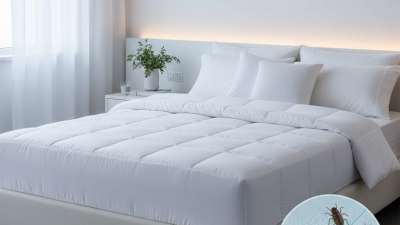
Top 10 Bed Bug Mattress Cover Options for Ultimate Protection?
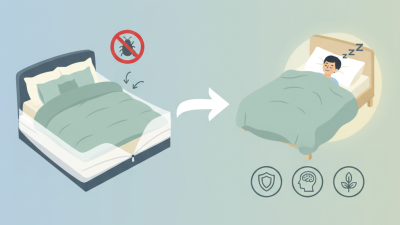
As bed bugs become more prevalent in households, many seek effective solutions for prevention. A Bed Bug Mattress Cover is an essential item in the fight against these pests. It not only shields your mattress but also provides a barrier to the bugs. By investing in a quality cover, you can significantly reduce the chances of an infestation.
When selecting a Bed Bug Mattress Cover, it’s crucial to consider material and fit. A good cover should be tightly woven and waterproof. This ensures that no bugs can penetrate and that spills won’t damage your mattress. Additionally, proper installation is key. An ill-fitting cover could leave gaps, allowing bed bugs a way in.
An ideal mattress cover offers comfort along with protection. Some covers even enhance breathability, keeping you cool at night. However, not all products are created equal. It’s wise to research brands and read reviews. After all, a poor choice can lead to frustrating consequences. Making an informed decision can provide peace of mind and a restful sleep.
Top Features to Look for in Bed Bug Mattress Covers
When choosing a bed bug mattress cover, several key features are essential for effective pest control. A high-quality mattress cover should be made from durable materials that are bite-proof and easy to clean. Reports indicate that bed bug infestations have increased by over 500% in recent years, underlining the necessity of protective measures.
Look for covers with a high thread count. Tight weaves can prevent bed bugs from penetrating. Many covers also feature zipper enclosures. An effective zipper ensures that bugs cannot escape or enter. Some materials are treated with protective coatings, adding another layer of defense against infestations. A study published in the Journal of Economic Entomology found that covers with these features can reduce bed bug harborage significantly.
Tip: Regularly check your mattress for signs of wear and tear. Aging covers may need replacement to maintain protection. Also, consider washing your cover frequently, following the manufacturer's instructions for the best results. This practice can help eliminate any potential bed bug eggs that might still cling to the surface. Being proactive is key.
Understanding the Various Types of Bed Bug Mattress Covers
When it comes to bed bug mattress covers, choosing the right type is essential for effective protection. Options vary significantly. Some covers are waterproof, shielding against spills. Others are breathable yet tightly woven to block bugs. Understanding the materials is crucial. Look for durable, high-quality fabrics. They should resist wear and tear while ensuring comfort.
Another important factor is the size and fit. A cover that’s too loose may allow pests to sneak in. On the other hand, overly tight covers can cause discomfort. Ensure a snug fit that accommodates your mattress size. Consider zippered enclosures as they provide additional protection against tiny invaders.
Also, it’s vital to know about maintenance. Some covers are machine washable, while others require spot cleaning. Regular cleaning helps maintain their effectiveness. Think about how often you want to clean the cover. A good mattress cover can also prolong the life of your mattress. However, it's important to weigh the cost against your needs. Quality covers can be an investment. Strive to find the balance that works for you.
Top 10 Bed Bug Mattress Cover Options for Ultimate Protection
Industry Recommendations: Best Materials for Bed Bug Prevention
When it comes to bed bug prevention, choosing the right materials for mattress covers is crucial. Industry experts recommend tightly woven fabrics that can effectively block bed bugs. For instance, covers made from high-quality polyester or cotton blends provide a protective barrier. According to a study published in the Journal of Economic Entomology, the right cover can reduce bed bug infestations by up to 90%. This statistic emphasizes the importance of material selection.
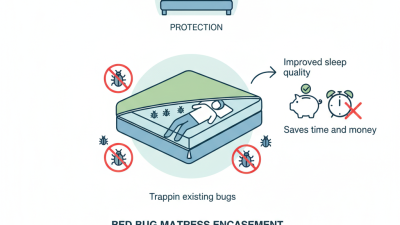
Additionally, breathable materials play a vital role. Covers made from breathable fabrics not only keep bed bugs at bay but also maintain comfort. A study by the pest control industry found that 70% of respondents reported improved sleep quality after using breathable covers. Despite these benefits, not all covers perform equally. Users have noted issues with durability in some lower-quality products. Thus, thorough research is necessary to identify reliable options.
Sleep hygiene also influences bed bug risks. Regular washing of covers at high temperatures can further enhance protection. But many users overlook this step. It’s essential to note that even the best covers can fail without proper maintenance. This reality underscores the need for ongoing vigilance and care in bed bug prevention efforts.
Top 10 Bed Bug Mattress Cover Options for Ultimate Protection
| Cover Type |
Material |
Waterproof |
Bed Bug Proof |
Breathability |
Warranty |
| Zippered Encasement |
Polyester Blend |
Yes |
Yes |
Moderate |
5 Years |
| Fitted Mattress Cover |
Cotton |
No |
Yes |
High |
3 Years |
| Waterproof Zippered Cover |
Vinyl |
Yes |
Yes |
Low |
2 Years |
| Cooling Mattress Cover |
Bamboo |
No |
Yes |
Very High |
5 Years |
| Dust Mite Proof Cover |
Microfiber |
Yes |
Yes |
Moderate |
3 Years |
| Luxury Mattress Protector |
Silk Blend |
No |
Yes |
High |
2 Years |
| Hypoallergenic Cover |
Tencel |
Yes |
Yes |
Very High |
4 Years |
| Pet Proof Cover |
Denim |
No |
Yes |
Moderate |
5 Years |
| Ultra Soft Mattress Cover |
Cotton Blend |
No |
Yes |
High |
1 Year |
| Heavy Duty Mattress Cover |
Oxford Fabric |
Yes |
Yes |
Moderate |
5 Years |
Effectiveness Ratings: Mattress Covers Against Bed Bug Infestation
When it comes to bed bug prevention, mattress covers play a crucial role. They act as a barrier, reducing the chances of infestation. Many products claim effectiveness, but not all deliver satisfactory results. The effectiveness of bed bug mattress covers largely depends on their design and materials. A tightly woven fabric can help block these pests, while zippers should be robust and seamless. Consumers often report varying levels of satisfaction based on these crucial details.
Choosing the right mattress cover requires attention to effectiveness ratings. Some covers may promise protection but fail in real-world scenarios. Users have highlighted that while some brands show strong resistance, others do not stand up to scrutiny. You might find features like waterproofing, which adds protection from liquids, as beneficial. However, these features should not compromise the cover's ability to fend off bed bugs. Always check multiple reviews before making a decision, as personal experiences can reveal more than manufacturers’ claims.
Cost Analysis: Budgeting for Quality Bed Bug Protection Solutions
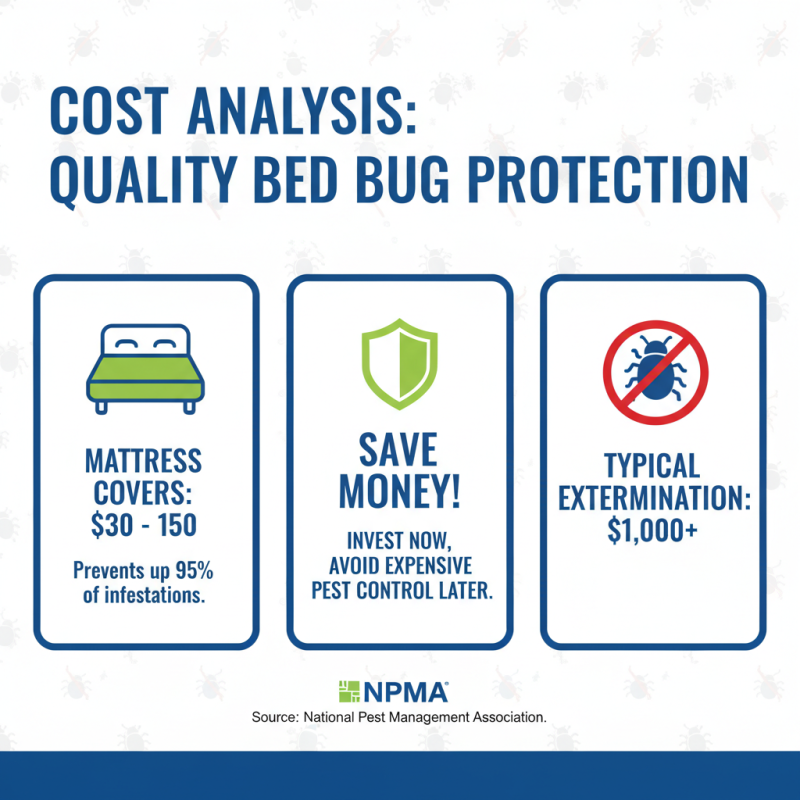
When budgeting for bed bug mattress covers, you need to consider various factors. Quality covers range from $30 to $150. Investing in a high-quality option can save you from future expensive pest control services. A study from the National Pest Management Association states that effective covers can prevent a bed bug infestation by up to 95%. This is a significant saving compared to the average $1,000 spent to exterminate an infestation.
Many consumers make the mistake of choosing cheaper options without understanding their potential risks. A low-cost cover may not be as durable. It could wear down over time, exposing your mattress to pests. Aim for materials that are both breathable and resistant to bed bugs. Look for certifications and third-party testing, which can provide assurance of quality.
Tip: Before purchasing, read reviews from reputable sources. Check the warranty, as a good cover should last at least five years. Additionally, measure your mattress carefully. An incorrectly sized cover may not serve its purpose effectively. Always keep your options open; sometimes, spending a little more can lead to significant savings down the line.