Top 10 Mattress Cover Fabrics By The Yard for Ultimate Comfort and Style
In the quest for the perfect night's sleep, the choice of mattress cover fabric plays a pivotal role. As an important aspect of bedding, the right fabric not only enhances comfort but also adds a touch of style to your bedroom. Expert in home textiles, Dr. Emily Carter, emphasizes this sentiment, stating, "Selecting the appropriate mattress cover fabric by the yard can significantly impact both the quality of sleep and the overall aesthetic of your sleeping space."
With an array of options available, it can be overwhelming to determine which fabrics will provide the ultimate comfort and visual appeal. From breathable cotton to luxurious bamboo blends, each material offers distinct benefits tailored to personal preferences and needs. This guide will explore the top ten mattress cover fabrics by the yard, highlighting their properties, advantages, and the unique qualities that can enhance your rest and rejuvenation. Embrace the journey towards transforming your sleep environment with the perfect mattress cover fabric that resonates with your style and comfort requirements.
Introduction to Mattress Cover Fabrics: Importance of Comfort and Style
When it comes to selecting a mattress cover fabric, comfort and style play pivotal roles in enhancing the overall sleeping experience. The choice of fabric directly influences not only the tactile sensation against the skin but also the aesthetic appeal of the bedroom. Soft and breathable materials, such as cotton or linen, are often preferred for their ability to wick moisture and regulate temperature, ensuring a cool and comfortable night's sleep. In contrast, fabrics like velvet or microfiber can add a touch of luxury, elevating the visual charm of the space while still providing a cozy feel.
In addition to the physical comfort that various fabrics can provide, style considerations are equally important in creating a harmonious environment. Mattress covers come in an array of colors, patterns, and textures that can complement existing décor or serve as a focal point in the room. The right fabric can transform a simple bed into a statement piece, reflecting the owner’s personality and design preferences. Thus, choosing the right mattress cover fabric becomes a crucial decision that marries functionality with aesthetic appeal, ultimately enhancing the quality of life in the bedroom.
Top 10 Mattress Cover Fabrics By The Yard for Ultimate Comfort and Style
| Fabric Type |
Material Composition |
Comfort Level |
Style |
Average Cost (per yard) |
| Cotton |
100% Cotton |
High |
Classic |
$10 |
| Polyester |
100% Polyester |
Medium |
Modern |
$8 |
| Bamboo |
Bamboo Rayon Blend |
High |
Eco-friendly |
$12 |
| Linen |
100% Linen |
Medium to High |
Elegant |
$15 |
| Tencel |
Tencel Lyocell |
High |
Sleek |
$14 |
| Silk |
100% Silk |
Very High |
Luxury |
$25 |
| Microfiber |
Polyester Blend |
Medium |
Casual |
$9 |
| Fleece |
Synthetic Fleece |
Soft |
Cozy |
$7 |
| Coolmax |
Polyester Blend |
Medium |
Sporty |
$11 |
| Velvet |
Polyester Velvet |
High |
Luxurious |
$20 |
Overview of Popular Materials Used for Mattress Covers
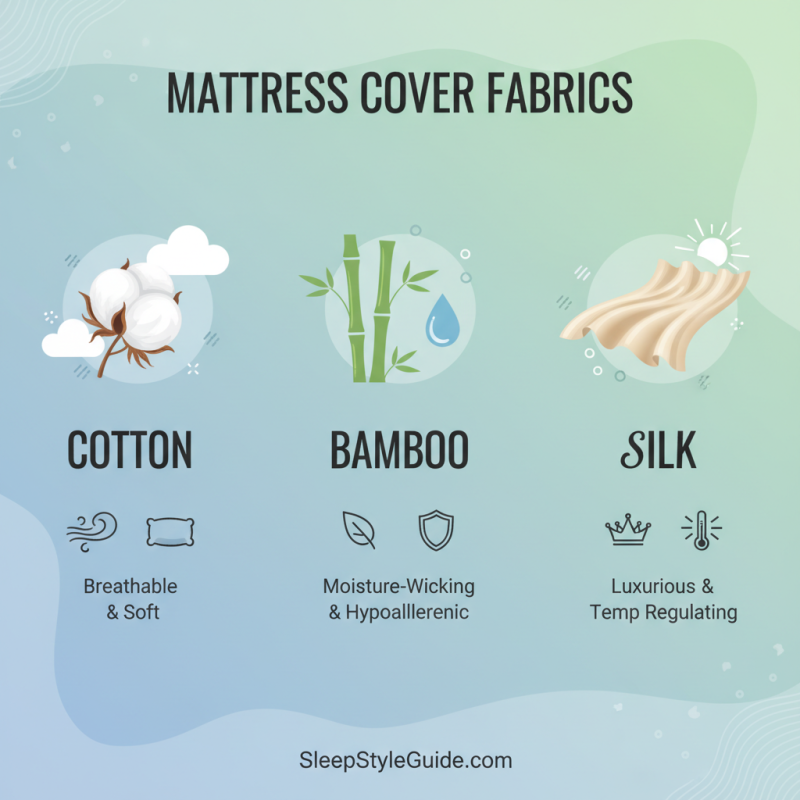
When it comes to selecting the right fabric for mattress covers, several materials stand out for their comfort, durability, and style. Cotton is a timeless choice, known for its breathability and softness, making it perfect for those who want a cozy sleep surface. Bamboo fabric offers a sustainable alternative, known for its moisture-wicking properties and hypoallergenic qualities, ensuring a cool and healthy sleep environment. For those seeking luxury, silk provides an elegant touch, adding both softness and temperature regulation.
Tips for selecting the right fabric include considering your personal preferences for texture and temperature. If you tend to sleep hot, opt for lighter fabrics such as cotton or bamboo that promote airflow. For individuals with allergies, hypoallergenic materials like bamboo or specific synthetics are ideal. Additionally, think about maintenance and durability – fabrics that are easy to clean will save you time and effort in the long run.
Microfiber and polyester blends also deserve mention, as they offer durability and resistance to stains, making them practical choices for any household. For those looking for a unique touch, linen is a great option that combines rustic charm with a natural feel. Whichever material you choose, ensuring it aligns with your comfort needs and aesthetic preferences is key to achieving the ultimate sleep experience.
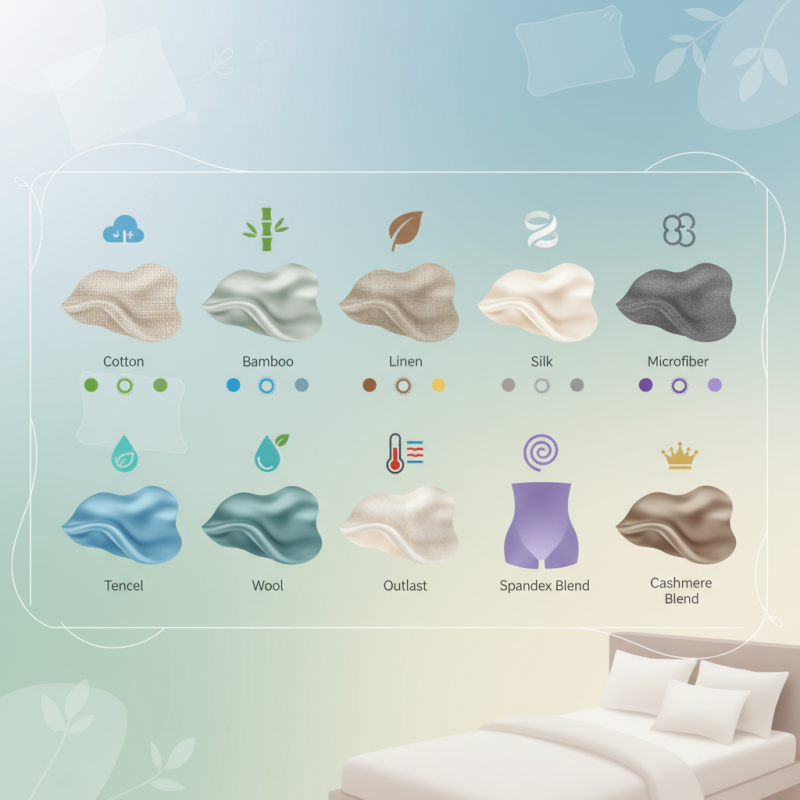
Top 10 Mattress Cover Fabrics: Features and Benefits
When it comes to selecting the right mattress cover fabric, comfort and style are paramount. According to a report by the Global Sleep Foundation, approximately 60% of individuals express dissatisfaction with their sleep quality, often linked to inadequate bedding materials. A well-chosen mattress cover fabric can significantly improve sleep comfort, helping to regulate temperature and moisture for a more restful night's sleep. Fabrics such as cotton are praised for their breathability, while polyester blends offer durability and moisture-wicking properties, making them suitable for a wide range of sleepers.
Additionally, the aesthetics of your mattress cover can enhance the bedroom's overall decor. A study published by the Sleep Research Society highlights that the visual appeal of bedding can positively influence sleep environment perception, contributing to overall well-being. Fabrics like linen provide a luxurious feel and are naturally hypoallergenic, catering to those with sensitivities. Meanwhile, bamboo fabrics are gaining popularity due to their sustainable nature and antimicrobial qualities, offering both comfort and eco-friendliness. These features not only improve the sleeping experience but also contribute to a stylish and inviting atmosphere in any bedroom setting.
Top 10 Mattress Cover Fabrics: Features and Benefits
Comparative Analysis of Fabric Durability and Maintenance
When selecting mattress cover fabrics, durability and maintenance are key factors that significantly impact both comfort and the lifespan of the product. According to a recent report from the International Bedding Industry, fabrics like polyester and cotton blend have shown remarkable resilience, lasting up to 5 times longer than traditional 100% cotton options under similar use conditions. This durability is crucial as it contributes not only to the longevity of the mattress cover but also helps maintain its aesthetic appeal over time, reducing the need for frequent replacements.
Maintenance is another essential consideration; easy-care fabrics such as microfiber and synthetic blends require minimal effort to keep clean, often holding up well against common challenges such as stains and allergens. A study published in the Journal of Textile Science indicates that fabrics treated with anti-microbial finishes can effectively mitigate the growth of harmful bacteria, making them ideal for individuals who are sensitive to allergens. Ensuring that a mattress cover is both durable and easy to maintain can ultimately enhance the comfort of the sleeping environment while supporting a healthier lifestyle.
Tips for Choosing the Right Fabric for Your Mattress Cover
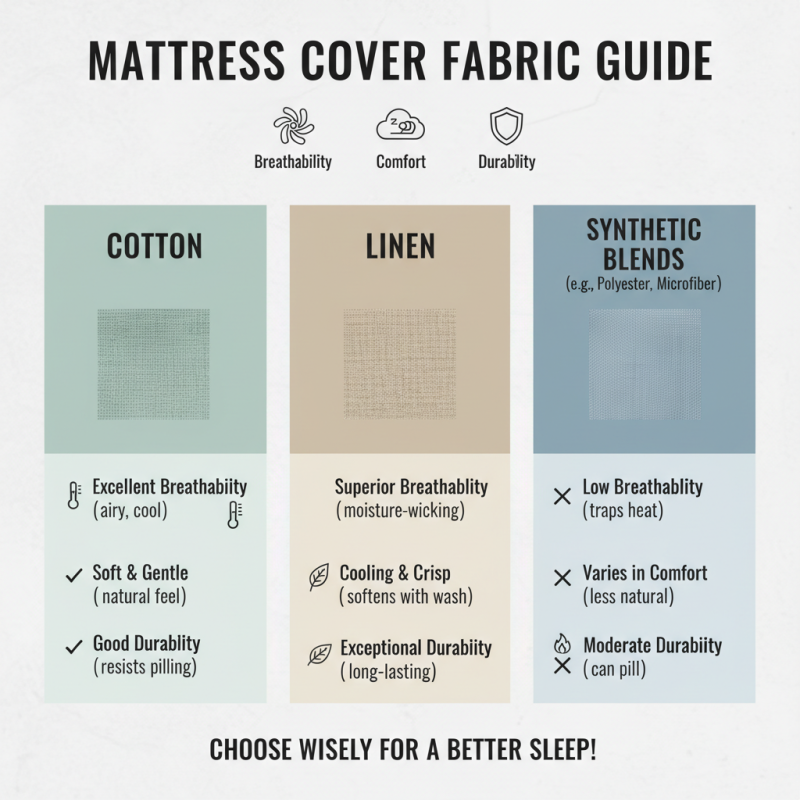
When selecting the right fabric for your mattress cover, it’s essential to consider several key factors that can significantly enhance your sleeping experience. First, think about the material’s breathability. Fabrics such as cotton and linen are excellent options, as they allow air circulation, helping to regulate temperature and keep you comfortable throughout the night. On the other hand, synthetic fabrics might trap heat, which could be detrimental for those who tend to sleep hot.
Another crucial element to consider is the fabric's durability and ease of care. Mattress covers should withstand regular use and washing without losing their integrity. Fabrics like polyester are not only robust but also often machine washable, making them a practical choice for maintaining cleanliness. Additionally, consider the texture and feel of the material against your skin; choosing a soft, hypoallergenic fabric can prevent irritation and promote a restful sleep. Ultimately, balancing comfort, style, and practicality will lead you to the best fabric for your mattress cover.