
Top 10 Plastic Mattress Covers for Global Buyers
Choosing a Plastic Mattress Cover can protect mattresses from moisture, dust, stains, and frequent handling. For global buyers, the right choice involves more than a low purchase price. Material thickness, waterproof performance, odor, closure design, and packaging all influence practical value. A cover that feels strong in a warehouse may tear during installation. Small details matter.
This guide examines ten plastic mattress covers for different purchasing needs, including hotels, hospitals, retailers, moving companies, and household users. Each option should be assessed through measurable specifications, such as polyethylene type, dimensions, seam construction, zipper quality, and carton quantity. Buyers should request samples before placing large orders. Check the cover on an actual mattress, not only in product photographs.
Safety and reliability also require careful supplier verification. Look for clear technical data, consistent labeling, test reports, and suitable certifications for the destination market. Claims such as “eco-friendly” need evidence, because plastic products vary widely in composition and disposal requirements. Recycling access also differs between countries. That limitation deserves attention.
No cover is perfect. A thicker film may improve tear resistance but increase storage volume. A tight fit may reduce movement but complicate installation. Some covers produce a noticeable plastic sound, especially on quiet bedroom floors. Our selection considers these trade-offs alongside price, usability, protection, and supply consistency. The final ranking is a practical starting point, not a substitute for product testing and professional purchasing judgment.
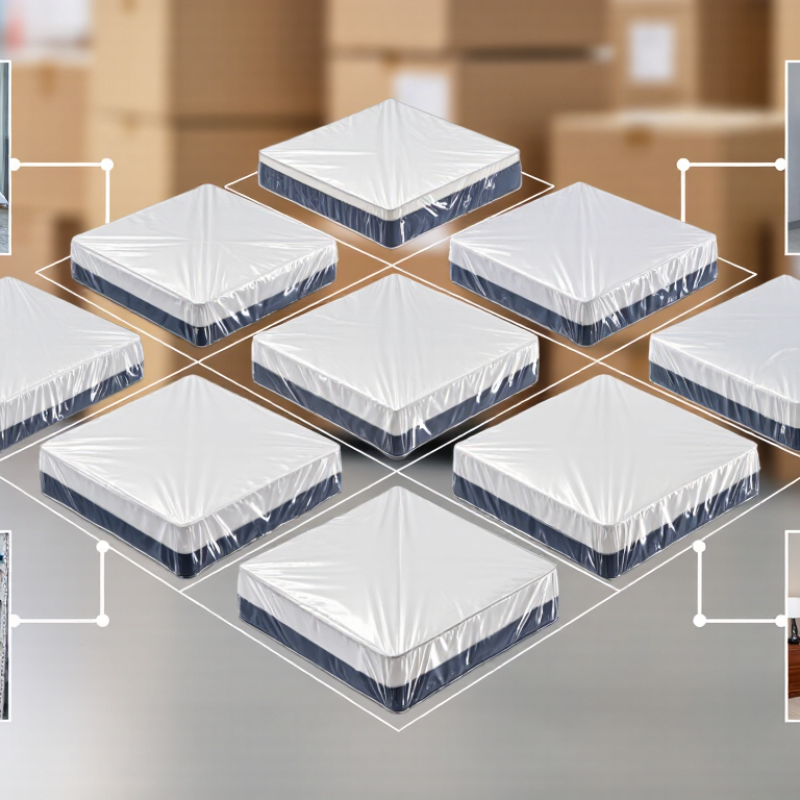
What Plastic Mattress Covers Are and Why Global Buyers Need Them
Plastic mattress covers are fitted barriers made from polyethylene, vinyl, or coated textile materials. They protect mattresses from moisture, stains, dust, and repeated handling. For global buyers, this simple layer can reduce cleaning time in hotels, hospitals, student housing, and family bedrooms.
The OECD’s Global Plastics Outlook reports that only about 9% of plastic waste was recycled worldwide in 2019. That figure matters when choosing covers. A low-cost product may perform well but create difficult disposal problems. UNEP also reports that more than 430 million tonnes of plastic are produced annually. Mattress covers represent only a small part of this stream, and industry reports rarely measure them separately. That is an uncomfortable gap. Buyers should examine material thickness, seam sealing, odor, tear resistance, and packaging waste instead of trusting price alone.
Tips: Request independent test reports for waterproofness, flammability, and seam strength. Check whether the cover fits tightly without stressing the zipper. In humid regions, breathable designs may prevent trapped condensation. In colder warehouses, flexible materials are safer than brittle films. Avoid assuming “waterproof” means fully durable. Field experience often shows failures begin at corners and zippers. Ask suppliers for batch inspection records, product samples, and clear disposal guidance before placing a large order.
Top 10 Plastic Mattress Covers for Global Buyers - What Plastic Mattress Covers Are and Why Global Buyers Need Them
| Rank | Plastic Mattress Cover Type | Typical Material | Common Mattress Sizes | Typical Thickness | Waterproof Performance | Breathability | Closure Design | Best-Fit Applications | Key Buying Considerations |
|---|---|---|---|---|---|---|---|---|---|
| 1 | Zippered Polyethylene Mattress Encasement | LDPE or HDPE film with a polyester zipper panel | Single, double, queen, king; custom dimensions available | Approximately 0.08–0.20 mm film thickness | High protection against liquid spills, dust, and surface contamination when fully zipped | Low to moderate | Full-length zipper with enclosed zipper end | Hotels, dormitories, rental housing, storage, and pest-control programs | Check zipper quality, seam construction, mattress depth, and packaging volume |
| 2 | PVC Fitted Mattress Protector | Flexible PVC film, sometimes laminated to a textile surface | Common standard sizes with elasticated fitted corners | Approximately 0.10–0.30 mm | Very high surface waterproofing | Low; PVC may feel warmer than textile-backed materials | Elastic skirt or fitted corner bands | Healthcare, childcare, guest rooms, and heavy spill-risk environments | Review plasticizer compliance, odor, flexibility at low temperature, and cleaning instructions |
| 3 | PE Disposable Mattress Bag | Low-density polyethylene film | Single, double, queen, king, and large custom sizes | Approximately 0.04–0.12 mm | High for short-term transport and storage protection | Low | Open end with adhesive strip, tape, or drawstring | Moving, warehousing, export logistics, emergency accommodation, and temporary storage | Confirm bag dimensions, tear resistance, seal strength, and recycling information |
| 4 | TPU Waterproof Mattress Protector | Thermoplastic polyurethane membrane bonded to polyester or knitted fabric | Single through king and many regional size standards | Approximately 0.015–0.05 mm membrane, excluding fabric | High waterproof protection with sealed or laminated construction | Higher than solid plastic film because the membrane can be moisture-vapor permeable | Fitted elastic skirt or zipper encasement | Premium hospitality, healthcare, family bedrooms, and reusable protection | Ask for hydrostatic pressure results, seam sealing, wash durability, and fabric composition |
| 5 | PEVA Mattress Cover | Polyethylene vinyl acetate film | Most standard household and institutional mattress sizes | Approximately 0.10–0.25 mm | High surface water resistance | Low to moderate | Zipper, elastic edge, or envelope-style opening | Household use, budget hospitality, student housing, and seasonal storage | Verify material composition, odor level, flexibility, and compliance with destination-market rules |
| 6 | Vinyl Mattress Encasement | Flexible vinyl film, commonly PVC-based | Single, double, queen, king, and custom institutional sizes | Approximately 0.15–0.40 mm | Very high when the enclosure and zipper are properly sealed | Low | Three-sided or full-length zipper | Long-term storage, medical facilities, shelters, and industrial accommodation | Evaluate odor, tear strength, zipper durability, fire-safety requirements, and restricted substances |
| 7 | Clear Plastic Mattress Storage Cover | Transparent LDPE or LLDPE film | Designed around mattress length, width, and depth rather than one universal size | Approximately 0.06–0.15 mm | High protection from dust, moisture splashes, and handling dirt | Low | Adhesive flap, tape closure, drawstring, or heat-sealed opening | Furniture warehouses, moving companies, retailers, and export shipments | Measure packed mattress dimensions and check puncture resistance and carton efficiency |
| 8 | Heavy-Duty Mattress Transport Cover | Thicker PE film or reinforced woven polypropylene with a plastic coating | Single, double, queen, king, and oversized commercial mattresses | Approximately 0.15–0.35 mm for film versions | High protection during short- and medium-term transport | Low to moderate, depending on the backing material | Zip closure, hook-and-loop flap, or reusable buckle system | International freight, relocation, hotel renovation, and repeated handling | Consider corner reinforcement, lifting strength, closure reuse, pallet compatibility, and net weight |
| 9 | Reusable EVA Mattress Cover | Ethylene-vinyl acetate film or EVA-coated textile | Standard household sizes and custom commercial dimensions | Approximately 0.15–0.40 mm | High water resistance with good flexibility | Low to moderate | Zipper, elastic perimeter, or roll-top closure | Camping, healthcare support, temporary accommodation, and repeated storage cycles | Check cold-flex performance, seam strength, cleaning method, and material odor |
| 10 | Plastic-Coated Fabric Mattress Protector | Polyester or cotton fabric laminated with TPU, PVC, or PE coating | Single through king, including many contract and custom sizes | Approximately 0.20–0.60 mm total laminate thickness | Moderate to high, depending on coating continuity and seam treatment | Moderate; fabric face can improve comfort compared with bare film | Fitted elastic skirt, zipper, or envelope opening | Hotels, care facilities, residential use, and products requiring a softer hand feel | Confirm coating adhesion, wash-cycle performance, fabric weight, shrinkage, and seam waterproofing |
Related Posts
-
Why Choose Plastic Mattress Covers for Global Sourcing?
-
10 Best Vinyl Mattress Covers You Should Consider Today?
-
2026 Top Plastic Mattress Cover Options for Better Sleep Solutions?
-
Best Mattress Cover Options in China for Global Buyers?
-
10 Essential Tips for Choosing the Best Mattress Cover for a Great Sleep
-
Best Bed Bug Mattress Cover for 2026 Buyers Guide?