Top 5 Tips for Choosing a Hypoallergenic Mattress Cover?
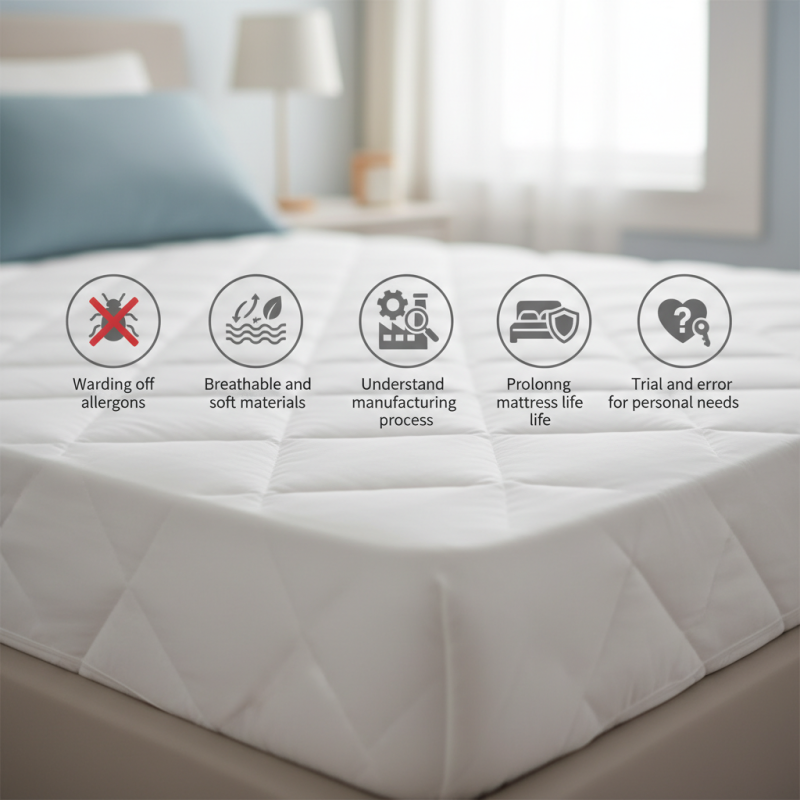
Choosing the right bedding is essential for a good night's sleep. A hypoallergenic mattress cover can significantly improve your sleep environment. These covers are designed to ward off allergens such as dust mites, mold, and pet dander. They create a barrier that protects your mattress from common irritants.
When selecting a hypoallergenic mattress cover, consider your specific needs. Not all covers are created equal. Some materials may provide better protection than others. Look for options that are breathable and soft to ensure comfort throughout the night. Understanding the manufacturing process can also help you make informed decisions.
It’s important to reflect on the life of your current mattress and how a cover can improve it. A quality hypoallergenic mattress cover not only protects but also prolongs the life of your mattress. However, finding the perfect one may require some trial and error. Each individual's sensitivities and preferences can vary greatly. It’s a journey worth taking for healthier sleep.
Understanding Hypoallergenic Materials for Mattress Covers
When selecting a hypoallergenic mattress cover, understanding the materials is essential.
Not all hypoallergenic covers are created equal. Common materials include organic cotton,
bamboo, and polyester blends. Each kind presents unique properties that impact comfort and protection.
Organic cotton is breathable and soft, reducing the risk of irritation.
Bamboo is naturally moisture-wicking and has antibacterial qualities. Polyester blends can be durable but may trap heat.
It’s vital to consider certifications. Look for materials certified by reputable organizations.
This can help ensure they are free from harmful chemicals. Allergens such as dust mites are problematic, so some materials are specifically engineered to
repel these intruders. However, not every cover on the market offers the same level of protection.
Pay attention to the weave of the fabric. A tighter weave can offer better defense against allergens. Yet, tighter weaves may restrict airflow, causing discomfort.
It is crucial to find the right balance. Testing different covers can help you understand what works best for your needs.
Be mindful of your body’s reactions to different materials. Hypoallergenic mattresses do require a bit of trial and error to find your perfect match.
Evaluating Thread Counts and Fabric Durability
When selecting a hypoallergenic mattress cover, it's crucial to assess thread counts and fabric durability. A higher thread count often indicates better quality. However, a high number doesn't always guarantee a soft texture. It's essential to balance thread count with fabric type. Cotton, for instance, remains a popular choice for its breathability and softness. But not all cotton is created equal. Look for sustainably sourced materials without synthetic blends that might irritate sensitive skin.
Durability is another key factor. Consider how often you'll wash the cover. Frequent laundering demands a fabric that can withstand wear and tear. Some hypoallergenic covers may feel soft but lose their shape after multiple cycles in the washing machine. This leads to an increased need for replacements, which can be frustrating. Therefore, reading user reviews and researching fabric performance under stress can provide insights into the product's long-term viability.
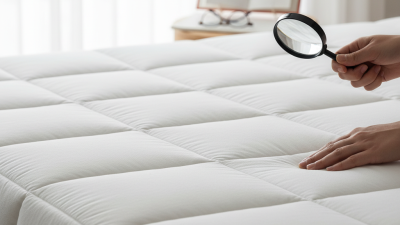
Finally, inspect the seams and stitching. Poor craftsmanship can lead to early deterioration. A well-constructed cover should have reinforced seams, preventing fraying or tearing over time. Reflect on your specific needs. Sometimes, hypoallergenic materials may not perform as expected, requiring more frequent replacements than anticipated. Ensuring you make an informed choice can save time and resources in the long run.
Checking for Certifications and Allergy Resistance Features
When searching for a hypoallergenic mattress cover, checking for certifications is crucial. Certifications provide assurance that the product meets specific standards. The Asthma and Allergy Foundation of America (AAFA) indicates that certified hypoallergenic materials can significantly reduce allergy symptoms. Look for labels that confirm compliance with these standards.
The material of the mattress cover matters too. Some materials resist allergens better than others. For example, studies show that cotton and bamboo fabrics tend to be less hospitable to dust mites and mold. This can result in fewer allergy flare-ups. It’s worth noting, however, that not all cotton or bamboo covers are created equal. Quality varies widely across the market.
Lastly, it’s important to understand that no product guarantees 100% allergy protection. Some individuals may still react to certain materials, regardless of the manufacturer's claims. It is beneficial to read customer reviews and scientific studies that explore these variables. This approach ensures informed choices while managing expectations realistically. Opting for a hypoallergenic mattress cover can improve sleep quality, but thorough research is key.
Assessing Fit and Compatibility with Your Mattress Size
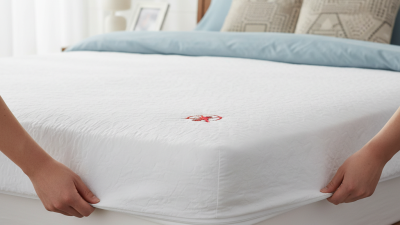
When selecting a hypoallergenic mattress cover, assessing its fit with your mattress size is crucial. A well-fitting cover will prevent allergens from penetrating your sleeping surface. Measure your mattress dimensions carefully; consider its thickness and firmness. Standard sizes like twin, queen, or king require specific dimensions for optimal fit. An inappropriate size can lead to discomfort.
Compatibility also depends on the mattress type. Memory foam, innerspring, and latex mattresses have varying contours. The cover should stretch well but not be overly loose. Loose covers can shift during sleep, exposing your mattress to dust and allergens. Some covers feature zippers or secure straps that help maintain stability throughout the night.
Consider the material of the hypoallergenic cover, as it should be breathable yet durable. Fabrics like cotton or polyester blends often work best for preventing moisture buildup. Regular washing is necessary to maintain cleanliness. Remember, choosing the right fit enhances your sleep experience and protects your health. It's an important choice that merits careful consideration.
Top 5 Tips for Choosing a Hypoallergenic Mattress Cover
| Tip |
Description |
Size Compatibility |
Material Type |
| Check for Certification |
Look for covers that are certified by organizations like OEKO-TEX or GOTS. |
Available in all standard sizes. |
Organic Cotton, Bamboo |
| Consider Washability |
Select covers that are machine washable for easy maintenance. |
Fits Twin, Full, Queen, King. |
Polyester, Cotton Blend |
| Assess Breathability |
Choose materials that allow air circulation to reduce moisture buildup. |
Standard and custom sizes available. |
Tencel, Mesh Fabric |
| Check Allergens Blockage |
Ensure the cover has a high thread count for effective allergen protection. |
Available in all mattress sizes. |
Microfiber, Vinyl |
| Evaluate Durability |
Choose covers that can withstand frequent washing and everyday use. |
Twin to California King sizes. |
Nylon, Heavy-Duty Polyester |
Budgeting and Comparing Prices for Quality Options
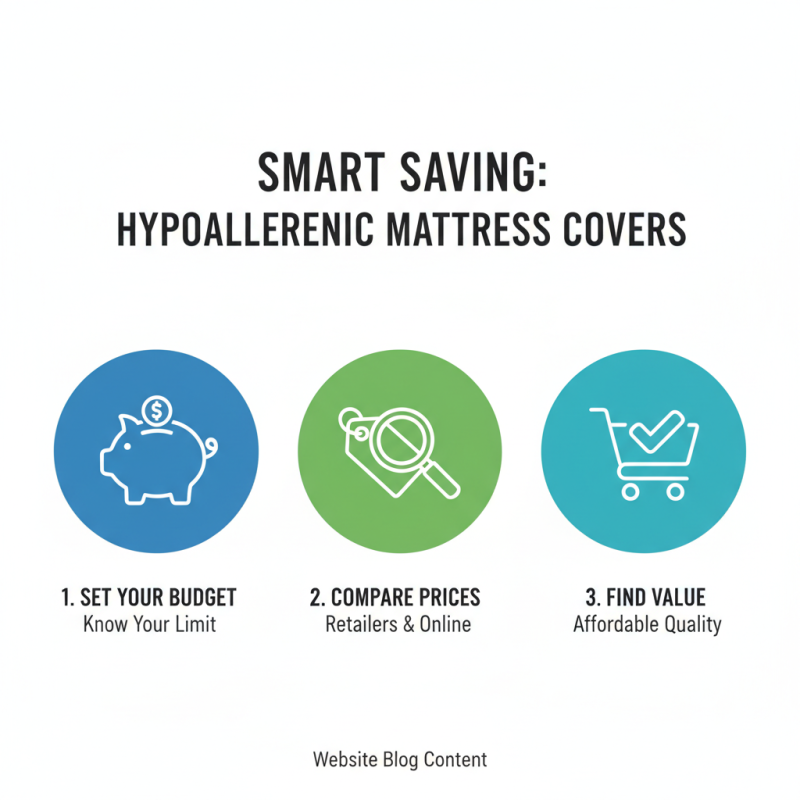
When considering a hypoallergenic mattress cover, budgeting is crucial. Quality options often come at a higher price, but that doesn't mean you can't find affordable choices. Start by determining your budget. Knowing your spending limit helps narrow down your options. Compare prices across different retailers. Sometimes, similar products vary significantly in price. Online marketplaces may offer discounts that traditional stores do not.
Look for customer reviews to gauge reliability. A product may be affordable, but it should also be effective. Not all hypoallergenic covers are created equal. Consider materials used—natural fibers tend to cost more, but they are often better at preventing allergens. It's worth investing a little extra for durability and comfort.
You might also have to weigh personal preferences against your budget. A higher-priced cover might seem daunting, yet it can save you hospital visits. In contrast, a cheaper option could leave you exposed to allergens in the long run. Keep an open mind as you research, and reevaluate your choices. Finding the right balance between quality and price requires some reflection. Building a budget is not easy, but it pays off in the long run.