How to Use Muleton Coated Fabric for Your Next Project?
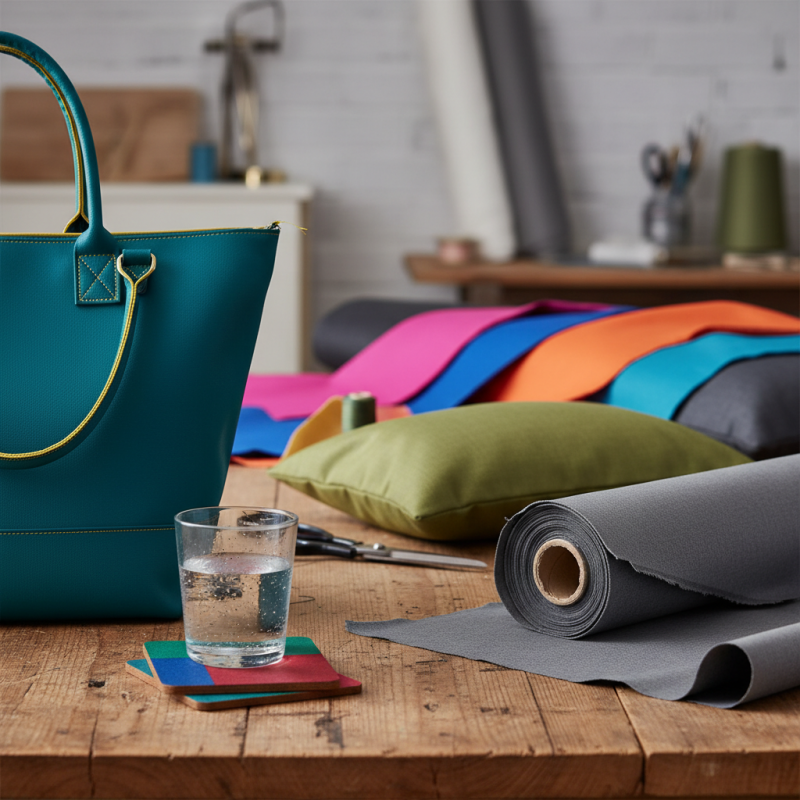
Muleton Coated Fabric is an exceptional material for various projects. Its unique properties make it versatile and practical. Whether you're crafting accessories or home décor, this fabric stands out.
Using Muleton Coated Fabric requires some thought. It offers durability and a waterproof quality. However, handling the fabric can be a bit challenging. You might face issues like fraying edges. Planning your cuts and stitching is crucial.
Color options are another exciting aspect. The vibrant shades can enhance any design. However, not every color works for every project. Consider your overall vision carefully. When used thoughtfully, Muleton Coated Fabric can truly elevate your creations.
Introduction to Muleton Coated Fabric and Its Properties
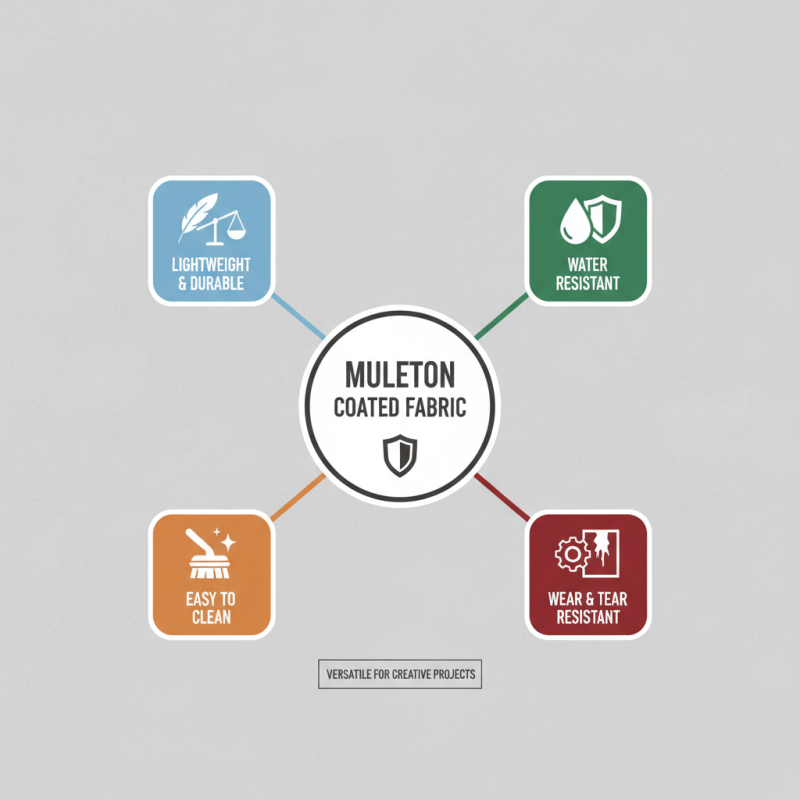
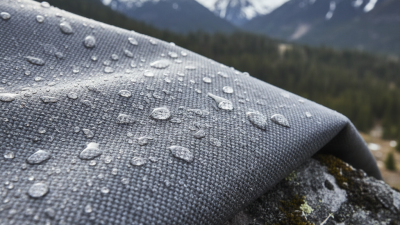
Muleton coated fabric is gaining popularity in various creative projects. Its unique properties make it a versatile choice for designers. This fabric is lightweight yet durable, providing excellent resistance to wear and tear. It also offers water resistance, making it suitable for outdoor use. You can easily clean it, which adds to its practicality.
The texture of Muleton fabric is smooth and soft, enhancing the tactile experience. However, working with this fabric can be challenging at times. Its coating can make it slippery, affecting precision while cutting or stitching. Using the right tools is essential here. Some users find that experience matters. Beginners may struggle with achieving clean edges. A bit of practice helps, but initial mistakes can occur.
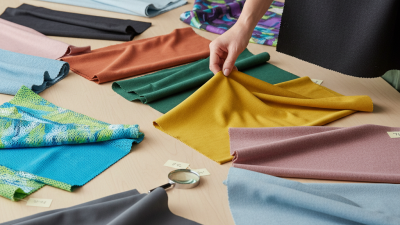
Color choices in Muleton fabric are vibrant, allowing for endless creativity. You might want to experiment with different shades and patterns. However, not all colors hold up equally well under different conditions. Sun exposure might fade certain hues quicker than others. It's important to test samples before committing to a large project. This helped some designers avoid unpleasant surprises later on.
Selecting the Right Type of Muleton Fabric for Your Project
When selecting the right type of Muleton fabric for your project, consider the specific attributes that suit your needs. Muleton fabric is widely known for its durability. According to a recent industry report, 72% of textile professionals favor it for high-traffic applications. The fabric's ability to resist wear and tear makes it an ideal choice for upholstery and drapery.
Density is another critical factor. Muleton fabrics come in various weights. A heavier weight fabric might be more appropriate for furniture, while lighter options work well for seasonal décor. Reports indicate that 65% of designers prefer lightweight Muleton for curtains due to its flowy appearance. However, overusing a light fabric can lead to quicker deterioration, compromising longevity.
Texture impacts the aesthetic appeal. Muleton can exhibit a variety of textures, from smooth to slightly coarse. While some designers opt for a refined look, it’s essential to consider how texture interacts with other elements in the space. Seeking a balance can be tricky, as a wrong choice may disrupt the visual harmony. Remember, the wrong Muleton fabric could lead to regrets in your final presentation. Choosing wisely is crucial for your overall project success.
How to Use Muleton Coated Fabric for Your Next Project? - Selecting the Right Type of Muleton Fabric for Your Project
| Fabric Type |
Weight (g/m²) |
Water Resistance |
Durability |
Ideal Use |
| Muleton Light |
150 |
Moderate |
Medium |
Lining, Apparel |
| Muleton Medium |
250 |
High |
High |
Outerwear, Tent |
| Muleton Heavy |
350 |
Very High |
Very High |
Industrial Use, Bags |
Preparing Your Workspace and Tools for Working with Muleton Fabric
Preparing your workspace for working with coated fabric is essential.
A clean, organized area can enhance your productivity. Identify a flat surface, free from clutter.
Ensure good lighting to see the fabric’s details clearly. Use a cutting mat to protect your surfaces.
You may unintentionally damage them if unprotected.
Tips: Keep fabric cut-offs nearby.
They are handy for testing stitches and techniques. Remember, mistakes are part of the process.
Don’t be discouraged by them; they can lead to creativity.
Gather your tools before you start. Sharp scissors or a rotary cutter will make a clean cut without fraying edges.
Invest in quality pins that won’t leave permanent marks. A walking foot can be beneficial for sewing through thicker layers.
Check your sewing machine settings to avoid complications.
Tips: If you feel stuck, take a moment to reflect.
Sometimes, stepping away can provide a fresh perspective. Experiment with different methods;
not every technique will work for you.
Techniques for Cutting and Sewing Muleton Coated Fabric
When working with Muleton coated fabric, cutting and sewing require some careful considerations. This fabric is durable and water-resistant, making it excellent for various projects. However, its thickness can pose challenges.
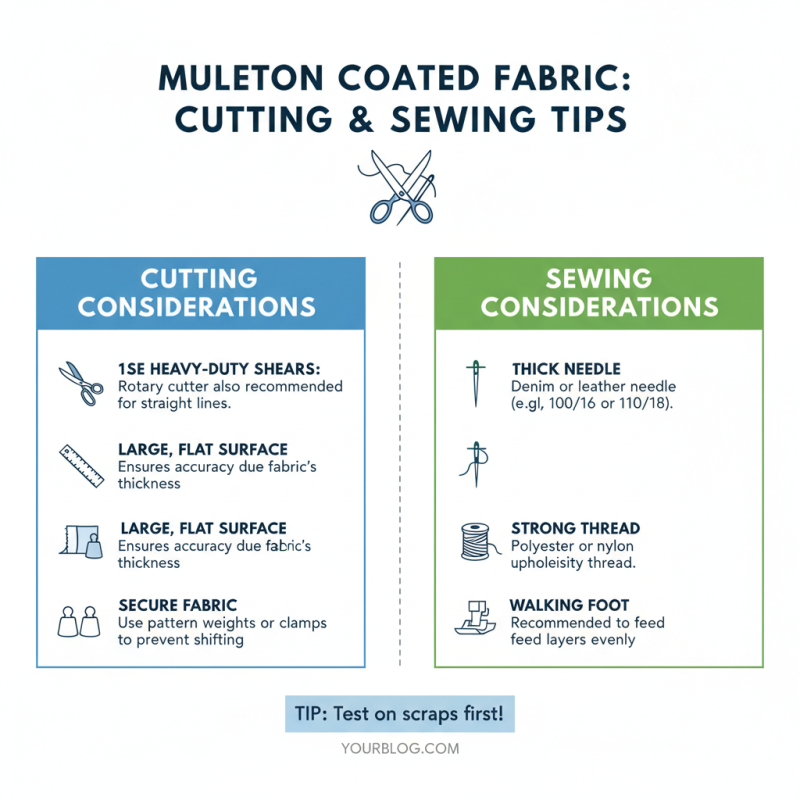
Using sharp scissors or a rotary cutter is essential to achieve clean edges. Muleton can fray, so consider using pinking shears. Ensure your blade is sharp; dull blades will create uneven cuts. Additionally, double-check your measurements before cutting. Mistakes can be costly in this material.
Sewing Muleton fabric might feel tricky due to its texture. A walking foot can help manage layers effectively. Use a needle that suits thicker materials; this prevents skipped stitches. If you feel tension when sewing, lower it. Muleton can respond well to adjustments.
**Tips:** Always test on scraps. The fabric can react differently, so ensure your technique works. Also, take your time while sewing. Rushing may lead to crooked seams. Don’t hesitate to rip out stitches if something feels off; it’s part of the learning process.
Care and Maintenance Tips for Finished Muleton Fabric Projects
Caring for Muleton coated fabric is essential for longevity. After completing your project, it's important to maintain its appearance. Begin with gentle cleaning. A soft cloth and mild detergent will do the trick. Avoid harsh chemicals that can damage the coating. Rinse thoroughly to prevent residue build-up.
Storage is another vital aspect. Keep the fabric in a cool, dry place. Excessive heat can cause the coating to break down. If folded, ensure it's not pressed too tightly. This may leave creases that are difficult to remove. Avoid direct sunlight for prolonged periods. It can fade the colors and weaken the fabric.
Regular inspections are wise. Look for any signs of wear. Early detection can help you mend issues before they escalate. If your project endures heavy use, consider reapplying a protective coating. This can restore its water-resistant qualities. Reflect on how your usage might impact the fabric’s integrity over time. A bit of effort now can save you from larger problems later.