Why Choose Waterproof Pillow Protectors for Better Sleep?
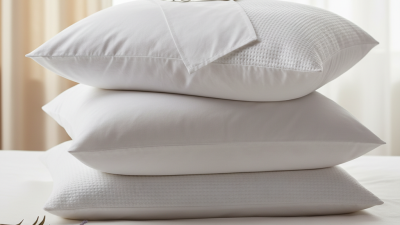
A good night's sleep is essential for our overall well-being. Yet, many overlook one simple solution: choosing a Pillow Protector Waterproof. These protectors are not just about keeping pillows clean; they enhance comfort and prolong the lifespan of your bedding.
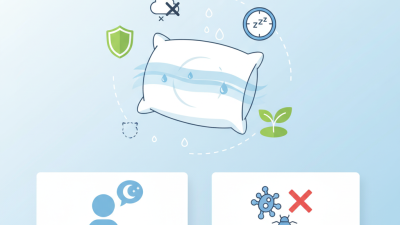
Imagine resting your head on a pillow that is shielded from moisture, stains, and allergens. A waterproof protector creates a barrier against sweat, spills, and dust mites, promoting a healthier sleeping environment. This can be particularly beneficial for those with allergies or sensitive skin.
While people may assume that waterproof materials are uncomfortable, modern technology has advanced significantly. Many Pillow Protector Waterproof options now offer a soft, breathable surface. However, not all products are created equal. It's crucial to choose trustworthy brands that prioritize quality. Investing in a quality pillow protector can transform your sleep experience. It might require some effort to find the right one, but the rewards are worth it.
Benefits of Waterproof Pillow Protectors for Sleep Quality
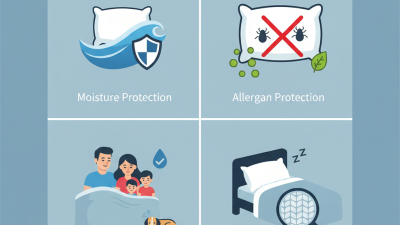
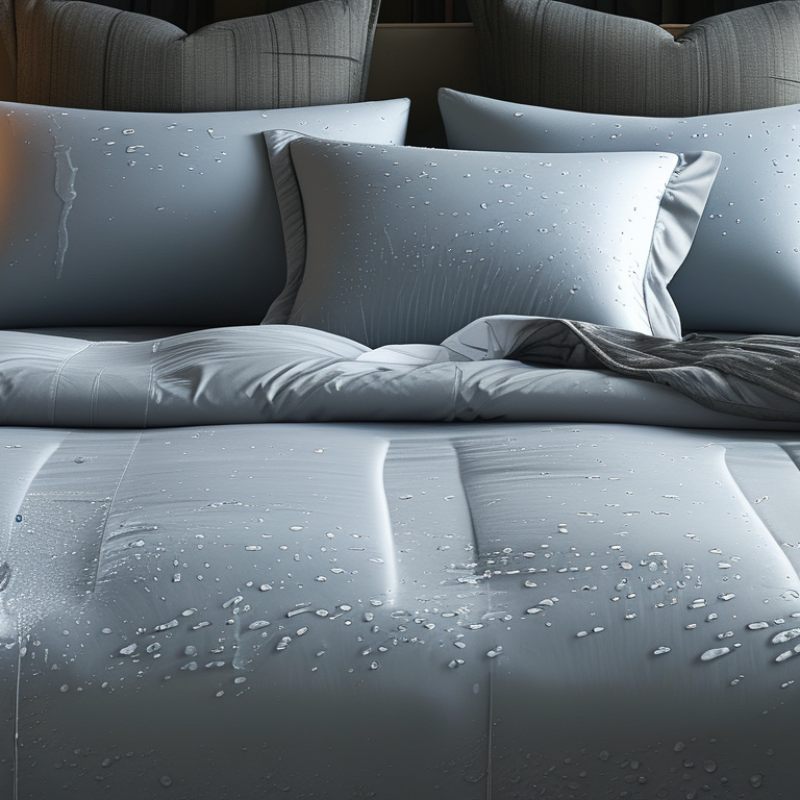
Choosing waterproof pillow protectors can significantly enhance your sleep quality. They offer a barrier against allergens, dust mites, and moisture. This means you can enjoy a cleaner and healthier sleep environment. Additionally, they prevent spills and stains from ruining your pillows, which can lead to discomfort.
Sleep hygiene is crucial. For better rest, consider the following tips: Always wash your pillow protectors regularly. This helps eliminate bacteria and odors. Choose protectors made from breathable materials. While waterproof, they should still allow for airflow to maintain comfort throughout the night.
Another important aspect is the way waterproof pillow protectors can extend the life of your pillows. Regular exposure to sweat, oils, and other contaminants can lead to deterioration. Protectors shield your investment, ensuring that your pillows remain comfortable for longer. However, not all options are perfect. Some may feel too noisy or not soft enough. It's essential to choose a product that balances waterproof features with comfort for a rejuvenating sleep experience.
How Waterproof Pillow Protectors Prevent Allergens and Dust Mites
Dust mites and allergens are common triggers for sleep disruptions. Research shows that nearly 50 million Americans experience allergies, with dust mites being a significant contributor. These microscopic pests thrive in bedding, pillowcases, and mattresses. In fact, a single pillow can contain up to 1 million dust mites, which can worsen allergy symptoms.
Waterproof pillow protectors serve as a crucial barrier. They not only shield pillows from liquids but also keep allergens at bay. By using protective covers, you can reduce allergen exposure by as much as 80%. This can lead to significant improvements in sleep quality. Many individuals report fewer allergy symptoms, resulting in more restful nights.
In addition to allergens, waterproof protectors help maintain hygiene. They can be easily washed and prevent the buildup of bacteria and mold. Regular cleaning is often overlooked, leading to poor sleep environments. Even with the best intentions, pillows can be neglected over time. Investing in waterproof protectors simplifies maintenance and promotes healthier sleep hygiene.
The Role of Moisture Control in Enhancing Sleep Comfort
Choosing waterproof pillow protectors can significantly enhance sleep comfort through effective moisture control. Studies reveal that optimal sleep quality often hinges on a dry, comfortable environment. According to research by the National Sleep Foundation, people sleep better in conditions where humidity is managed properly. Excess moisture can lead to mold growth and dust mites, both of which can disrupt sleep patterns.
Waterproof pillow protectors offer an important barrier. They prevent sweat and spills from penetrating the pillow, maintaining a drier surface. A report published in the Journal of Clinical Sleep Medicine highlighted that reducing allergens can improve overall sleep quality. This calls for a more thoughtful approach to pillow care, which many overlook. When choosing a pillow protector, consider materials that promote breathability while keeping moisture at bay.
Tips:
1. Regularly wash your pillow protectors to reduce allergens.
2. Look for breathable, waterproof materials for optimal comfort.
3. Consider replacing your pillow every couple of years to prevent moisture buildup.
By focusing on moisture control, the sleep environment can be optimized, facilitating deeper and more restorative rest. Paying attention to these factors can make a significant difference.
Choosing the Right Waterproof Pillow Protector Material
Choosing the right waterproof pillow protector material is essential for improving your sleep environment. Different materials offer varying levels of comfort, breathability, and moisture resistance. Look for options made from breathable fabrics like cotton blends, which are effective while maintaining a soft feel.
Synthetic materials, like polyester, can provide solid protection against spills and allergens but may lack breathability.
Tips: Test the fabric for comfort. A protector should feel gentle against your skin. Evaluate the waterproof feature to ensure it doesn’t compromise the softness. After all, feeling comfortable is key to a good night’s sleep.
Some materials may not be durable. They can wear out over time, losing their protective qualities. Choose a protector that balances comfort and durability. This will ensure your investment lasts longer, providing continued protection against moisture and allergens. Pay attention to maintenance requirements. Some fabrics might need special care, which can be a hassle in the long run.
Ultimately, the best waterproof pillow protector should enhance your sleep quality without sacrificing comfort. So be mindful of how the materials impact your overall sleeping experience.
Maintenance Tips for Long-lasting Waterproof Pillow Protectors
Waterproof pillow protectors enhance sleep quality while offering a practical solution for maintaining cleanliness. To extend their lifespan, regular maintenance is crucial. According to the National Sleep Foundation, clean bedding can improve sleep quality by up to 20%. Thus, proper care of protectors becomes essential.
Start by checking labels for cleaning instructions. Many protectors are machine washable, but temperature recommendations vary. Washing in cold water is often gentler. Avoid bleach, as it can degrade materials. After washing, air drying is preferable, as high heat can damage the waterproof layer.
Check for any signs of wear over time. A worn protector may not offer adequate protection. The average lifespan for high-quality waterproof protectors ranges from two to five years. Regular checking is necessary to ensure effectiveness. Ultimately, investing time in maintenance can prolong the benefits of waterproof pillow protectors, leading to a more restful night's sleep.