What Are the Benefits of Tpu Fabric for Your Products?
TPU fabric has gained significant attention in the textile industry due to its myriad benefits. According to a recent industry report, the global thermoplastic polyurethane market is projected to reach $2.4 billion by 2026. This growth reflects the increasing demand for high-performance materials in consumer products across various sectors. TPU fabric, serving as a versatile option, meets the demands of durability and flexibility.
One noteworthy advantage of TPU fabric is its exceptional resistance to abrasion, making it ideal for applications such as footwear, outdoor gear, and protective clothing. In fact, studies show that products made from TPU can outlast those made from traditional materials by 30% or more. The lightweight properties of TPU allow for easy handling and manufacturing, which can reduce production costs—a benefit for companies looking to optimize their supply chain.
However, while TPU fabric boasts many advantages, it is not without limitations. Some users have reported issues with discoloration and degradation when exposed to UV light over prolonged periods. Thus, it’s essential for manufacturers and designers to balance the benefits with potential drawbacks. Making informed choices about TPU fabric could lead to innovative product development and increased consumer satisfaction in an ever-evolving marketplace.

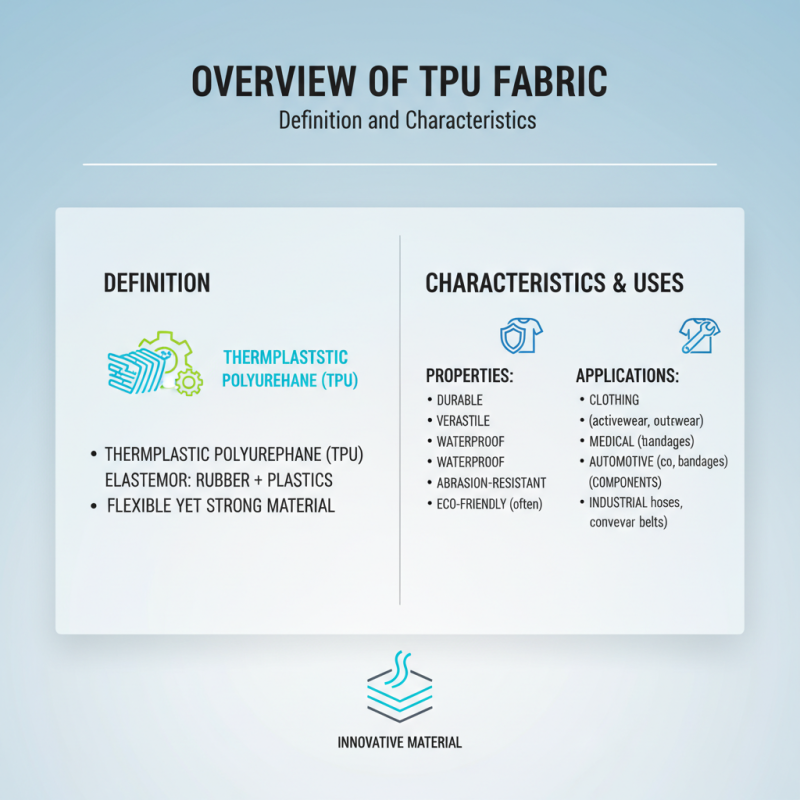
Overview of TPU Fabric: Definition and Characteristics
Thermoplastic polyurethane (TPU) fabric is an innovative material that boasts impressive properties. It is a type of elastomer that combines the versatility of rubber with the durability of plastics. This unique blend allows TPU to be flexible yet strong, making it suitable for various applications, from clothing to industrial uses.
TPU fabric is known for its remarkable resistance to abrasions and tears. Whether exposed to harsh weather conditions or frequent wear, it holds up well over time. Additionally, it is water-resistant, which makes it ideal for outdoor gear. The fabric can also be recycled, aligning with environmentally conscious practices. However, not all TPU fabrics are created equal. It's essential to evaluate the specific type used in your products.
Another noteworthy characteristic is its breathability. While it protects against moisture, it also allows for airflow. This balance is crucial for comfort in wearables. Yet, finding a TPU fabric that offers both durability and comfort can be challenging. Manufacturers must strike a balance between these aspects to meet customer expectations. Overall, understanding these characteristics can help businesses make informed choices when selecting materials for their products.
Durability and Longevity of TPU Fabric in Product Applications
TPU fabric stands out for its durability and longevity, making it ideal for various product applications. This thermoplastic polyurethane is resistant to abrasions, tears, and impacts, which enhances product lifespan. Many industries utilize TPU for items like footwear, bags, and medical devices. When used in these products, the fabric stays functional through extensive use and harsh conditions.
One notable feature of TPU is its flexibility. Despite being strong, it retains a lightweight quality that doesn’t compromise performance. This flexibility allows for easy shaping and molding, which is essential in custom applications. However, ensuring the right balance between flexibility and strength can be challenging. It requires expertise in material selection and design.
Another aspect to consider is TPU’s resistance to environmental factors. It performs well in extreme temperatures and resists oils, greases, and solvents. Yet, different formulations may yield varying results. Conducting thorough testing can help manufacturers choose the best option for their needs. This attention to detail is crucial for achieving optimal performance and longevity in their products.
Benefits of TPU Fabric in Product Applications
Environmental Impact: Biodegradability and Sustainability of TPU
When considering the environmental impact of materials, thermoplastic polyurethane (TPU) stands out. Its biodegradability is a major benefit. Unlike traditional plastics, TPU can break down naturally. This property lessens landfill congestion and reduces long-term pollution.
However, biodegradability does not eliminate all flaws. TPU's production process can still generate waste and emissions. It is crucial to choose suppliers committed to sustainable practices. This way, you ensure that your products are less harmful to the environment.
Tips: Seek out certifications that demonstrate a commitment to sustainability. Implement recycling programs for your TPU products. Engage with customers to educate them on proper disposal methods. Balancing quality with sustainability can be challenging, but every step counts. By focusing on durability and life cycle, you support a more eco-friendly future.
What Are the Benefits of Tpu Fabric for Your Products? - Environmental Impact: Biodegradability and Sustainability of TPU
| Aspect |
Description |
Benefits |
| Biodegradability |
TPU can break down naturally under certain environmental conditions. |
Reduces landfill waste and environmental pollution. |
| Sustainability |
Made from renewable resources and can be recycled. |
Supports eco-friendly product development and a circular economy. |
| Durability |
Resistant to wear, tear, and environmental factors. |
Long-lasting products that reduce the need for replacements. |
| Versatility |
Used in various applications from footwear to tech accessories. |
Wide range of market applications enhancing business opportunities. |
| Chemical Resistance |
Withstands exposure to oils and solvents. |
Increased product lifespan and performance in harsh conditions. |
Versatility of TPU Fabric in Various Industries and Products
TPU fabric has gained traction across various industries due to its unique properties. Its flexibility and durability make it suitable for applications ranging from footwear to medical devices. Manufacturers appreciate how TPU adapts well to different environments. It can withstand temperature variations, making it ideal for outdoor gear and apparel. This resilience ensures products last longer, which is crucial for both consumers and businesses.
In addition to its practical benefits, TPU offers a range of design possibilities. Its transparency allows for innovative product designs, appealing to consumers looking for aesthetics. It also comes in various colors, enabling brands to use it creatively. However, some manufacturers face challenges in sourcing quality TPU. Variations in production can affect consistency, leading to potential design flaws. The balance between quality and cost is a vital consideration.
TPU's versatility also extends to industries like automotive and technology. It protects electronic devices from wear, while in automotive applications, it enhances performance and safety. But, the technology is evolving. As more brands adopt TPU, the market is becoming saturated. Companies may need to differentiate their offerings to stand out. The shift towards sustainability is another layer of complexity, as consumers demand eco-friendly solutions. Navigating these changes poses both opportunities and risks for businesses leveraging TPU fabric.
Comparative Advantages of TPU vs. Traditional Fabrics
When comparing TPU fabric to traditional materials, TPU stands out significantly. One notable advantage is its impressive durability. According to a report by the Textile Research Journal, TPU fabrics exhibit a tensile strength that is 30% higher than conventional nylon. This characteristic leads to increased longevity for products, reducing the need for replacements.
Another factor is TPU's environmental performance. Unlike conventional fabrics, TPU is often manufactured without harmful solvents. A study by the Global Textile Initiative reveals that using TPU can cut production waste by 25%. This is particularly relevant as sustainability becomes a priority in consumer choices. However, some concerns persist regarding the biodegradability of TPU, which isn't as straightforward as natural fibers.
Finally, the water resistance of TPU is noteworthy. Its hydrophobic properties allow it to repel water more effectively than many traditional fabrics. This quality is crucial for outdoor gear and accessories. Yet, achieving this balance between performance and environmental impact requires ongoing innovation. As industries evolve, the challenges associated with TPU's environmental footprint highlight the need for further research and exploration.