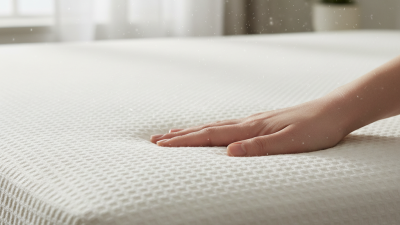
How to Choose the Best Bed Bug Mattress Cover for Your Needs?
When dealing with bed bugs, one of the most effective preventive measures is using a Bed Bug Mattress Cover. According to recent pest control studies, nearly 20% of U.S. households have experienced bed bug infestations. These pests can cause discomfort and anxiety, making a sound sleep difficult. A quality mattress cover can safeguard against these resilient insects, providing a barrier that minimizes their access to bedding.
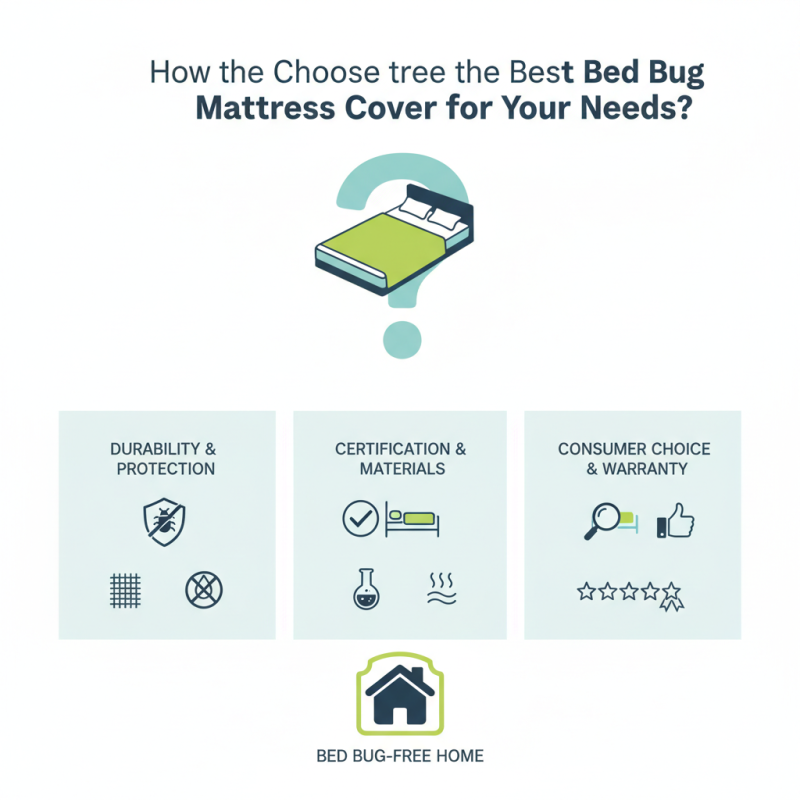
Selecting the right Bed Bug Mattress Cover is essential for your needs. A cover should be durable, waterproof, and specifically designed to trap bed bugs. Industry experts recommend covers that are tested and certified, ensuring high-quality protection. It is crucial to consider materials that are breathable and comfortable, as you don’t want to compromise sleep quality.
Reflecting on your choices can be beneficial. While many covers claim to be effective, not all deliver the same level of protection. Do your thorough research, and choose a cover backed by positive reviews and warranties. Remember, investing in a high-quality mattress cover is not just a purchase; it’s a commitment to a bed bug-free home.
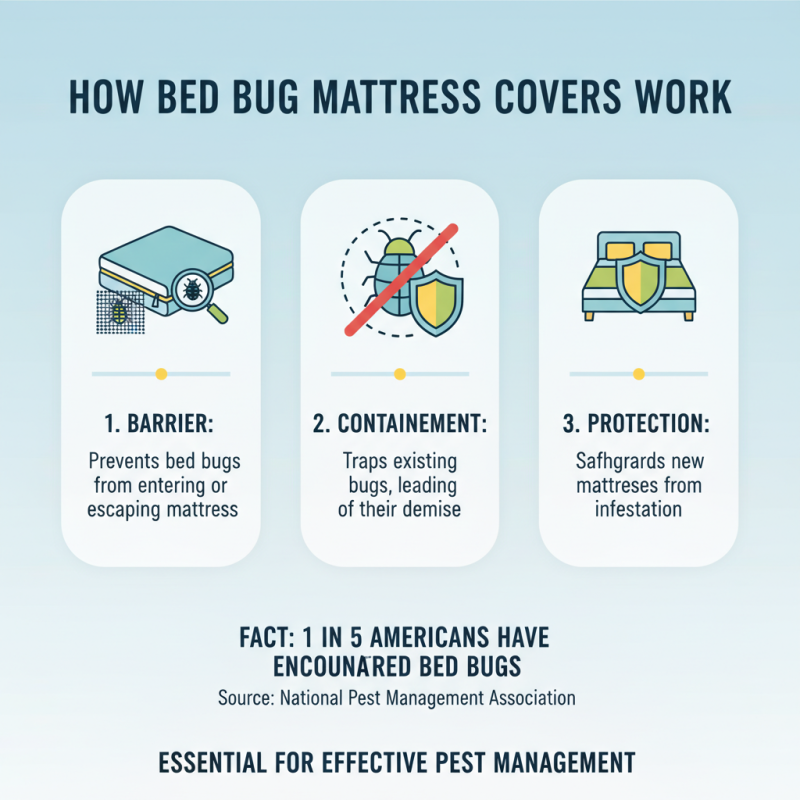
How Bed Bug Mattress Covers Work: Understanding Their Mechanism
Bed bug mattress covers serve a crucial role in pest management for households. These specialized covers act as barriers, preventing bed bugs from infesting mattresses. Understanding their mechanism is essential for effective use. According to the National Pest Management Association, nearly one in five Americans have encountered bed bugs. This statistic highlights the importance of effective protective measures.
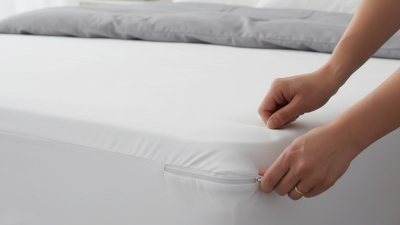
Most bed bug mattress covers employ zippered designs. Such designs create a sealed environment, making it difficult for bed bugs to enter or escape. The fabric is typically made from high-density polyester or similar materials, known for their durability. Research shows that encasements can reduce infestation rates by over 90%. However, not all covers are created equally. Choosing the right one can be tricky. Some covers claim to be bed bug-proof but may not withstand the test of time.
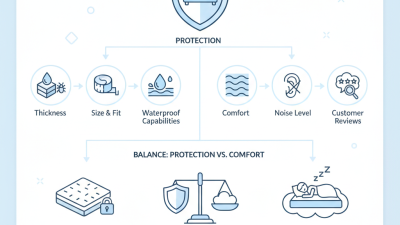
Consider factors like breathability and ease of cleaning. A cover that retains heat might lead to discomfort during sleep. It's important to find a balance between protection and comfort. Some individuals report issues with materials causing skin irritation. Testing the cover before long-term use can help prevent such problems. Additionally, ensure the cover fits snugly on the mattress. Loose fittings allow gaps, undermining the protective barrier.
Key Features to Look for in Bed Bug Mattress Covers
When selecting a bed bug mattress cover, focus on materials. Look for tightly woven fabrics. These prevent bed bugs from penetrating. Quality covers often use breathable materials. This helps with comfort and sleep quality.
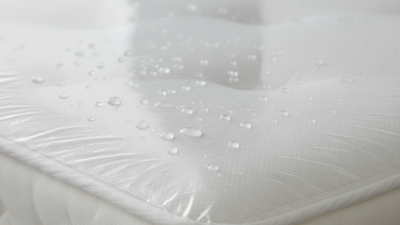
Check for a secure zipper closure. It should be robust and seal well. A failing zipper can let bugs in. Consider waterproof options too. These protect your mattress from spills and stains.
Think about the size and fit. A snug cover is essential. Loose covers may shift and leave gaps. Lastly, check for easy care instructions. Machine washable options are ideal for regular cleaning. This minimizes hygiene issues and keeps your sleep space safe.
Material Types: Evaluating Efficacy and Comfort in Covers
When selecting a bed bug mattress cover, the material plays a crucial role in efficacy and comfort. Different fabric types offer varying levels of protection against these pests. Vinyl covers are known for their waterproof nature, preventing liquid stains and allergens. However, they can be noisy and less breathable, leading to discomfort during sleep. Cotton and polyester blends provide a softer touch, making them more comfortable. They have moderate resistance to bed bugs, but may not be as effective for prevention.
Industry data indicates that around 90% of bed bug infestations begin in or around the mattress. Therefore, choosing a cover with high-grade, tightly woven fabric can significantly reduce this risk. Look for materials with a thread count of at least 200, as they can effectively block bed bugs from accessing the mattress. While the primary goal is protection, comfort should not be sacrificed. An ideal cover balances both aspects.
Reflecting on personal experiences, some users find that even high-quality materials can sometimes show wear and tear. Signs of deterioration, like fraying seams or holes, compromise effectiveness. Regular inspections are vital to ensure continued protection. Ensuring the right material can lead to peaceful sleep, but be mindful of the trade-offs that some materials present.
Material Types in Bed Bug Mattress Covers - Efficacy and Comfort Evaluation
Industry Standards and Certifications for Bed Bug Mattress Covers
When selecting a bed bug mattress cover, understanding industry standards and certifications is essential. Many products claim to protect against pests, but not all are equally effective. The Asthma and Allergy Foundation of America emphasizes choosing covers that meet strict performance criteria. Ideally, look for covers with a minimum 6-micron pore size. This size can effectively prevent bed bugs from passing through.
Certifications like the Good Housekeeping Seal or those from the American Society for Testing and Materials (ASTM) can also guide your choice. These endorsements ensure that the mattress cover has undergone rigorous testing for durability and efficacy against common allergens and pests. However, reports suggest that many consumers overlook these certifications in favor of lower prices. This could result in spending more over time due to ineffective products.
Consideration should also be given to ease of use. A cover that is too difficult to fit or remove makes maintenance harder. According to consumer reviews, 20% of users found installation challenges with some covers. It highlights the importance of practical design alongside protective features. When purchasing, ensure that the product's claims align with recognized industry standards. That diligence can lead to better protection and peace of mind in the long run.
Cost Analysis: Balancing Quality and Budget for Bed Bug Protection
When selecting a bed bug mattress cover, cost is a major factor. A significant report by the National Pest Management Association indicates that infestations are on the rise, driving more consumers to seek effective protection. High-quality covers typically range from $30 to $100, depending on materials and features. While cheaper options exist, they may not provide the necessary durability or protection. Quality matters, as a reliable cover can save you from long-term costs associated with pest control.
Tips for choosing wisely: consider investing in covers with impermeable zippers. These are crucial in preventing bugs from getting through. Also, seek out allergen-proof fabrics, which cushion your health alongside bug defense.
Some consumers may hesitate to spend on higher-end models. This can lead to regrets later, as a low-budget cover can fail, leading to the dreaded cycle of treatment and replacement. Balancing quality with budget is essential. Look for customer reviews, as they can reveal real-world performance insights that reports often overlook.
How to Choose the Best Bed Bug Mattress Cover for Your Needs? - Cost Analysis: Balancing Quality and Budget for Bed Bug Protection
| Feature |
Description |
Price Range ($) |
Durability Rating |
Ease of Cleaning |
| Material |
Waterproof and breathable fabric to prevent moisture buildup. |
30 - 100 |
4/5 |
Machine washable |
| Zipper Quality |
High-quality zippers that create a secure seal against pests. |
20 - 80 |
5/5 |
Easy to wipe clean |
| Size Options |
Available in various sizes for different mattress dimensions. |
25 - 90 |
4/5 |
N/A |
| Pest Protection Level |
Provides varying levels of protection; look for encasements with verified bed bug-proof ratings. |
40 - 120 |
5/5 |
N/A |
| Warranty |
Length of warranty reflects manufacturer confidence in product durability. |
0 - 50 |
3/5 |
N/A |