How to Choose the Best Mattress Cover Fabric By The Yard?
Choosing the right mattress cover fabric by the yard can significantly affect your sleep quality. According to Sarah Jennings, a textile industry expert, “The fabric you select defines not only comfort but also durability.” With countless options available, it's easy to get overwhelmed. Some fabrics are soft, while others are breathable or moisture-wicking, each serving different needs.
When selecting mattress cover fabric by the yard, consider your specific requirements. Do you need something hypoallergenic, or is a luxurious feel more important? The decisions can be daunting. Further complicating matters, not all fabrics perform equally under various conditions. It's essential to reflect on these factors thoroughly.
Moreover, exploring different materials can unveil unexpected choices. Would a cotton blend meet your comfort needs better than pure polyester? These nuances matter greatly. A thoughtful approach ensures a smarter purchase that aligns with your priorities, ultimately leading to a better night's sleep.
Understanding Mattress Cover Fabrics: Types and Benefits
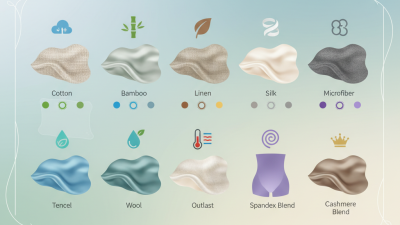
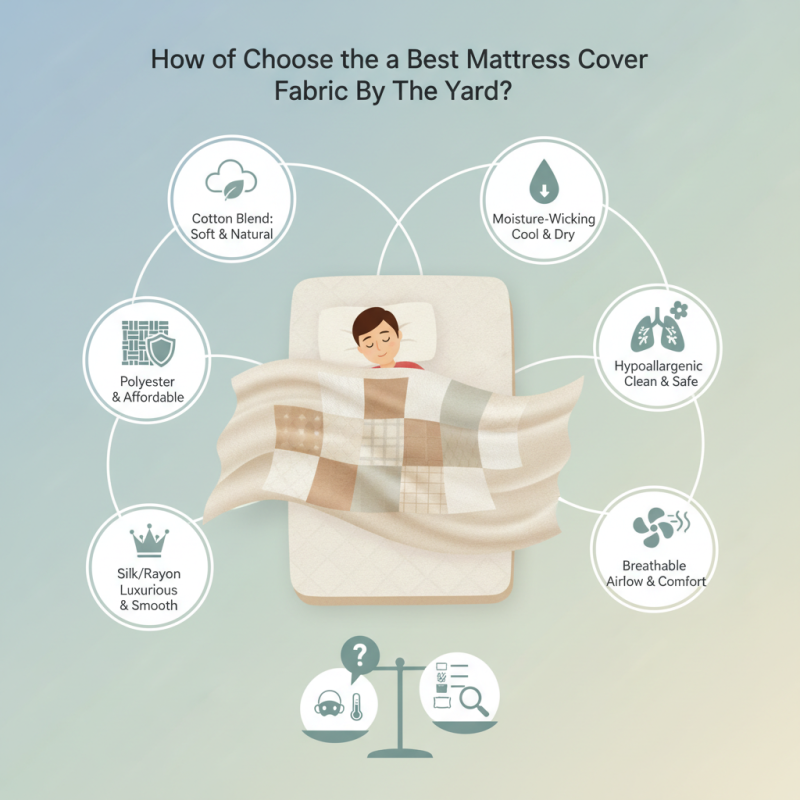
Choosing the right mattress cover fabric is crucial for comfort and durability. There are various types of fabrics available, each with unique benefits.
Cotton is widely celebrated for its breathability and softness. It keeps you cool during the night, making it ideal for warm climates. However, cotton can wrinkle easily and may require regular washing.
Polyester is another common choice. It's durable and resistant to stains. This makes it easier to clean, but it might not offer the same breathability as cotton. Some people prefer a blend of cotton and polyester for a balanced experience. This combination offers the softness of cotton with the durability of polyester.
For those who value eco-friendliness, bamboo fabric is worth considering. It provides excellent moisture-wicking properties and is hypoallergenic. However, bamboo fabrics can be more expensive and may not be as readily available. Each fabric type has its advantages and drawbacks, making it important to carefully consider your priorities. Understanding these options can lead to a more restful night's sleep.
Factors to Consider When Choosing Fabric for Mattress Covers
Choosing the right fabric for a mattress cover is crucial. Various factors influence this decision, making it essential to understand each element. Durability is key—look for fabrics that can withstand regular wear. According to a study by Sleep Foundation, high-quality materials can enhance the lifespan of your mattress, often exceeding 10 years.
Comfort is another important aspect. Many users prefer natural fabrics like cotton or linen, as they offer breathability and moisture-wicking properties. This is particularly relevant for hot sleepers. Synthetic fabrics might be less breathable but are often more resistant to stains and allergens. This trade-off is critical in making your decision.
Tips: Test fabric samples when possible. Feel the texture and observe how it drapes. Consider your specific needs, such as sensitivity to allergens or the environment in which you sleep. It’s also wise to weigh the cost against the expected lifetime of the cover. The right choice could improve your sleep quality and prolong the life of your mattress.
Evaluating Fabric Durability and Maintenance for Mattress Covers
When selecting a mattress cover fabric, durability is a crucial factor. Many experts suggest that
cotton is a popular choice for its breathability and softness. However, reports indicate that
polyester blends may offer better stain resistance and longevity. According to the
Textile Research Journal, a fabric's durability can depend on its weave and fiber type.
For example, fabrics with a tighter weave tend to resist wear better than looser options.
Maintenance is equally important in decision-making. Some fabrics
are machine washable, simplifying care. However, some delicate materials may require dry cleaning, raising costs. The
American Textile Manufacturers Institute notes that fabrics treated with
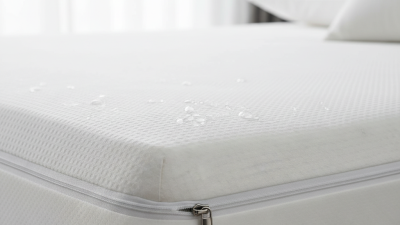
water-repellent finishes can be easier to clean. Yet, these finishes may diminish
over time, requiring regular replacements. This can complicate long-term care.
Finally, consider environmental factors. Certain fabrics can retain heat, affecting sleep quality. Research shows that breathable
fabrics like
linen can regulate temperature better than synthetic options. Balancing
durability and maintenance needs will lead to a more satisfying choice for mattress cover fabrics.
Sustainability in Mattress Cover Fabrics: Eco-Friendly Options
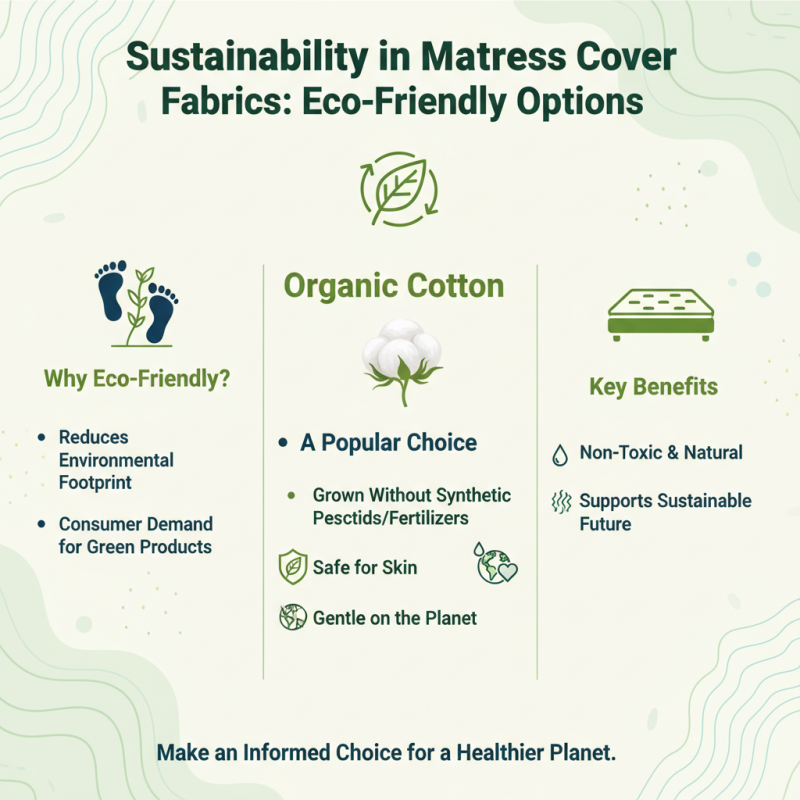
When selecting mattress cover fabrics, sustainability is a key factor. Many consumers seek eco-friendly options to reduce their environmental footprint. Organic cotton stands out as a popular choice. It’s grown without synthetic pesticides or fertilizers. This results in a fabric that is not just safe for the skin, but also gentle on the planet.
Another option is bamboo fabric, which is known for its breathability and softness. Bamboo plants grow quickly and require minimal water, making them a sustainable choice. However, processing bamboo into fabric can sometimes involve chemicals that may not be environmentally friendly. It's essential to research the manufacturing processes. Look for certifications that ensure eco-friendly production.
Recycled materials are also gaining traction. Fabrics made from recycled plastics can help reduce waste in landfills. Yet, the quality and comfort may vary. Not all recycled fabrics are soft or durable. Thus, testing samples before purchasing is crucial. Balancing comfort with sustainability can be challenging. Choosing the right fabric requires thorough consideration, and sometimes compromises are necessary.
Tips for Measuring and Purchasing Fabric by the Yard for Mattress Covers
When measuring for mattress cover fabric, precision is key.
Begin by measuring the mattress dimensions—length, width, and height. Consider adding extra fabric for tucking and seams. Industry data shows that the average mattress height is around 10 to 14 inches. Including an additional 2 to 4 inches can provide sufficient coverage. You may think less fabric is better, but it often leads to a poorly fitting cover.
Choosing the right fabric is crucial.
Look for materials like cotton or polyester blends. According to a report by Sleep Foundation, breathable fabrics help regulate temperature during sleep. They also reduce moisture accumulation. This is vital for those who sweat at night or have allergies. Aim for a fabric with a thread count between 200 and 400 for optimal comfort. However, be prepared for potential challenges with weight and durability.
Consider purchasing fabric in bulk.
Some stores offer discounts on larger quantities, reducing overall costs. Yet, buying too much can lead to waste. Take time to calculate your needs carefully. Don't rush this step. Accurate measurements and thoughtful fabric choices will enhance your sleep experience significantly.