Best Bed Bug Mattress Cover for Ultimate Protection?
Bed bugs are a growing concern for households and hotels alike. According to the National Pest Management Association, bed bug infestations increased by 81% from 2015 to 2020. This alarming rise highlights the need for effective preventative measures. A high-quality Bed Bug Mattress Cover can serve as a crucial line of defense against these pests.
Dr. Emily Schwartz, a noted entomologist, emphasizes the importance of choosing the right cover: “Investing in a Bed Bug Mattress Cover is essential. It not only protects your mattress but also helps prevent the spread of these resilient insects.” Many mattress covers claim to provide protection, yet not all are effective.
The right cover must be tightly woven and impermeable to ensure bed bugs cannot penetrate. Research shows that some cheaper alternatives fail to meet these standards, leaving users vulnerable. It's vital to assess materials and features when selecting a cover. Protecting your mattress is an investment in your comfort and health.
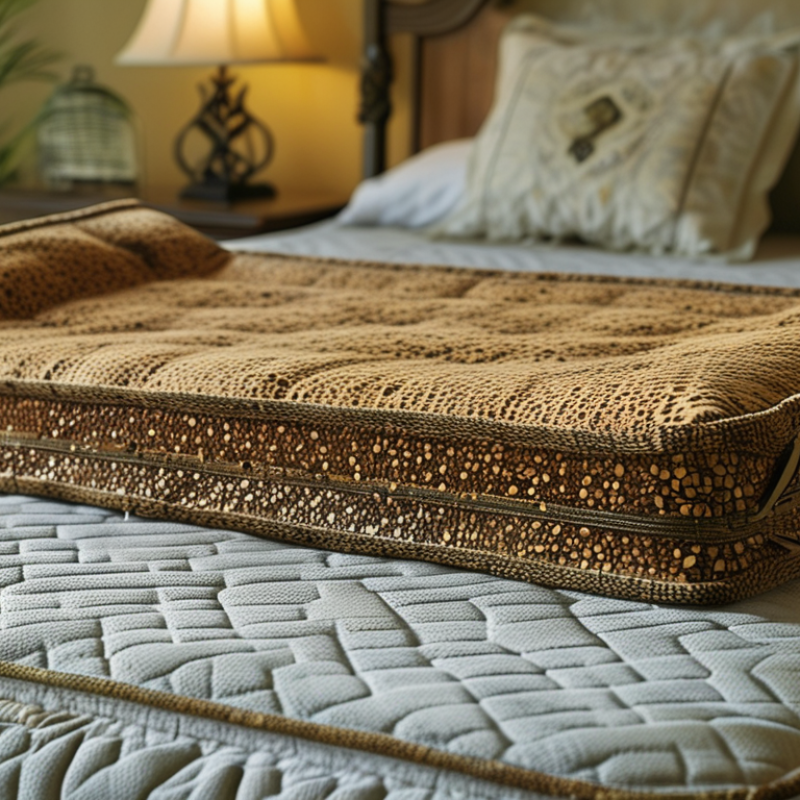
What to Look for in a Bed Bug Mattress Cover
When selecting a bed bug mattress cover, consider both material and design. The cover should be made of impermeable fabrics that prevent bed bugs from penetrating. Many reports indicate that materials like high-quality polyurethane are effective. These not only seal in any existing pests but also prevent new infestations.
Size is another crucial factor. A properly fitting cover ensures maximum protection. Covers that fit tightly prevent gaps where bugs can enter. Research shows that bed bugs can squeeze through tiny openings, so choose a design that offers a snug fit. In tests, tightly woven fabrics have shown to reduce bed bug populations effectively.
Additionally, durability matters. A cover needs to withstand frequent washing without losing its protective qualities. Some materials lose effectiveness after just a few washes. An effective cover should retain its integrity over multiple cleanings. Consumers should be aware that not all covers marketed as “bed bug proof” are equally effective. Thus, seek products with reliable certifications to ensure the utmost protection.
Types of Bed Bug Mattress Covers Available
When searching for bed bug mattress covers, it's crucial to understand the types available. These covers come in various materials and designs. Some are made from tightly woven fabric, while others feature a waterproof layer. Each type offers different levels of protection against bed bugs.
One common type is the encasement cover. It completely surrounds the mattress. This design prevents bed bugs from entering or escaping. Another variant is the zippered cover. It provides a secure fit. However, some consumers report difficulty in choosing the right size. Proper fit is important for effective protection.
Additionally, there are breathable covers. They allow airflow but still block bed bugs. This choice is popular for those worried about heat retention. Yet, some users find these covers less effective at preventing infestations. Exploring multiple options can be overwhelming. Take time to weigh the pros and cons. Each type has its strengths and weaknesses, making informed choices essential.
Best Bed Bug Mattress Cover Types and Their Features
Benefits of Using a Bed Bug Mattress Cover
Bed bug mattress covers offer crucial protection against infestations. These specially designed covers encase your mattress, creating a barrier that prevents bed bugs from entering or escaping. They effectively trap any existing bugs and their eggs inside, which helps to prevent the population from spreading. This means a more peaceful sleep for you and your loved ones.
Using a bed bug mattress cover can also prolong the life of your mattress. High-quality covers are often waterproof and stain-resistant. This dual protection helps maintain the integrity of your mattress, safeguarding it from spills and allergens. However, it's essential to ensure the cover you choose fits snugly and is durable. Small tears or gaps can undermine its effectiveness.
While these covers are beneficial, it's worth considering regular inspections. Just placing a cover on your mattress doesn’t replace the need for vigilance. Annual inspections for signs of bugs remain important. Even the best covers may not work perfectly. You might find it challenging to sleep soundly if you are worried. Staying informed and proactive is key.
How to Properly Install a Bed Bug Mattress Cover
Installing a bed bug mattress cover correctly is essential for maximizing protection against infestations. Start by removing all bedding. Dust and debris can interfere with the seal. This initial step ensures a cleaner installation surface. A study from the National Pest Management Association shows that 97% of pest professionals have encountered bed bugs in the past year. This statistic highlights the urgency of effective preventive measures.
Carefully slip the mattress cover over the entire mattress. Ensure it fits snugly without any gaps. Bed bugs can squeeze through tiny cracks, so any loose areas are potential entry points. After securing the cover, seal zippers properly. Frequent checks for wear and tear will also keep the cover effective. Regular inspections can help catch early signs of pest activity.
Tips: Consider using encasements for box springs as well. They provide additional layers of defense. Always wash your bedding in hot water before putting it back on the mattress. This kills any existing bed bugs lurking in your sheets. Stay vigilant. Regular cleaning and inspection help maintain a bed bug-free environment. A proactive approach makes a difference in your sleep quality.
Care and Maintenance Tips for Mattress Covers
When it comes to caring for your bed bug mattress cover, maintaining its protective qualities is essential. Regular cleaning helps to keep it free from allergens and pests. Wash your mattress cover according to the manufacturer's instructions. Hot water works best, as heat can kill any remaining bugs or eggs. Drying on high heat can also eliminate unwanted guests.
Tips: Check for any stains or wear and tear after each wash. These signs might indicate a need for replacement. Avoid using bleach, as it can damage the fabric. Instead, opt for a mild detergent to preserve the cover's integrity.
Inspecting your mattress cover regularly is crucial. Look for signs of bed bugs, including tiny spots or discoloration. If you find any issues, treat them immediately. Vacuum around your bed frequently to minimize the risk of infestations. Keeping a clean environment supports the lifespan of your mattress cover and ensures a healthy sleep space.
Best Bed Bug Mattress Cover for Ultimate Protection? - Care and Maintenance Tips for Mattress Covers
| Feature |
Description |
Care Tips |
Maintenance Frequency |
| Waterproof |
Prevents liquid damage to the mattress. |
Wipe with a damp cloth for spills. |
As needed. |
| Zippered Enclosure |
Ensures bed bugs can't enter or escape. |
Check zipper for damage regularly. |
Monthly inspection. |
| Hypoallergenic Material |
Reduces allergens and irritants. |
Machine wash regularly. |
Every 2–3 months. |
| Breathable Fabric |
Enhances comfort and temperature regulation. |
Avoid extreme heat when washing. |
Every 4–6 months. |
| Durability |
Long-lasting material withstands wear and tear. |
Follow manufacturer’s care instructions. |
Annually check for wear. |