Best Mattress Protector Options for Your Comfort and Health?
Choosing the right mattress protector is crucial for enhancing your sleep quality. According to Dr. Jane Harrison, a well-known expert in sleep health, "A good mattress protector not only protects your bed but also promotes better rest." This insight emphasizes the importance of selecting a high-quality mattress protector that suits your needs.
Many consumers overlook this essential bedding item. However, the right mattress protector can guard against allergens, spills, and wear. It can also improve overall hygiene in your sleep environment. Some protectors use advanced materials that provide breathability and comfort. This balance between protection and comfort is key for a restful night.
Despite these benefits, not all mattress protectors are created equal. Many options on the market may not live up to their claims. It’s vital to do your research and read reviews before purchasing. A thoughtful choice will lead to improved health and comfort, making sleep more restorative. Remember, investing in a quality mattress protector is an investment in your well-being.
Understanding the Importance of Mattress Protectors for Sleep Health
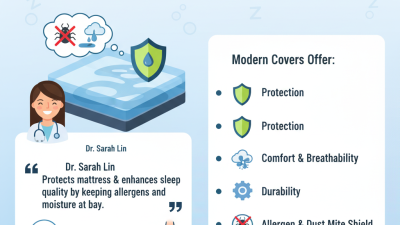
When investing in a good night's sleep, mattress protectors often get overlooked. However, understanding their role is crucial for overall sleep health. A quality mattress protector acts as a barrier against dust mites, allergens, and moisture. This not only extends the life of your mattress but also contributes to a healthier sleeping environment.
Many people underestimate the impact of allergens on their rest. Dust mites thrive in bedding, leading to snoring and breathing issues. A mattress protector can significantly reduce these problems. It’s essential to wash your protector regularly to maintain its effectiveness. Choosing a protector that is breathable will also help regulate temperature. A comfortable sleep surface improves overall rest and recovery.
Moreover, some may feel protectors detract from comfort. However, modern options are designed to enhance the feel of your mattress. It's about finding the right fit for individual needs. Reflecting on the materials and features that matter most can lead to a more restful sleep experience. Prioritizing sleep health is a journey, and mattress protectors play a vital role in that continuous pursuit.
Types of Mattress Protectors: Materials and Features Explained
When selecting a mattress protector, it's essential to understand the various materials available. The most common options are
cotton, polyester, and vinyl.
Cotton protectors offer breathability and comfort. They are often hypoallergenic and suitable for sensitive skin.
Polyester protects against stains and spills but might trap heat during sleep. Vinyl, while waterproof and effective against allergens, can feel less comfortable due to its plastic-like texture.
In a survey conducted by the Sleep Foundation, about 30% of adults reported sleep disturbances due to allergies. A good mattress protector can significantly reduce allergens.
Protectors with organic certifications tend to have fewer harmful chemicals. They are ideal for those concerned about health and the environment.
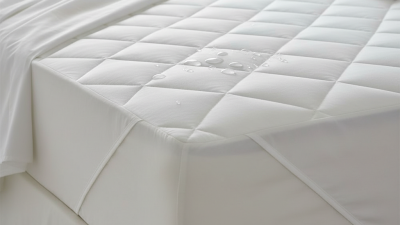
Waterproof features are crucial for preserving mattress quality. They guard against spills and extend mattress lifespan.
The choice of a mattress protector also involves considering features. Some offer cooling technology, which regulates temperature during sleep.
Others come with antimicrobial properties to combat bacteria. Research indicates that these features can improve sleep hygiene.
However, not every protector will fulfill these needs. It's crucial to assess personal preferences and sleeping habits when making a choice.
Testing various options helps identify what truly enhances comfort and health.
Factors to Consider When Choosing a Mattress Protector
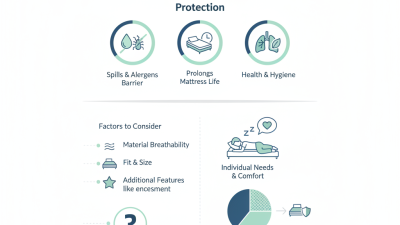
When selecting a mattress protector, several important factors come into play. Comfort should be your top priority. The best protectors balance softness and durability. Additionally, consider breathability. Materials like cotton and bamboo enhance airflow, reducing heat retention. In fact, studies suggest that breathable protectors improve sleep quality by up to 20%.
Health considerations are equally vital. A protector can shield against dust mites, allergens, and bacteria. According to the American Academy of Allergy, Asthma, and Immunology, around 20 million adults in the U.S. are affected by dust mite allergies. Therefore, choosing a waterproof and hypoallergenic option is essential for those with sensitivities. Also, remember to check for certifications. Materials certified by organizations like OEKO-TEX ensure your protector is free from harmful substances.
Durability and maintenance are often overlooked but crucial. A sturdy protector can last several years, providing continuous protection. However, some may lose effectiveness after numerous washes. Aim for a protector that maintains its features over time. Take time to research reviews and reports on longevity. This reflection helps ensure your investment benefits your comfort and health long-term.
Best Mattress Protector Options for Your Comfort and Health
| Feature |
Description |
Comfort Level |
Health Benefits |
| Waterproof |
Blocks spills and moisture, protecting the mattress. |
Medium |
Prevents mold and bacteria growth. |
| Hypoallergenic |
Made with materials that reduce allergens. |
Soft |
Reduces allergy symptoms and respiratory issues. |
| Breathable |
Allows airflow while keeping moisture out. |
Medium |
Helps regulate temperature for better sleep. |
| Noise-Free |
Designed to remain silent during movement. |
High |
Reduces disturbances and improves sleep quality. |
| Easy to Clean |
Machine washable for easy maintenance. |
High |
Promotes a hygienic sleep environment. |
Top Recommendations for Mattress Protectors Based on Comfort
When it comes to choosing a mattress protector, comfort is key. Many options vary in materials and design. A good protector should feel soft yet resilient. Look for materials that wick away moisture. This feature helps keep you dry during the night.
Breathable fabrics can enhance sleep quality. Organic cotton is a popular choice. It's gentle against the skin and provides a cozy feel. Additionally, consider options with a fitted design. This ensures the protector stays in place, preventing discomfort during sleep. Remember, it's essential to find a balance between comfort and functionality.
Some protectors offer waterproof features. But, they might feel less comfortable. Getting the right combination is a bit tricky. You might need to test a few options. Customer feedback can provide insight into real experiences. Don't forget to consider how easy the protector is to clean. A protector shouldn't add stress to your bedtime routine.
Maintenance and Care Tips for Longevity of Mattress Protectors
Maintaining a mattress protector is crucial for both comfort and health. Regular cleaning helps to prevent allergens like dust mites and bacteria. A study from the American Academy of Allergy, Asthma & Immunology shows that nearly 20 million adults suffer from dust mite allergies. Washing your mattress protector every two months can significantly reduce these allergens.
When cleaning, use warm water and a gentle detergent. High temperatures can damage the material. Avoid bleach, as it can degrade the fabric over time. Make sure to read the care label for specific instructions. Many mattress protectors can be tumble-dried on low, which also aids in removing stubborn allergens.
Storage is another vital aspect. Keep the protector in a cool, dry place when not in use. Avoid folding it too tightly, as this can create creases and wear. A study by the Sleep Foundation shows that proper maintenance can extend the life of a mattress protector by several years. By prioritizing care, you enhance both sleep quality and health benefits.