Top Tips for Choosing the Best Mattress Protector for You
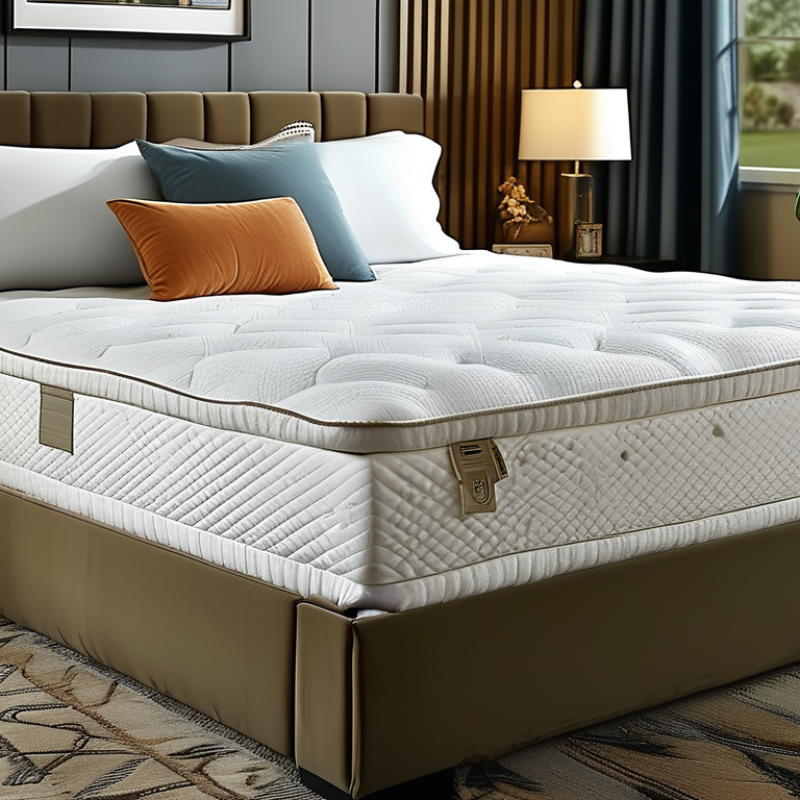
Choosing the right mattress protector is crucial for a good night's sleep. A quality mattress protector can enhance comfort and prolong the life of your mattress. With so many options available, selecting the best one can be overwhelming.
Consider the material and features that match your needs. Some protectors offer waterproof protection, while others focus on breathability. It's important to balance protection with comfort. A heavy, thick protector may offer durability but can compromise your sleeping experience.
Reading customer reviews can provide insights into different products. While many options claim to be the best, real user experiences often reveal hidden flaws. Taking the time to reflect on what you require in a mattress protector will lead to a more satisfying choice. Prioritize features that cater to your specific needs for optimal results.
Understanding the Purpose of a Mattress Protector
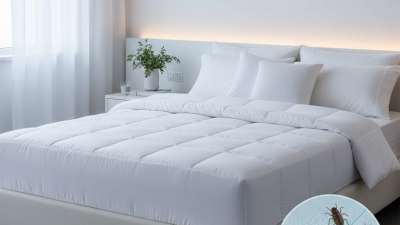
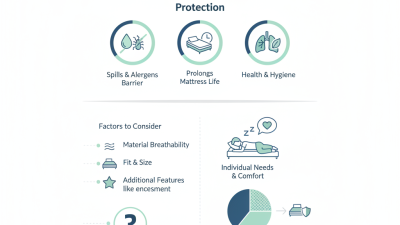
A mattress protector serves essential purposes for enhancing your sleep experience. It acts as a barrier against spills, allergens, and dust mites. According to the Asthma and Allergy Foundation of America, around 20 million adults in the U.S. suffer from hay fever caused by dust mites. A quality mattress protector can significantly reduce exposure to these irritants.
Moreover, many consumers overlook the importance of maintaining their mattress's hygiene. Studies indicate that an unprotected mattress can harbor up to 2 million dust mites, leading to potential health issues. Sleep Foundation reports that a good mattress protector can extend the life of your mattress by preventing stains and wear. This is noteworthy, as mattresses can be expensive investments.
Choosing the right protector means understanding its features. Waterproof materials can keep your mattress dry from accidents. Breathable fabrics improve airflow, yet some may trap heat, causing discomfort. Identifying your needs is crucial. Remember that not all protectors offer the same level of protection and comfort. It may take trial and error to find the perfect fit for your sleep environment. Make informed choices to protect both your health and investment.
Key Features to Look for in a Mattress Protector
Choosing the right mattress protector is crucial for a good night’s sleep. Key features to consider include material type, waterproofing, and breathability. A significant 70% of consumers prefer breathable materials that help regulate temperature. Cotton and bamboo options stand out for their natural properties. They offer comfort while allowing airflow, preventing night sweats.
Waterproofing is essential for durability. A study shows that 80% of spills on mattresses go unnoticed. A protector with a waterproof layer can help safeguard against stains and allergens. Look for options with a lab-tested waterproof claim for added security. Additionally, be aware that some protectors may crinkle and produce noise, which can disrupt sleep.
Lastly, consider fit and ease of cleaning. A well-fitted protector will stay in place, preventing discomfort. Many protectors are machine washable and can endure numerous washes without losing effectiveness. However, not all products maintain their protective qualities after repeated laundry cycles. Choosing a high-quality protector is crucial to avoid the pitfalls of premature deterioration.
Choosing the Right Material for Your Needs
Choosing the right material for your mattress protector can significantly impact your sleep quality. Many options are available, each with unique benefits. Cotton is soft and breathable, making it ideal for hot sleepers. However, it may not be waterproof, which can be a drawback for some.
On the other hand, waterproof protectors often use materials like vinyl or polyurethane. These can safeguard against spills and accidents. Yet, some may find them less breathable, leading to discomfort on warm nights. Finding a balance is essential. Consider your specific needs before making a decision.
Another popular choice is polyester, known for its durability and affordability. It resists wrinkles and is easy to clean. However, it might lack the natural feel of cotton. Think about how these materials align with your lifestyle. Reflect on your sleeping habits, and don’t hesitate to try different types until you find the right one.
Sizing and Fit: Ensuring Compatibility with Your Mattress
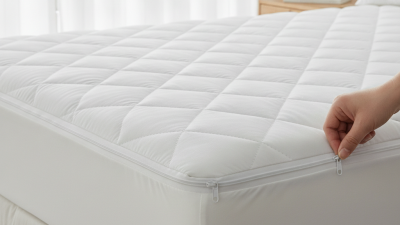
Choosing the right mattress protector requires careful attention to sizing and fit.
An ill-fitting protector can lead to discomfort and reduced protection. Measure your
mattress accurately before shopping. Remember to consider its height as well as
length and width. You may find that your mattress varies slightly from standard
sizes. This is common, so keep your measurements handy when comparing options.
It's essential to check the packaging for sizing details. Many protectors are designed
to fit snugly over mattresses of specific depths. If your mattress is thicker than
average, opt for a deep-pocket design. This ensures a secure fit without slipping
or bunching. Also, consider the elastic edges. They should provide enough stretch
to accommodate your mattress while ensuring it stays in place.
Quality materials are just as important as fit. Breathability matters. A protector
that traps heat can disrupt your sleep quality. You might notice it doesn’t feel
quite right during the night. Reflect on your personal preferences. Do you prefer
something soft or something more resilient? Test a few options if possible. This
can reveal the best match for your comfort and sleep needs.
Care and Maintenance Tips for Mattress Protectors
When it comes to mattress protectors, care and maintenance are crucial for longevity. Regular washing is essential. Most protectors can be machine washed, but always check labels for specific instructions. Use a gentle cycle with cold water to prevent fabric damage. Avoid harsh detergents and bleach, as these can wear down the materials and diminish effectiveness.
Drying can be tricky. Air drying is often best to maintain shape. If using a dryer, select low heat to prevent shrinking. Check periodically for stains or wear. If you notice an issue, address it immediately to avoid bigger problems. A little diligence goes a long way in preserving your investment.
Storage is another key consideration. If you need to store your mattress protector, ensure it’s clean and completely dry. Use a breathable bag to protect it from moisture and pests. It’s not just about protection during use; maintaining it is vital for optimal performance. Small changes in care can lead to significant improvements in durability. Reflect on your practices and adjust as necessary.