China Best Waterproof Cot Mattress Cover Supplier?
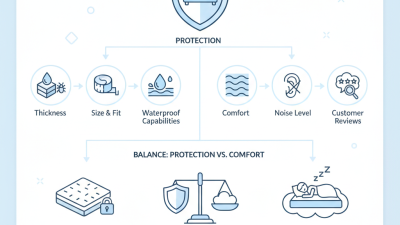
Choosing the right China supplier requires more than comparing prices. A Waterproof Cot Mattress Cover must protect the mattress without trapping excessive heat. It should also fit securely around the cot mattress. Loose corners can bunch beneath a sleeping child. That small detail matters.
Textile-performance expert Dr. Karen Leonas offers a useful principle: “Performance must be tested, not assumed.” This idea should guide every supplier evaluation. Ask for fabric specifications, waterproof testing records, seam-strength results, and sample measurements. A reliable manufacturer should explain its materials clearly. It should not hide behind attractive product photographs.
Look closely at the cover’s construction. A practical sample may include a soft polyester surface, a breathable polyurethane membrane, and reinforced elastic edges. Pour a small amount of water onto the fabric. Check the underside after several minutes. Then wash the cover repeatedly and inspect shrinkage, peeling, and odor. Real use is less forgiving.
Some buyers focus only on waterproof ratings. That can be a mistake. Noise, breathability, softness, and washing performance also affect daily experience. A cover may resist water yet feel hot and stiff. It may look perfect but fail around the corners. I have seen product descriptions sound stronger than the actual samples.
Chinese manufacturers offer broad production capacity and customization options. However, quality varies between factories. Request a complete sample before placing a large order. Confirm packaging, inspection procedures, production lead times, and communication standards. The best Waterproof Cot Mattress Cover supplier combines tested protection with careful, child-focused design. Reliability is demonstrated in the details.
What Is a Waterproof Cot Mattress Cover?
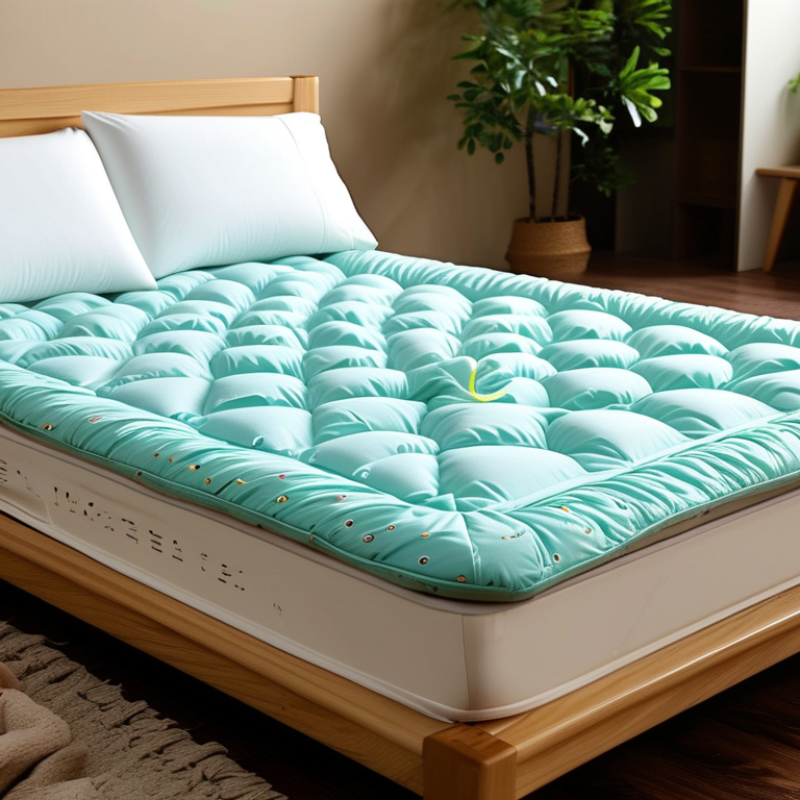
A waterproof cot mattress cover is a fitted protective layer placed over a cot mattress. It helps block urine, milk, sweat, and accidental spills from reaching the mattress core. Most designs combine a soft cotton or polyester surface with a thin TPU or polyurethane barrier. The surface feels dry, while the inner layer limits liquid penetration.
A well-made cover should fit tightly around the mattress edges without loose folds. Elastic corners matter. So does accurate sizing. A cover that slides can create uncomfortable ridges and may reduce safe sleeping space. Check the mattress dimensions before purchasing. The cover should also allow normal airflow around the sleeping surface. Waterproof does not mean completely airtight.
In practical use, I look for quiet fabric, secure stitching, and simple washing instructions. A noisy plastic layer can disturb a light sleeper. Hot washing may remove stains, but repeated high heat can weaken elastic and protective coatings. Follow the care label carefully. I once assumed thicker material meant better protection; it did not. A thinner, well-sealed layer performed more comfortably. Small leaks can still appear around seams or damaged areas. Inspect the cover after washing and replace it when the barrier cracks, the fit loosens, or the surface stays damp. Reliable suppliers should provide material details, measured dimensions, care guidance, and clear testing information instead of vague waterproof claims.
Which Materials and Features Define Reliable Protection?
A reliable waterproof cot mattress cover starts with the right material. Polyester with a TPU laminate offers a soft surface, strong water resistance, and better flexibility than many rigid coatings. TPU also produces less plastic-like noise during movement. A PU-coated fabric can work well, but its coating quality must be checked carefully. Low-grade layers may crack after repeated washing.
Protection depends on construction, not fabric alone. Look for sealed or tightly bonded seams, a deep elastic skirt, and accurate mattress dimensions. The cover should stay fitted when a child turns or pulls at the corners. A breathable top layer can reduce trapped heat, while the waterproof backing blocks urine, milk, and cleaning moisture. It should feel smooth, without a sharp chemical odor.
Ask the supplier for wash-cycle results, hydrostatic pressure data, shrinkage measurements, and material safety reports. Sample testing matters more than attractive catalog claims. Place the cover on a real cot mattress, wash it repeatedly, and inspect the corners afterward. No cover is perfect. We once found a strong fabric with weak elastic, which caused small gaps after washing. That detail was easy to miss. Reliable production also requires consistent cutting, careful stitching, and inspection records for every batch.
How to Evaluate a China-Based Cot Mattress Cover Supplier?
Choosing a China-based cot mattress cover supplier requires more than comparing unit prices. In my sourcing experience, material evidence matters first. Ask for fabric composition, waterproof-layer details, seam construction, and shrinkage results. A reliable supplier should provide recent test reports, production photos, and clear inspection records. Do not accept vague claims like “fully waterproof.” Request samples made with the same materials and process as bulk orders. Test them after repeated washing, not only on a showroom table. Small leaks often appear around elastic edges and stitched corners. This is where a supplier’s practical knowledge becomes visible.
Tips: Compare at least three suppliers using the same checklist. Check response time, sample consistency, minimum order quantity, lead time, packaging, and after-sales handling. Ask who performs quality inspections and when. A factory video helps, but it is not proof. Consider an independent pre-shipment inspection for large orders. Also confirm labeling, measurements, and care instructions before production. Some suppliers communicate well until a problem appears. That possibility deserves attention.
Good evaluation includes risk and human use. Place the cover on several cot sizes and check fit after washing. Feel the surface for noise, heat, and stiffness; infants may react to these details. Ask about odor-control practices and storage conditions. Certifications can support trust, but verify their scope and validity. I would not choose the cheapest offer automatically. Yet a higher price alone does not guarantee better quality. Keep written specifications, approved samples, and correction deadlines. Even careful sourcing can miss something. Regular review remains necessary.
What Quality Standards and Customization Options Are Available?
When choosing a China-based waterproof cot mattress cover supplier, inspect more than photographs. Quality begins with accurate dimensions, even stitching, and a secure fit around the mattress. The cover should resist leaks while allowing reasonable airflow. Ask for fabric composition, coating details, and washing instructions. Independent test reports can verify waterproof performance, colorfastness, material safety, and seam durability. Standards may vary by market, so confirm the documents match your selling region.
Customization should be practical, not decorative. Suppliers may offer custom cot sizes, elastic depths, zipper placements, quilted surfaces, fabric colors, care labels, and retail packaging. Request a pre-production sample with your exact measurements. Test it after repeated washing. Check shrinkage, corner tension, surface noise, and water seepage around stitched areas. A cover that fits well before washing may become loose afterward. That detail is easy to miss.
Tips: Create a written inspection checklist before ordering. Measure the mattress, cover, and elastic recovery separately. Request a small trial order before large production. Review batch records and keep approved samples for comparison. One imperfect sample can reveal a useful problem early. I would also avoid promising “fully waterproof” without defining the test method. Clear specifications make supplier communication more reliable and reduce costly assumptions.