How to Choose Mattress Protector Fabric By The Metre?
Choosing the right Mattress Protector Fabric By The Metre can significantly affect your sleep quality. According to Dr. Emma Carter, a leading textile expert, “The right fabric can enhance comfort and protect your investment.” Selecting a suitable material involves considering factors like breathability, durability, and ease of cleaning.
For instance, materials such as cotton provide excellent breathability but may wear out faster than synthetic options. On the other hand, polyester blends offer more durability but may trap heat. It is crucial to evaluate your needs before making a choice. Not every fabric will meet your personal requirements. Testing samples can help you better understand the material's feel and performance.
You may encounter various claims in the market. Some fabrics may be marketed as waterproof, yet ineffective in real conditions. Researching reputable brands and expert reviews helps build confidence in your decision. Remember, not all Mattress Protector Fabric By The Metre is created equal. Your assessment should balance functionality and comfort to ensure a restful night's sleep.
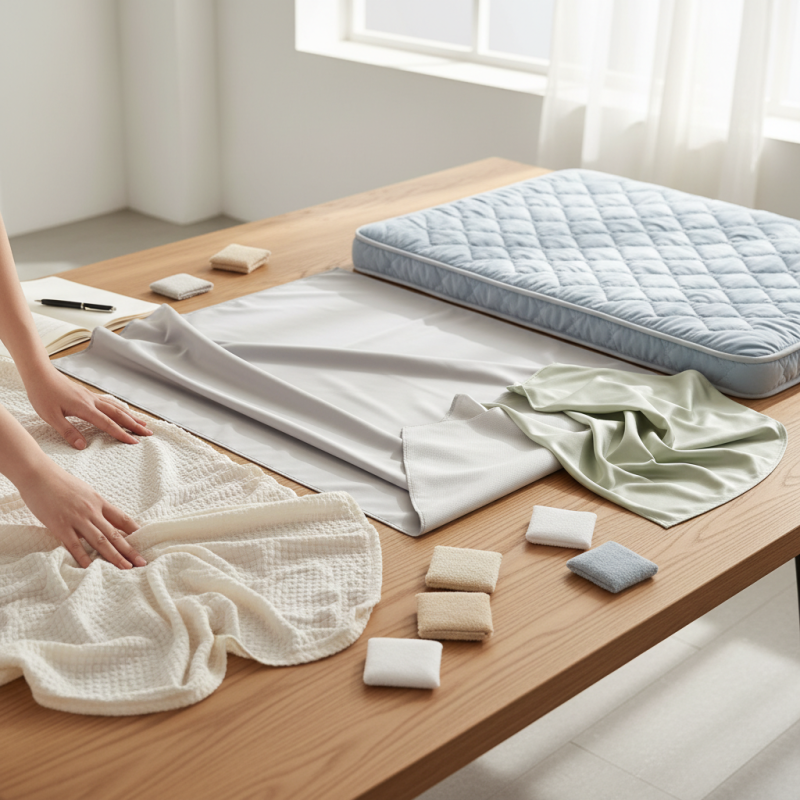
Understanding Mattress Protector Fabrics and Their Functions
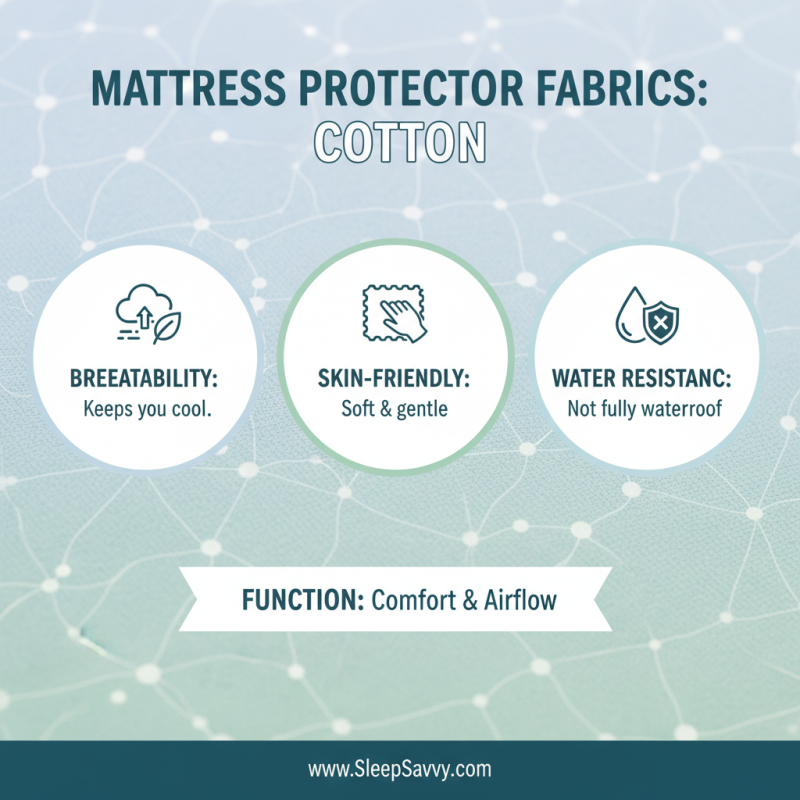
When selecting mattress protector fabric by the metre, it’s essential to grasp their features and roles. Cotton is popular for its breathability. It keeps you cool at night. This fabric is gentle on the skin. Yet, it may not be entirely waterproof.
Polyester offers durability and resistance to stains. It’s easy to maintain but can trap heat. Consider blends for a balance of comfort and practicality. They combine the best qualities of multiple fabrics. This provides flexibility for different sleeping preferences.
Another notable option is bamboo fabric. It is eco-friendly and hypoallergenic. Bamboo protectors allow for good airflow, making them great for warm climates. However, they can be pricier than other options. Testing various fabrics can lead to better choices. Each sleeper has unique needs, and preferences vary. Be mindful that not every fabric will suit everyone, so reflecting on your personal comfort is key.
Key Factors to Consider When Selecting Fabric by the Metre
Choosing the right fabric for a mattress protector can be challenging. Several key factors come into play. Start with the fabric type. Options like cotton, polyester, and bamboo each have unique benefits. Cotton is breathable, while polyester is often more durable. Bamboo, known for its eco-friendliness, offers natural moisture-wicking properties. Consider what matters most to you—comfort or sustainability.
Next, think about the fabric’s thickness. A thicker fabric may provide better protection but could feel less comfortable. Balancing protection and comfort is essential. Also, reflect on allergies. Hypoallergenic fabrics can help reduce allergens, benefiting those with sensitivities. Don't forget about the care requirements. Some fabrics are machine washable while others may need special treatment.
Lastly, evaluate your personal style. Choose colors and patterns that enhance your bedroom décor. It’s okay to struggle with choices. Take your time. Your mattress protector should reflect your preferences while meeting practical needs. A well-informed decision leads to better sleep quality, so weigh all factors carefully.
Comparing Material Types: Cotton, Polyester, and Bamboo
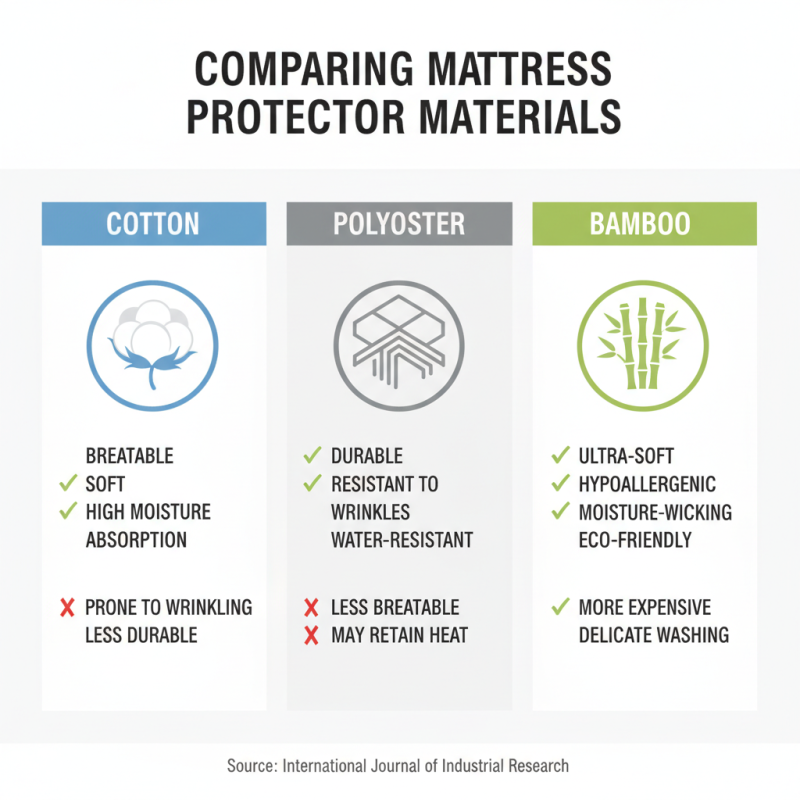
When selecting mattress protector fabric, it’s essential to consider the benefits and drawbacks of different materials. Cotton, for instance, is widely appreciated for its breathability and softness. According to a study by the International Journal of Industrial Research, cotton has a high moisture absorption rate, which can enhance comfort during sleep. However, it is prone to wrinkling and may not offer as much durability as synthetic options.
Polyester is another popular choice. It is often more resistant to stains and wear compared to cotton. The National Sleep Foundation suggests that polyester mattress protectors can be effective in repelling moisture and allergens. Yet, they may not provide the same breathability, which could impact sleep quality. This material can sometimes trap heat, making it uncomfortable for hot sleepers.
Bamboo fabric has gained attention for its eco-friendliness and hypoallergenic properties. Research published in the Journal of Textile Science reveals that bamboo can reduce skin irritations and is naturally moisture-wicking. However, it can be pricier and may require special care to maintain its longevity. Each material has its strengths and weaknesses. It’s crucial to reflect on your personal preferences, sleep habits, and environmental concerns when choosing a mattress protector fabric.
Evaluating Durability and Maintenance of Mattress Protector Fabrics
Choosing the right mattress protector fabric requires careful consideration of durability and maintenance. Fabric type significantly impacts how well the protector withstands wear over time. According to a 2022 report by the Sleep Foundation, cotton and polyester blends provide a good balance between comfort and durability. Cotton is soft and breathable, while polyester offers resilience against tears and stains.
Maintenance is another critical factor. Fabrics that are machine washable tend to be more convenient for consumers. The same Sleep Foundation report indicates that protectors made with moisture-wicking fabrics help prevent mold and mildew, prolonging their lifespan. However, many consumers overlook the importance of regular washing, which can lead to a build-up of allergens. The optimal washing routine includes using gentle cycles and avoiding harsh detergents that can degrade fabric over time.
Some fabrics may appear durable yet fall short under specific conditions. For instance, a waterproof barrier might be effective against spills but can trap heat. This feature may not suit everyone's preferences. An understanding of these nuances can significantly impact your mattress protector choice, ensuring both comfort and longevity. Balancing protective qualities with ease of care is key but often challenging.
How to Choose Mattress Protector Fabric By The Metre? - Evaluating Durability and Maintenance of Mattress Protector Fabrics
| Fabric Type |
Durability (Rating) |
Maintenance Level (1-5) |
Breathability |
Waterproofing |
| Cotton |
8/10 |
3 |
High |
No |
| Polyester |
7/10 |
2 |
Medium |
Yes |
| Tencel |
9/10 |
4 |
Very High |
No |
| Vinyl |
6/10 |
1 |
Low |
Yes |
| Bamboo |
8/10 |
3 |
High |
No |
Choosing the Right Thickness and Weave for Your Needs
When selecting a mattress protector fabric, thickness and weave are pivotal. The thickness determines the level of comfort and protection. Thicker fabrics often provide better durability. They can resist wear and tear over time. However, a too-thick protector may feel bulky. It's essential to balance comfort with protection needs.
The weave type plays a significant role in breathability. A tight weave can trap heat, making sleep uncomfortable. Conversely, a loose weave promotes airflow but may allow liquids to seep through. Examine the materials often used in mattress protectors. Cotton blends are breathable yet durable. Synthetic fabrics offer water resistance but can feel less cozy.
Think about your sleeping habits. Do you often spill or sweat? A thicker protector may serve you best. For those who prioritize cooling, a lighter, breathable fabric is ideal. Remember, compromises are a part of the process. Finding the right fit isn’t always straightforward. It requires time and careful consideration.