How to Choose Waterproof Fabric for Bedding That Lasts?
Choosing the right waterproof fabric for bedding is a crucial task. Many consumers lack the essential knowledge to make informed decisions. According to industry expert Dr. Emily Carter, “Quality waterproof fabric can enhance longevity and comfort in bedding.” This highlights the importance of not just any fabric, but specifically high-quality options that truly withstand time and use.
When selecting waterproof fabric for bedding, consider the fabric’s breathability and durability. Many parents or pet owners may think any waterproof option will suffice, but the reality can be different. Fabrics need to balance protection and comfort. A fabric that feels good may not always offer the necessary water resistance.
Investing in quality waterproof fabric for bedding pays off. This ensures the bedding remains fresh and functional. However, mixing aesthetics with practicality remains challenging. Not all waterproof choices are stylish. Reflecting on these considerations can significantly improve your bedding selections. Scrutinizing the details of fabric will lead to wiser choices in the long run.
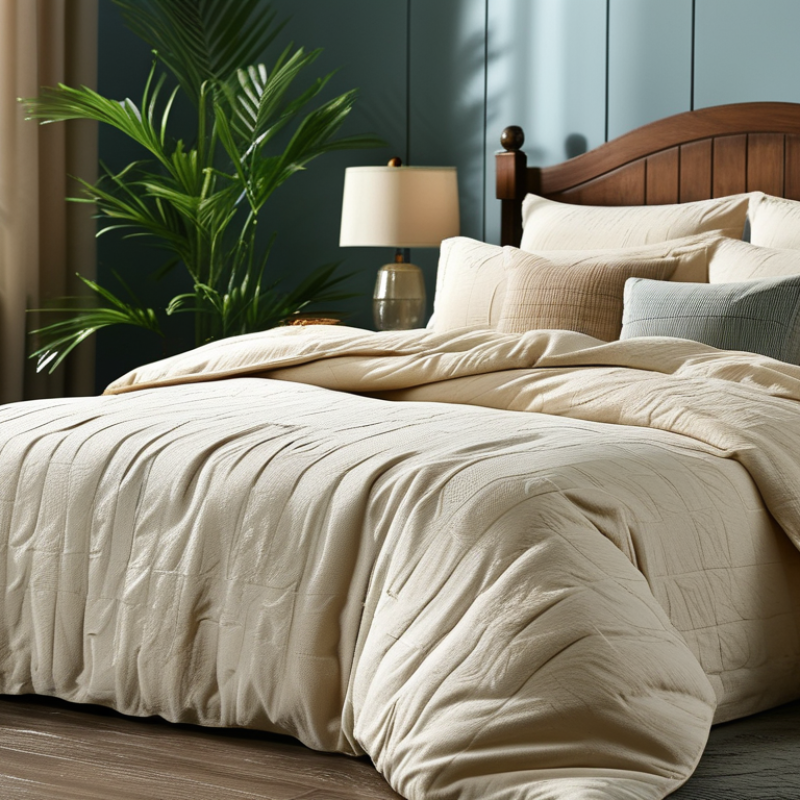
Understanding the Basics of Waterproof Fabrics for Bedding
When selecting waterproof fabric for bedding, understanding its properties is essential. Waterproof fabrics are designed to repel moisture. This feature is useful for protecting your mattress and pillows from spills and accidents. However, not all waterproof materials are equal. Some fabrics feel stiff and uncomfortable against the skin. Others may lack breathability, leading to an uncomfortably warm sleeping environment.
Common materials include polyurethane laminates and PVC. These provide effective protection but can have varying levels of comfort. Look for fabrics that balance waterproofing and softness. You might also consider durability. Over time, some fabrics can wear down, reducing their effectiveness. Take time to read reviews and check fabric care guidelines. This helps to understand how long the material can last under regular use.
Be mindful of your specific needs. If you have allergies, hypoallergenic options are available. Remember, comfort is personal. What works for one person may not work for another. It's crucial to test fabrics when possible before making a choice. Keep an open mind about imperfections in the fabric. An ideal option might not exist. A blend of comfort and functionality is often the best solution.
Types of Waterproof Fabrics and Their Durability Ratings
When selecting waterproof fabric for bedding, understanding the types available and their durability ratings is crucial. Common types include polyurethane laminated fabrics and breathable membranes. According to the FabricLink Network, polyurethane fabrics are rated highly for durability, often lasting 7 to 10 years. However, they can show signs of wear sooner if not properly maintained. In contrast, breathable membranes can offer excellent waterproofing while maintaining airflow. Their lifespan averages around 5 to 8 years and is ideal for those seeking comfort alongside practicality.
For parents and pet owners, durability is paramount. Fabrics treated with water-repellent finishes can be handy, but these treatments may wear off. Reports suggest that most finishes tend to lose effectiveness after multiple washes. So, regular maintenance is essential to preserve their waterproof qualities.
Tip: Always check the care label for washing instructions. Washing in cold water can help retain fabric treatments longer. Additionally, consider using fabric softeners with caution, as they may reduce the waterproof rating. Investing in higher-quality fabrics can also yield better longevity and overall satisfaction. In many cases, the extra cost pays off in durability and function.
Waterproof Fabric Durability Ratings for Bedding
Moisture Protection: Comparing Waterproof vs. Water-Resistant Fabrics
When choosing waterproof fabric for bedding, understanding the difference between waterproof and water-resistant fabrics is crucial. Waterproof fabrics completely prevent moisture from penetrating. They are ideal for environments prone to spills and accidents. In contrast, water-resistant fabrics allow some degree of moisture transpiration. They repel water but may not withstand heavy exposure.
A report from the Textile Research Journal indicates that waterproof materials often feature a polyurethane or PVC coating. This coating enhances durability and effectiveness. However, the breathability of such fabrics can be a concern. Over time, these materials may develop a plastic-like feel. Water-resistant options, while less protective, often offer greater comfort. This trade-off between protection and comfort needs careful consideration when selecting bedding.
Moisture management is key for maintaining a healthy sleeping environment. Studies have shown that consumers increasingly prefer fabrics that balance comfort with functionality. The choice ultimately depends on individual needs and usage scenarios. It's essential to assess personal requirements carefully. Engaging in the latest reviews or forums can provide insights into real-world performance of various fabrics.
Factors Affecting the Longevity of Waterproof Bedding Materials
When selecting waterproof fabric for bedding, various factors influence its longevity. One key aspect is the weave density. Fabrics with tighter weaves tend to resist moisture better. Look for materials that feel solid and durable. A high-quality waterproof layer enhances protection against spills and stains. However, not all fabrics maintain their waterproof nature over time.
Another important factor is the care instructions. Regular washing can wear down the waterproof coating if done improperly. Follow the manufacturer’s recommendations closely for cleaning. Additionally, check if the fabric is resistant to wear and abrasion. Some materials might feel soft but can quickly degrade under frequent use.
Environmental elements can also play a role. Excessive exposure to sunlight can break down some waterproof layers. Fading happens faster in lighter colors, so consider darker shades for longevity. These factors create a complex decision when choosing waterproof bedding.
Balancing comfort, durability, and maintenance needs might feel overwhelming. Yet, taking time to research can lead to better outcomes.
Maintenance Tips for Extending the Life of Waterproof Bedding
Maintaining waterproof bedding is essential for longevity. These fabrics often feature a breathable barrier. This ensures comfort, yet they require care.
Improper maintenance can lead to deterioration, compromising their waterproof qualities.
Regular cleaning is vital. Most experts recommend washing at least once a month. Use gentle detergents to avoid damaging the fabric.
High temperatures can weaken the waterproof layer. Opt for cooler washing settings instead. Industry studies show that fabrics washed at 30°C maintain their integrity longer than those washed at higher temperatures.
Avoid harsh chemicals. Many people think that strong cleaners can enhance performance. However, this can weaken the protective layer.
Routine checks for small tears are smart. Addressing these can prevent larger issues later.
Ten to fifteen minutes of inspection every month can save costs in the long run. With proper care, waterproof bedding can last significantly longer, sometimes up to five years, compared to just two with neglect.