How to Choose the Right Dust Mite Mattress Cover for Allergy Relief?
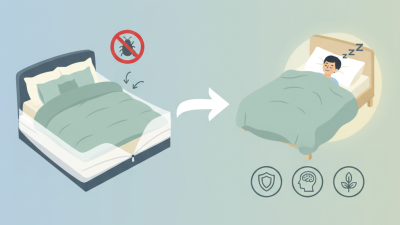
Dust mites are a common trigger for allergies, affecting millions globally. According to the Asthma and Allergy Foundation of America, approximately 20 million adults in the U.S. suffer from dust mite allergies. Choosing the right Dust Mite Mattress Cover can significantly reduce exposure and improve sleep quality. Expert Dr. Linda Cheng states, "A high-quality mattress cover is essential for anyone battling dust mite allergies."
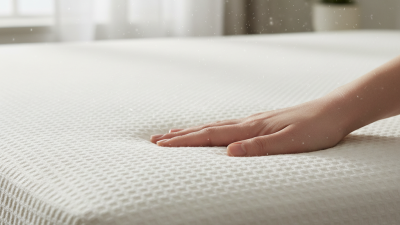
When selecting a Dust Mite Mattress Cover, consider materials and construction. Look for covers made from tightly woven fabrics. They act as a barrier against allergens. The cover should be hypoallergenic and machine washable for easy maintenance. Many consumers overlook the importance of proper fit. A well-fitted cover will perform better than a loose one, ensuring maximum protection.
The market has many options, but not all are effective. Some products claim to be allergen-proof but may fall short in real-world conditions. Research suggests that effective Dust Mite Mattress Covers can reduce allergen levels by up to 90%. When purchasing, prioritize quality and research customer reviews. This ensures you make an informed choice rather than a hasty one.
Understanding Dust Mites and their Impact on Allergies
Dust mites are microscopic creatures often found in our homes. They thrive in bedding, carpets, and upholstered furniture. These tiny pests feed on dead skin cells and have a significant impact on indoor allergies. When people with allergies breathe in dust mite droppings, they experience symptoms such as sneezing, runny noses, and itchy eyes. Understanding these triggers is vital for allergy management.
In many cases, the right mattress cover can protect against dust mites. It's essential to choose covers that are specifically designed to be dust mite-proof. High-quality materials create a barrier, preventing mites from penetrating the mattress. However, not all covers offer the same level of protection. Some may claim to be effective but lack the necessary seal. This can leave individuals vulnerable to allergens. Assessing the fabric's breathability is just as crucial. Covers must allow airflow to avoid trapping heat and moisture, fostering a comfortable sleeping environment.
Regular cleaning and maintenance of mattress covers contribute to long-term relief. Washing them in hot water can eliminate dust mites and their allergens. Yet, many forget this crucial step and may wonder why symptoms persist. Reflecting on personal habits can guide better allergy management. Making informed choices about mattress covers and maintenance practices leads to healthier sleep.
Identifying Key Features of Effective Mattress Covers
When choosing a dust mite mattress cover, certain key features can greatly impact allergy relief. One critical aspect is the fabric material. Covers made from tightly woven fabrics serve as barriers against allergens. Look for materials specifically labeled as hypoallergenic, as they minimize the risk of triggering allergic reactions. Softness also matters. A comfortable cover encourages better sleep, which is essential for overall well-being.
Another important feature to consider is the pore size of the cover. Smaller pores effectively block dust mites and their waste products. Covers should ideally have a pore size of less than 10 microns for maximum protection. Additionally, ease of care is vital. Choose covers that are machine washable and durable, as frequent cleaning is necessary to maintain their effectiveness. Some covers may lose their barrier properties over time. Regular checks can prevent this, ensuring lasting relief.
Lastly, consider the fit of the mattress cover. A snug fit prevents allergens from escaping. Covers should fully encase the mattress, including the zipper enclosure. This detail often gets overlooked, yet it is crucial for optimal protection. Sleep quality can be affected if covers are not properly fitted, leading to discomfort or allergy flare-ups.
How to Choose the Right Dust Mite Mattress Cover for Allergy Relief? - Identifying Key Features of Effective Mattress Covers
| Feature |
Description |
Importance for Allergy Relief |
| Material |
Usually made of tightly woven fabric |
Prevents allergens from penetrating the mattress |
| Waterproofing |
Some covers are waterproof to protect against spills and stains |
Helps maintain hygiene and prevents mold growth |
| Breathability |
Allows air to circulate while blocking dust mites |
Ensures comfort during sleep |
| Easy Cleaning |
Machine washable or can be wiped down |
Facilitates regular maintenance and reduces allergen accumulation |
| Allergen Proof |
Specifically designed to block dust mites and allergens |
Crucial for effective allergy relief |
| Zipper Quality |
High-quality zippers to ensure full enclosure |
Prevents mites and allergens from escaping |
Choosing the Right Materials for Dust Mite Protection
Choosing the right materials for dust mite protection is crucial for allergy sufferers. Dust mites thrive in warm, humid environments, often found in bedding. Therefore, selecting a mattress cover made from tightly woven fabrics can significantly reduce your exposure to these allergens. Look for options that offer high thread counts, as these help prevent dust mites from penetrating the fabric. Cotton and microfiber are popular choices due to their durability and allergy-friendly properties.
Breathability is another important factor. While a cover needs to be effective, it should also allow for airflow. A cover that traps heat can create a perfect breeding ground for mites. Consider materials treated with anti-microbial solutions, which can provide extra protection. These solutions can minimize not just dust mite presence but also other allergens such as mold and mildew.
It’s essential to check for certifications. Some covers come with labels ensuring they meet specific health standards. However, not every cover will have these certifications. This area can feel confusing. Always research and read reviews, even if they may not always align with the product's claims. Ultimately, a combination of the right materials and proper maintenance will help keep dust mites at bay, ensuring better sleep and health outcomes.
Sizing and Fit Considerations for Mattress Covers
When selecting a dust mite mattress cover, sizing and fit are crucial for effective allergy relief. A cover that doesn’t fit properly may allow allergens to escape, defeating its purpose.
According to a study published in the Journal of Allergy and Clinical Immunology, mattress encasements must be snug to prevent dust mites from penetrating. A loose cover can create gaps, exposing individuals to allergens.
Measuring your mattress accurately is essential. Most standard mattresses come in twin, full, queen, and king sizes, but variations exist. It is vital to check the depth of the mattress as well. A cover designed for a 10-inch mattress will not fit a 14-inch mattress effectively. A poorly fitting cover can also crinkle or bunch up, causing discomfort during sleep.
Many people overlook the zipper quality as well. Zippers should close tightly to avoid gaps. An encasement should also provide a breathable material for comfort. A report from the American Academy of Allergy, Asthma, and Immunology indicates that covers with breathable fabrics can enhance sleep quality while allergen protection remains intact. Choosing a well-sized, high-quality cover can significantly improve allergy sufferers’ quality of life. Consider your specific needs and seek expert recommendations when possible.
Maintenance and Care for Dust Mite Covers to Ensure Efficacy
Proper maintenance of dust mite mattress covers is crucial for maximizing allergy relief. Regular washing is essential. Clean the covers in hot water, preferably above 130°F, to eliminate dust mites. Do not overlook the drying process; ensure they are thoroughly dried on high heat to kill any lingering allergens.
Tips: Wash your covers every two to four weeks. This helps to keep allergens at bay. If your cover is not washable, consider vacuuming it regularly.
Storage also matters. When not in use, keep your mattress covers in a dry, sealed bag to prevent dust accumulation. Over time, even the best covers can wear out. Inspect for any damages or tears that could allow allergens to enter.
Be aware that some materials breathe better than others. They can impact your comfort and the cover's effectiveness. Regularly evaluate your sleep experience for any changes in allergies. Adjust your care routine accordingly to maintain optimal protection.