2026 How to Choose Bed Bug Mattress Encasement for Protection?
Choosing a bed bug mattress encasement is crucial for protecting your health and comfort. Bed bugs are notorious pests that can disrupt your sleep and cause distress. Selecting the right encasement can help manage this issue effectively.
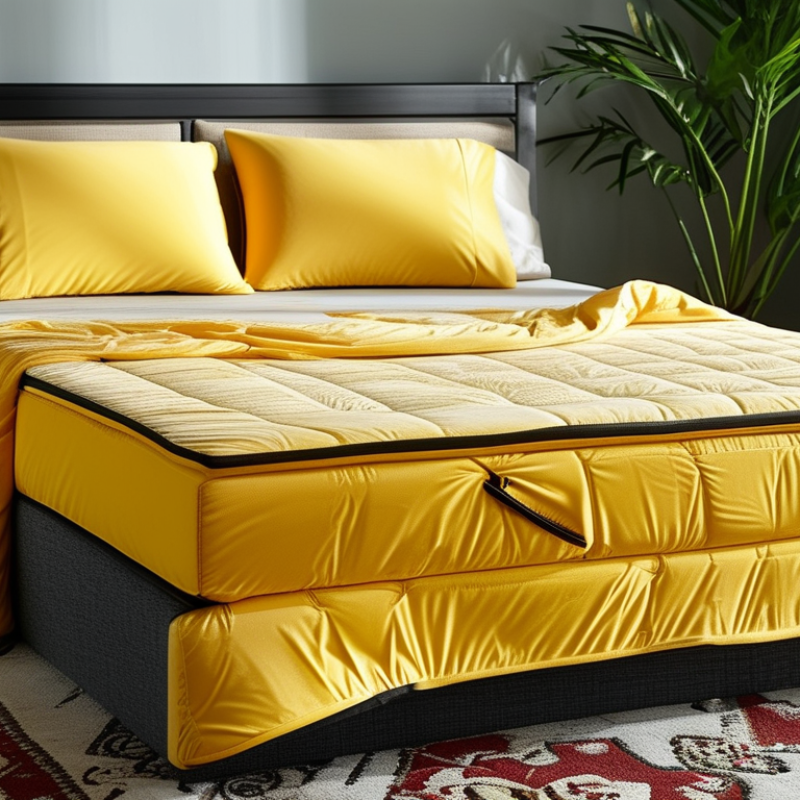
A reliable bed bug mattress encasement creates a barrier, preventing bugs from entering or escaping. Look for materials that are durable and specifically designed for this purpose. The right fit is essential. An encasement that is too loose may allow bed bugs to sneak in. On the other hand, one that is too tight may tear easily.
Consider the warranty and customer reviews when making your decision. Brands that offer a good warranty often show confidence in their products. However, customer experiences can vary. Researching can help clear up potential doubts. Pay attention to features like waterproofing and breathability. These can add to your overall comfort while keeping pests at bay.
Understanding Bed Bugs and Their Threats to Mattresses
Bed bugs pose a significant threat to mattresses, leading to sleepless nights and discomfort. These tiny, nocturnal insects feed on human blood. They are masterful hitchhikers, easily making their way into homes through luggage, clothing, or used furniture. Once they infiltrate a mattress, they can multiply rapidly, creating a serious infestation that is tough to control.
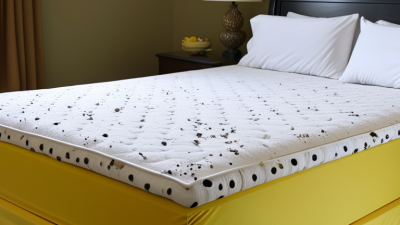
Understanding the nature of bed bugs is key to prevention. They are small, usually brown, and can hide in seams of mattresses or bedding. Their bites can cause irritation and allergic reactions for some individuals. Regular inspections are crucial. It is important to check for dark fecal spots and shed skins. Even a few visible bugs can indicate a larger problem.
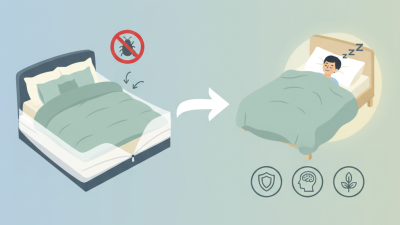
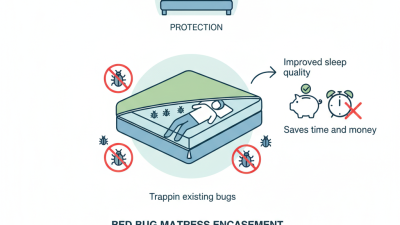
A bed bug mattress encasement serves as a protective barrier. It traps existing bugs inside and prevents new ones from entering. However, not all encasements are equally effective. Homeowners should choose products specifically designed for bed bug protection. Look for materials that are durable and tightly woven. Regular upkeep is essential. After installation, monitoring the encasement and the surrounding area will help maintain a bug-free environment.
Key Features to Look for in Bed Bug Mattress Encasements
When choosing a bed bug mattress encasement, several key features stand out. Look for encasements that are made from high-quality materials. These materials should be durable and resistant to wear and tear. A thick fabric can prevent bed bugs from piercing through. It's important to ensure that the materials used are breathable yet waterproof. This balance keeps the mattress comfortable while protecting it from spills and allergens.
Another critical feature is the zipper quality. The zipper should be high-quality, with a tight latch that prevents bed bugs from escaping. Consider encasements with a lock or double zipper system. These designs add extra layers of protection. Additionally, some encasements have seams that are heat-sealed or welded, which can further reduce the likelihood of bed bugs penetrating through.
Finally, check for an easy-to-clean design. Machine-washable encasements are practical for ongoing maintenance. Regular washing can help eliminate potential infestations. While no solution is foolproof, mindful consideration of these features will enhance your protection against those unwanted pests. Remember, investing time in research can sometimes lead to better choices. Each sleeping environment is unique, requiring an approach tailored to your specific needs.
Materials Used in Bed Bug Mattress Encasements: Pros and Cons
Choosing the right mattress encasement is crucial for effective bed bug protection. Understanding the materials used can help you decide what suits your needs. Common materials include polyester, vinyl, and cotton blends. Each has its pros and cons.
Polyester is popular due to its durability. It’s resistant to tears and can withstand daily use. However, it may retain heat, making it uncomfortable for some sleepers. Vinyl is also effective in keeping bed bugs out. It's waterproof and easy to clean. On the downside, vinyl can be noisy and less breathable. Cotton blends offer comfort and breathability, but they may not be as effective in preventing bed bugs.
When choosing a mattress encasement, consider how you sleep. If you get hot at night, a breathable fabric is essential. If you have allergies or asthma, hypoallergenic materials might be beneficial. Remember to check for a tight fit and sturdy zippers.
Regularly inspect your encasement for any signs of wear. Replace it if you notice any damage. Proper care and maintenance extend the lifespan of your encasement and enhance its protective features.
2026 How to Choose Bed Bug Mattress Encasement for Protection? - Materials Used in Bed Bug Mattress Encasements: Pros and Cons
| Material |
Pros |
Cons |
Price Range |
| Polyester |
Durable, water-resistant, easy to clean |
Not breathable, can retain heat |
$20 - $40 |
| Vinyl |
100% bed bug-proof, waterproof |
No breathability, can be noisy |
$30 - $60 |
| Cotton |
Breathable, comfortable, eco-friendly |
Less effective against bed bugs, may not be waterproof |
$25 - $50 |
| Polypropylene |
Lightweight, affordable, durable |
Can be less comfortable than cotton |
$15 - $35 |
| Nylon |
Strong, resists wear and tear |
Can be costly, may be less breathable |
$40 - $80 |
How to Properly Install and Maintain a Mattress Encasement
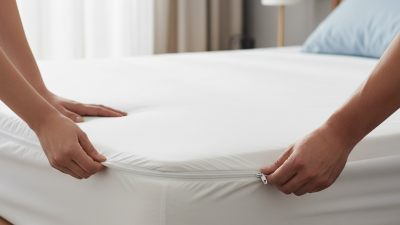
To properly install a mattress encasement, first choose a size that fits your mattress snugly. Look for encasements labeled “bed bug proof” as they meet specific standards in the industry. Reports indicate that nearly 20% of Americans have encountered bed bugs, highlighting the need for effective protection. A well-fitted encasement should cover all sides of the mattress, creating a barrier against pests.
When applying the encasement, make sure the zipper runs along the bottom. This positioning minimizes the chances of bugs finding their way in. After installing, check for any visible gaps. A recent study shows that about 80% of bed bug infestations originate from used furniture. Regular inspections of your mattress encasement can help catch issues early.
It’s crucial to maintain the encasement by washing it regularly. Use hot water to kill any unwanted pests effectively. Studies suggest that frequent cleaning—at least once a month—can significantly reduce the chances of infestations. Be aware that wear and tear can affect the integrity of an encasement over time. Regular checks for damage and immediate replacement if needed will ensure ongoing protection.
2026 Bed Bug Mattress Encasement Comparison
Signs That Indicate Your Mattress Encasing Needs Replacement
When it comes to mattress encasements, awareness of their condition is vital for effective bed bug prevention. One significant sign that indicates your mattress encasing requires replacement is noticeable wear and tear. Small rips or frays can provide entry points for bed bugs. If you spot any damage, it's time for a change. Similarly, persistent stains can hint at moisture retention or other issues. A stained encasement may harbor pathogens or attract pests.
Another indicator is the encasement's odor. A musty smell often suggests mold or mildew, which could negatively impact your sleep environment. Regularly checking for this is essential. Furthermore, if you notice increased pest activity in your home, your mattress encasing may no longer be effective. Even a slight uptick in bites could signal that your protection is compromised. Your comfort and safety depend on maintaining a reliable defense against these unwelcome intruders.